Ancient high priests tomb discovered in Cajamarca,Peru

2,700-Year-Old Tomb Discovered in Cajamarca

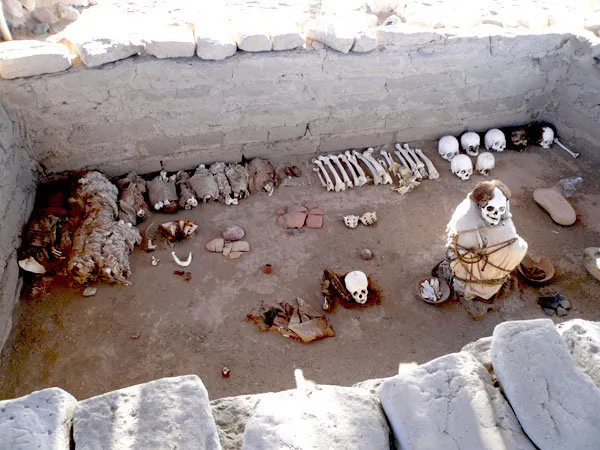
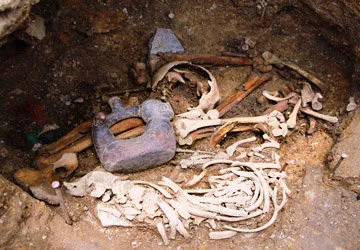
Last week, a Japanese-Peruvian archaeological team discovered a tomb in Chota, Cajamarca in northern Peru which dates back 2,700 years. The tomb is completely intact, which mean that no one has laid eyes or hand on it since the bodies and the artifacts accompanying them were first laid into the ground.

Ancient high priests tomb discovered in Cajamarca,Peru

Last week, a Japanese-Peruvian archaeological team discovered a tomb in Chota, Cajamarca in northern Peru which dates back 2,700 years. The tomb is completely intact, which mean that no one has laid eyes or hand on it since the bodies and the artifacts accompanying them were first laid into the ground. Although tombs and ruins are discovered in Peru with frequency, one which has never been sacked by treasure-hunters or grave-robbers is a special find.

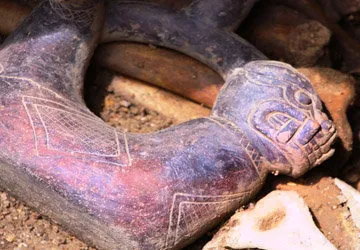
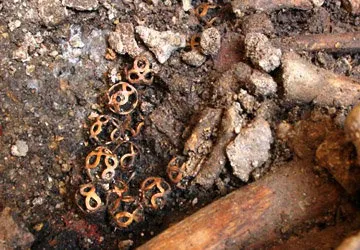
The tomb has been named The Tomb of the Serpent-Jaguar Priests. It dates back to the pre-Incan Pacopampa culture, which flourished from 1200 to 500BC along the Andean cordillera and was a contemporary of the well-known Chavín culture. The bodies of two high-ranking priests were found, along with fine ceramics and an ornate golden necklace. The priests were buried a meter deep in the tomb of the Lady of Pacopampa, which was discovered in 2009. The first priest was buried with the necklace, a piece with thirteen golden ovoid beads with 8-shaped cutouts and multicolored stones, while the second was buried with a black ceramic bottle that has the body of a serpent and the head of a jaguar. Like the Lady of Pacopampa, they were buried in the fetal position, and the two bodies were facing opposite directions, one to the south and one to the north.

Co-director Daniel Morales explained to news outlets covering the find that "as the figures are in the same place where they were rituals and feasts, we assume that they may have been responsible for conducting ceremonies during the apogee of that culture, between 800 and 500 BC." They were buried to the side of a large cuadrangular sunken plaza bordered by carved stone walls and two access stairways. The plaza appeared to be part of a ceremonial center related to agriculture, which also boasts three platforms facing northeast, towards the Pleiades constellation. The bodies of the priests were located at the level of the third platform, where archaeologists have been working for a decade. It will take many more years to fully excavate the lower two platforms.

The team is part of a binational project called the Projecto Proyecto Arqueológico Pacopampa Perú-Japón; it is led by Japanese researcher Yuji Seki and is under the support of Peru's National University of San Marcos.
 

News, routes, and expert tips

Explore the latest from our Cusco travel blog. Get practical guides, Machu Picchu updates, and fresh trekking and culture recommendations. Everything you need to travel Cusco safely and stylishly in 2026. Your next Andean story starts here!

Inca World Travel How to Travel from Pisco to Cusco: Flights, Routes, and Travel Tips

Are you planning your trip to Peru and want to combine the magic of the Ica Desert with the majesty of the Andes? Connecting the southern coast with the heart of the world is one of the best decisions you can make.

Here, we’ll tell you everything you need to know about the route from Pisco to Cusco, flight options, and how to plan your itinerary so you don’t miss a thing.

Inca World Travel Chiriuchu in Cusco: A Guide to Tasting the Signature Dish During the June Festivals

If you're lucky enough to visit the land of the Incas in June, you'll instantly realize that Cusco brings more to the table than just music, traditional dances, and colorful parades. There’s something else in the air—a rich, savory, and roasted aroma wafting from the main plazas, drawing both locals and travelers to lively, makeshift dining tables.

Carla Colon Sistine Chapel of the Americas

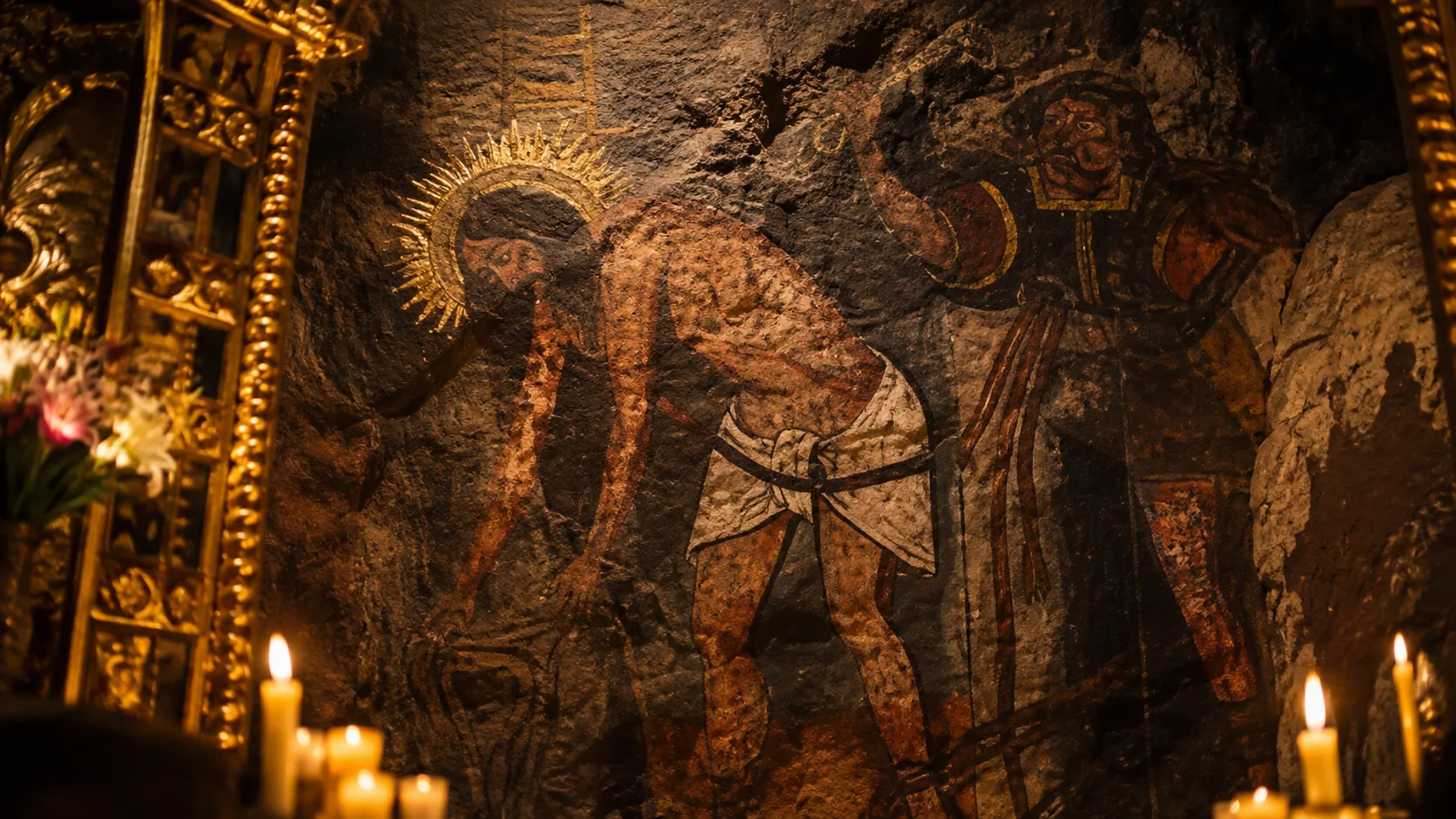
After four years and US$1.5 million, the restoration of the Church of San Pedro in the remote Andean village of Andahuaylillas, a priceless colonial art treasure showcasing the "Andean Baroque", has been completed. With the backing of the World Monuments Fund and regional and national authorities, restorers tackled the ill effects of earthquakes, shoddy restorations, centuries of grime and even bat droppings.

Are you planning to visit
Machu Picchu in 2026?

We would like to inform our travelers that availability for Circuit 1 and 2 for the months of June, July, and August is at 85% of capacity. We recommend booking at least 3 months in advance.

New Circuits and Routes

The Ministry of Culture has consolidated the three main tours. As of 2026, Tour 2 (The Royal Route) remains the only one that allows visitors to take the classic photo from the Guardian’s House. We have adapted all our packages to ensure this access.

Digital Check-In and Biometric Verification

Say goodbye to long check-in lines! Starting this season, entry is faster thanks to the new digital check-in system. Our packages include full management of your personalized tickets to prevent errors on the state platform.

Circuit Ideal for... Clasic photo Difficulty
Circuit 1 (Panoramic) High views and photo posts Yes Low
Circuit 2 (Andean) Complete circuit through the ruins Yes Medium
Circuit 3 (Reality) Persons or reduced movement No Very low

Ask about our Machu Picchu packages

Explore the best of our land

Explore the breathtaking diversity of the Central Andes. From ancient archaeological wonders and surreal high-altitude landscapes to world-class gastronomy and Amazonian adventures, our updated 2026 guides showcase the very best of this premier global destination.