Chiriuchu in Cusco: A Guide to Tasting the Signature Dish During the June Festivals
If you're lucky enough to visit the land of the Incas in June, you'll instantly realize that Cusco brings more to the table than just music, traditional dances, and colorful parades. There’s something else in the air—a rich, savory, and roasted aroma wafting from the main plazas, drawing both locals and travelers to lively, makeshift dining tables.
Published on 29-05-2026, por Inca World
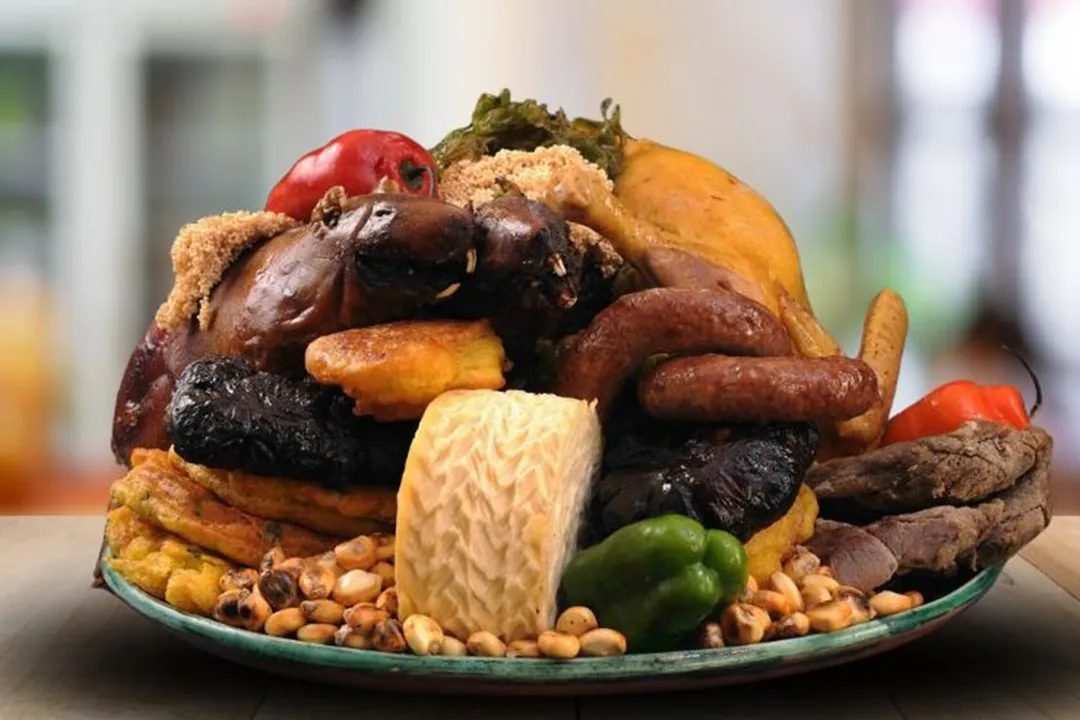
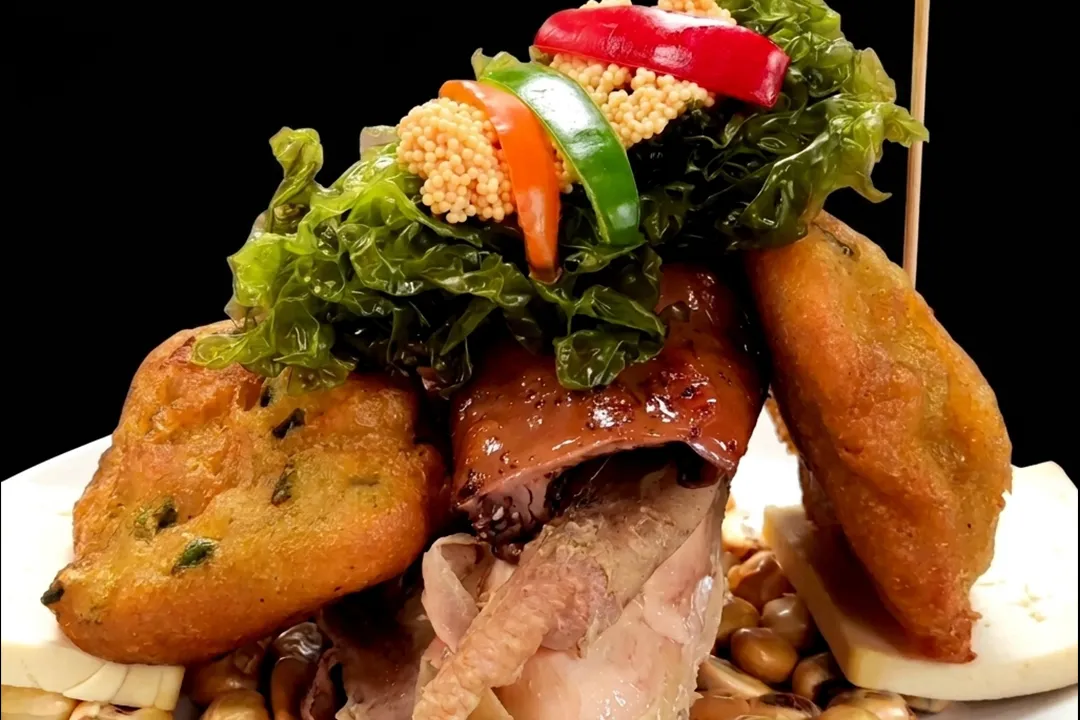
The Cusco Chiriuchu is the undisputed monarch of gastronomy in Cusco. This dish, traditionally eaten cold, is much more than a festive lunch: it is a living history lesson, a puzzle of flavors that summarizes Peru's geography, and a mandatory ritual for anyone looking to connect with the authentic Cusco.
Why does it inspire such devotion? How should you eat it to avoid failing in the attempt? In this guide, we tell you everything you need to know about this fascinating typical dish of Cusco so that your next visit during the Cusco June festivities is complete.
What is Chiriuchu and what is its sacred origin?
In the Quechua language, the word Chiriuchu comes from two terms: Chiri, which means cold, and Uchu, which translates to chili or spicy. Literally, we are looking at a "cold chili", a combination that shatters the expectations of Western tourists used to main feasts being served steaming hot. The origin of this dish dates back to the Tahuantinsuyo era. Local chroniclers and historians recount that during the great Inca assemblies, the ayllus (family communities) arrived in the imperial capital from the four suyos (regions of the empire). Each delegation brought the best produce from their native lands to share in community. The result of this territorial and cultural union was Chiriuchu.
With the arrival of the Spanish, the tradition did not disappear; instead, it was transformed. The dish integrated perfectly into the Catholic calendar, becoming the culinary symbol of Corpus Christi, the city's most imposing religious festival where fifteen saints and virgins go in procession around the Plaza de Armas.
The 9 Ingredients: The map of Peru in a single dish
What makes Chiriuchu truly unique is its structure. It is not a stew where everything is mixed together; it is a perfectly stacked tower of ingredients that come from the Peruvian coast, highlands, and jungle brow. Each element has its own space and a reason for being:
| Region of Origin | Chiriuchu Ingredients | Traditional Description |
|---|---|---|
| The Highlands (Andean Region) | Crispy guinea pig (cuy), boiled chicken, fresh cheese, corn tortilla, toasted corn (t'anka). | They provide the baked textures, dense meats, and the salty touch of Andean cheese. |
| The Coast (Marine Region) |
Cochayuyo (seaweed), dehydrated fish roe. | They introduce the umami flavor and the memory of the sea that the Incas used to transport via the chasquis. |
| The Jungle and Warm Valleys |
Cecina (dried pork), fresh rocoto pepper. | They add the smoky touch of the meat and the indispensable spice that binds all the flavors together. |
The corn tortilla (or ch'iñi torreja) deserves a special mention: made from corn flour, squash, green onions, and a touch of spices, it functions as the "bread" that accompanies and balances the intensity of the meats.
The secret of the picanteros to eat it correctly:
If you try to eat Chiriuchu by separating the ingredients or using a fork and knife, Cusqueños will look at you with a knowing smile. This dish is eaten strictly with your hands. The correct technique consists of tearing off a small piece of each ingredient with your fingers and putting them in your mouth together. Only by combining the chicken, guinea pig, cheese, seaweed, and tortilla in a single bite will you experience the explosion of flavors for which it was designed.
What to eat in Cusco in June? The epicenter of flavor
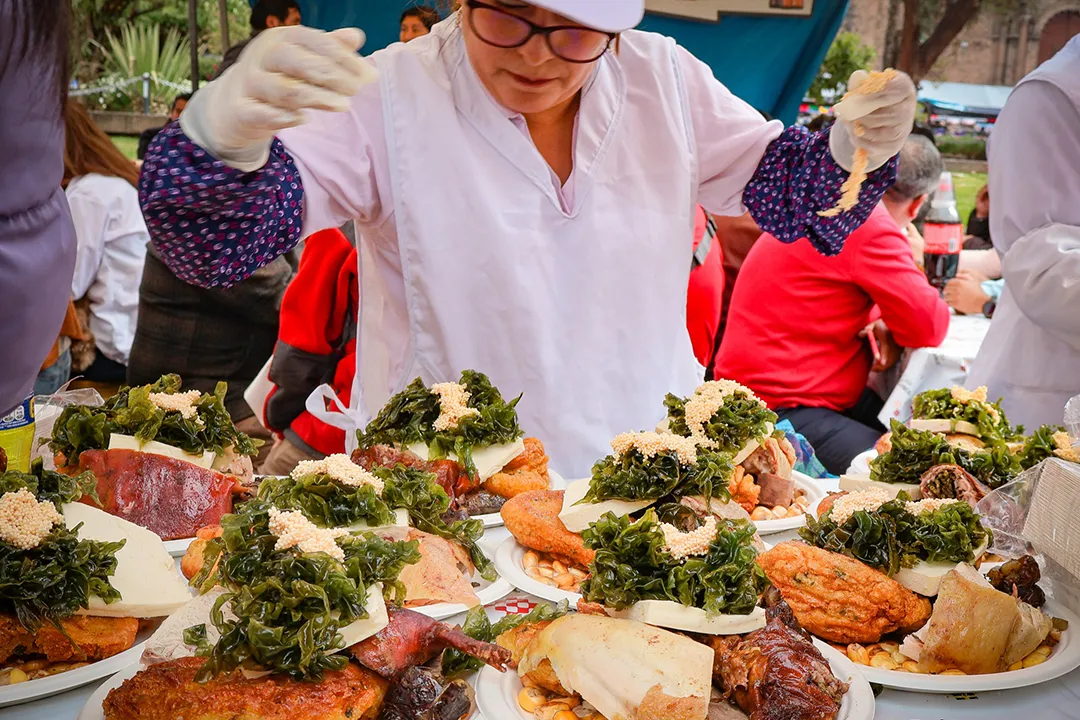
If you are organizing your itinerary and wondering exactly where to find this delicacy during the celebrations, the mandatory meeting point is the Chiriuchu Festival, which is set up annually in Plaza San Francisco (just a couple of blocks from the Plaza de Armas). There, dozens of traditional picanteras, heirs to century-old recipes, set up their stalls under rigorous quality controls.
You can also find it in the traditional picanterías of emblematic neighborhoods like San Blas or San Jerónimo, or at our restaurant Pirwa Restaurant Cusco right in Plaza San Francisco, where the atmosphere is more local and relaxed.
Health and wellness tips for travelers
Since it is a heavy, cold dish served in a city that sits at over 3,400 meters above sea level, we recommend following these guidelines to ensure your experience is spectacular:
- Acclimatize first: Try to taste Chiriuchu from your second or third day in the city, once your digestion has adapted to the altitude.
- Choose authorized stalls: In Plaza San Francisco, look for stalls that have certifications from EMUFEC and the Municipality of Cusco.
- The traditional pairing: Accompany it with a ice-cold chicha de jora if you want the full experience, or with a hot muña (Andean mint) or mint tea right after eating to help your stomach process the meats optimally.
Are you planning to experience the Cusco festivities in June?
At our local travel agency, we are specialists in designing itineraries that not only take you to see archaeological wonders like Machu Picchu or the Sacred Valley, but also immerse you completely in the culture, dances, and fascinating gastronomy of our region. Let us help you organize an authentic, safe, and flavor-packed trip. Contact us today and get a quote for your next Cusco adventure with true local experts!
If you're lucky enough to visit the land of the Incas in June, you'll instantly realize that Cusco brings more to the table than just music, traditional dances, and colorful parades. There’s something else in the air—a rich, savory, and roasted aroma wafting from the main plazas, drawing both locals and travelers to lively, makeshift dining tables.
Published on 29-05-2026, por Inca World
The Cusco Chiriuchu is the undisputed monarch of gastronomy in Cusco. This dish, traditionally eaten cold, is much more than a festive lunch: it is a living history lesson, a puzzle of flavors that summarizes Peru's geography, and a mandatory ritual for anyone looking to connect with the authentic Cusco.
Why does it inspire such devotion? How should you eat it to avoid failing in the attempt? In this guide, we tell you everything you need to know about this fascinating typical dish of Cusco so that your next visit during the Cusco June festivities is complete.
What is Chiriuchu and what is its sacred origin?
In the Quechua language, the word Chiriuchu comes from two terms: Chiri, which means cold, and Uchu, which translates to chili or spicy. Literally, we are looking at a "cold chili", a combination that shatters the expectations of Western tourists used to main feasts being served steaming hot. The origin of this dish dates back to the Tahuantinsuyo era. Local chroniclers and historians recount that during the great Inca assemblies, the ayllus (family communities) arrived in the imperial capital from the four suyos (regions of the empire). Each delegation brought the best produce from their native lands to share in community. The result of this territorial and cultural union was Chiriuchu.
With the arrival of the Spanish, the tradition did not disappear; instead, it was transformed. The dish integrated perfectly into the Catholic calendar, becoming the culinary symbol of Corpus Christi, the city's most imposing religious festival where fifteen saints and virgins go in procession around the Plaza de Armas.
The 9 Ingredients: The map of Peru in a single dish
What makes Chiriuchu truly unique is its structure. It is not a stew where everything is mixed together; it is a perfectly stacked tower of ingredients that come from the Peruvian coast, highlands, and jungle brow. Each element has its own space and a reason for being:
| Region of Origin | Chiriuchu Ingredients | Traditional Description |
|---|---|---|
| The Highlands (Andean Region) | Crispy guinea pig (cuy), boiled chicken, fresh cheese, corn tortilla, toasted corn (t'anka). | They provide the baked textures, dense meats, and the salty touch of Andean cheese. |
| The Coast (Marine Region) |
Cochayuyo (seaweed), dehydrated fish roe. | They introduce the umami flavor and the memory of the sea that the Incas used to transport via the chasquis. |
| The Jungle and Warm Valleys |
Cecina (dried pork), fresh rocoto pepper. | They add the smoky touch of the meat and the indispensable spice that binds all the flavors together. |
The corn tortilla (or ch'iñi torreja) deserves a special mention: made from corn flour, squash, green onions, and a touch of spices, it functions as the "bread" that accompanies and balances the intensity of the meats.
The secret of the picanteros to eat it correctly:
If you try to eat Chiriuchu by separating the ingredients or using a fork and knife, Cusqueños will look at you with a knowing smile. This dish is eaten strictly with your hands. The correct technique consists of tearing off a small piece of each ingredient with your fingers and putting them in your mouth together. Only by combining the chicken, guinea pig, cheese, seaweed, and tortilla in a single bite will you experience the explosion of flavors for which it was designed.
What to eat in Cusco in June? The epicenter of flavor
If you are organizing your itinerary and wondering exactly where to find this delicacy during the celebrations, the mandatory meeting point is the Chiriuchu Festival, which is set up annually in Plaza San Francisco (just a couple of blocks from the Plaza de Armas). There, dozens of traditional picanteras, heirs to century-old recipes, set up their stalls under rigorous quality controls.
You can also find it in the traditional picanterías of emblematic neighborhoods like San Blas or San Jerónimo, or at our restaurant Pirwa Restaurant Cusco right in Plaza San Francisco, where the atmosphere is more local and relaxed.
Health and wellness tips for travelers
Since it is a heavy, cold dish served in a city that sits at over 3,400 meters above sea level, we recommend following these guidelines to ensure your experience is spectacular:
- Acclimatize first: Try to taste Chiriuchu from your second or third day in the city, once your digestion has adapted to the altitude.
- Choose authorized stalls: In Plaza San Francisco, look for stalls that have certifications from EMUFEC and the Municipality of Cusco.
- The traditional pairing: Accompany it with a ice-cold chicha de jora if you want the full experience, or with a hot muña (Andean mint) or mint tea right after eating to help your stomach process the meats optimally.
Are you planning to experience the Cusco festivities in June?
At our local travel agency, we are specialists in designing itineraries that not only take you to see archaeological wonders like Machu Picchu or the Sacred Valley, but also immerse you completely in the culture, dances, and fascinating gastronomy of our region. Let us help you organize an authentic, safe, and flavor-packed trip. Contact us today and get a quote for your next Cusco adventure with true local experts!
News, routes, and expert tips
Explore the latest from our Cusco travel blog. Get practical guides, Machu Picchu updates, and fresh trekking and culture recommendations. Everything you need to travel Cusco safely and stylishly in 2026. Your next Andean story starts here!
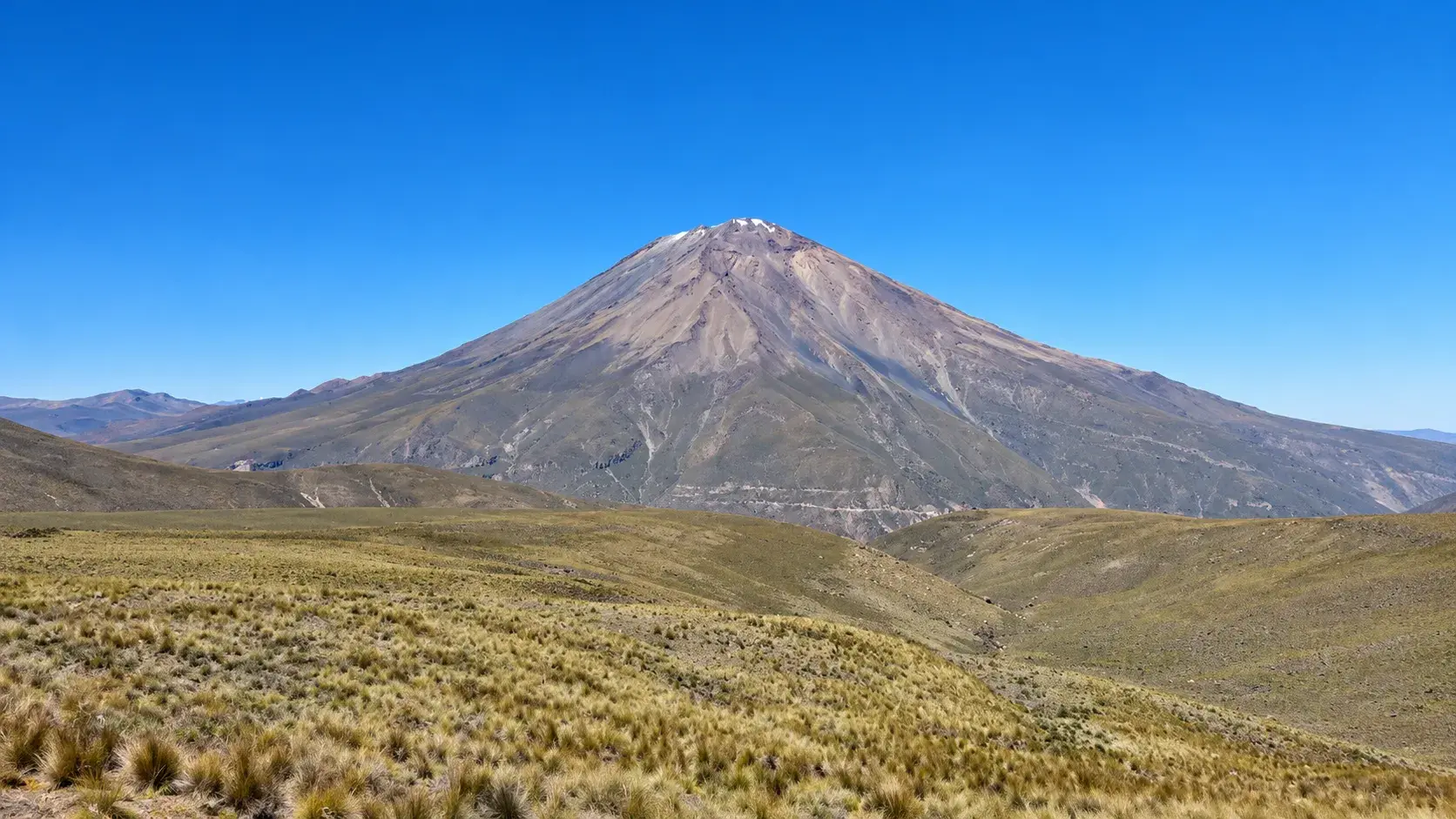
Arequipa’s white color isn’t paint: it’s volcanic stone. Discover the history, architecture, and Andean legacy of a heritage gem standing majestically at the foot of the Misti Volcano, serving as a key starting point in southern Peru.
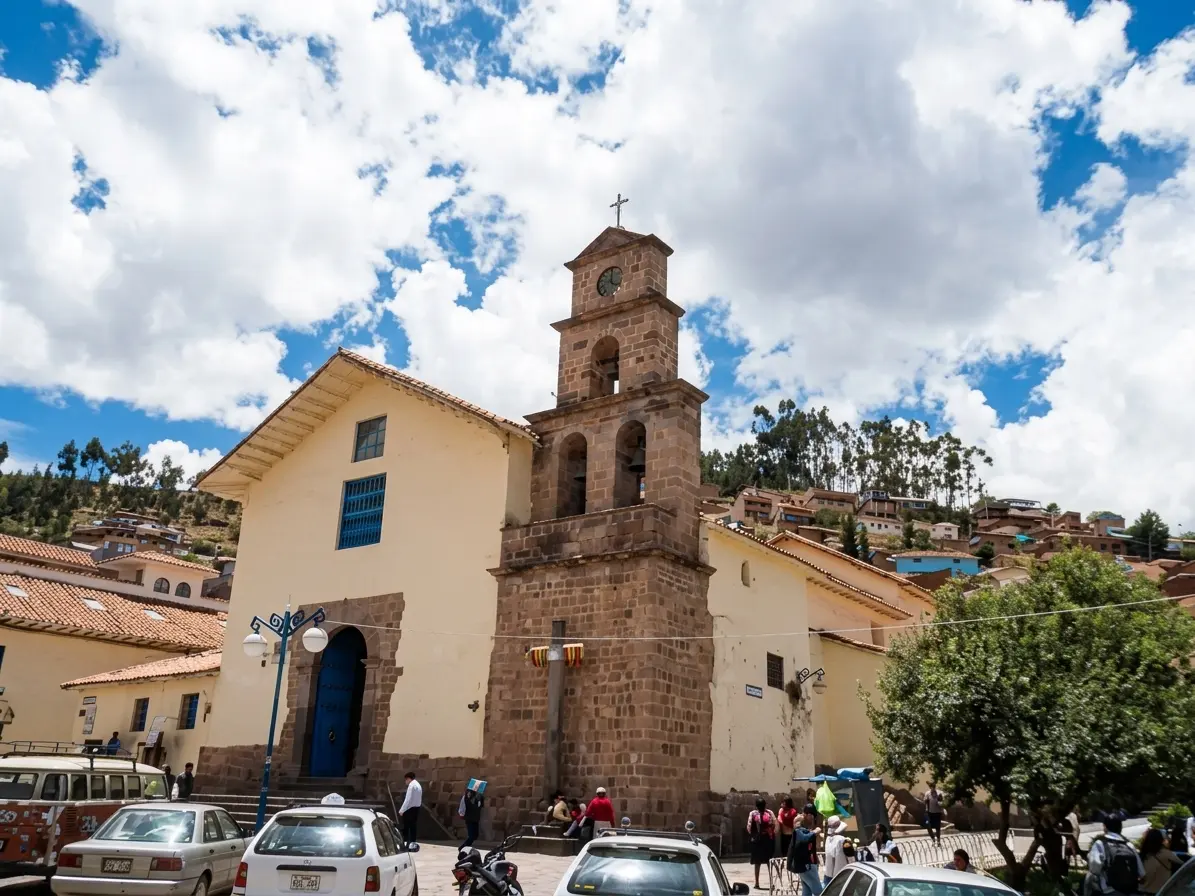
Explore the iconic San Blas neighborhood in Cusco, known as the "Balcony of Cusco" and home to Peru's finest artisans. Discover its rich history from Inca times, how to walk from Plaza de Armas past the 12-Angled Stone, its famous art galleries (Mendívil and Mérida families), panoramic viewpoint, San Blas Church, and Saturday craft market. Plan your walking tour with Inca World Travel.

Planning a trip to Ica? Discover the top tourist attractions in Ica, Peru: the iconic Huacachina Oasis, Paracas National Reserve, enigmatic Nazca Lines, the Pisco Route, and Canyon of the Lost. Find key details on location, how to get there from Lima or Cusco, travel times, weather, and top regional museums in this comprehensive travel guide by Inca World Travel.
Are you planning to visit
Machu Picchu in 2026?
We would like to inform our travelers that availability for Circuit 1 and 2 for the months of November, December and January is at 85% of capacity. We recommend booking at least 3 months in advance.
New Circuits and Routes
The Ministry of Culture has consolidated the three main tours. As of 2026, Tour 2 (The Royal Route) remains the only one that allows visitors to take the classic photo from the Guardian’s House. We have adapted all our packages to ensure this access.
Digital Check-In and Biometric Verification
Say goodbye to long check-in lines! Starting this season, entry is faster thanks to the new digital check-in system. Our packages include full management of your personalized tickets to prevent errors on the state platform.
| Circuit | Ideal for... | Clasic photo | Difficulty |
|---|---|---|---|
| Circuit 1 (Panoramic) | High views and photo posts | Yes | Low |
| Circuit 2 (Andean) | Complete circuit through the ruins | Yes | Medium |
| Circuit 3 (Reality) | Persons or reduced movement | No | Very low |
Ask about our Machu Picchu packages
Explore the best of our land
Explore the breathtaking diversity of the Central Andes. From ancient archaeological wonders and surreal high-altitude landscapes to world-class gastronomy and Amazonian adventures, our updated 2026 guides showcase the very best of this premier global destination.