Arequipa, the White City Built from Volcanic Sillar
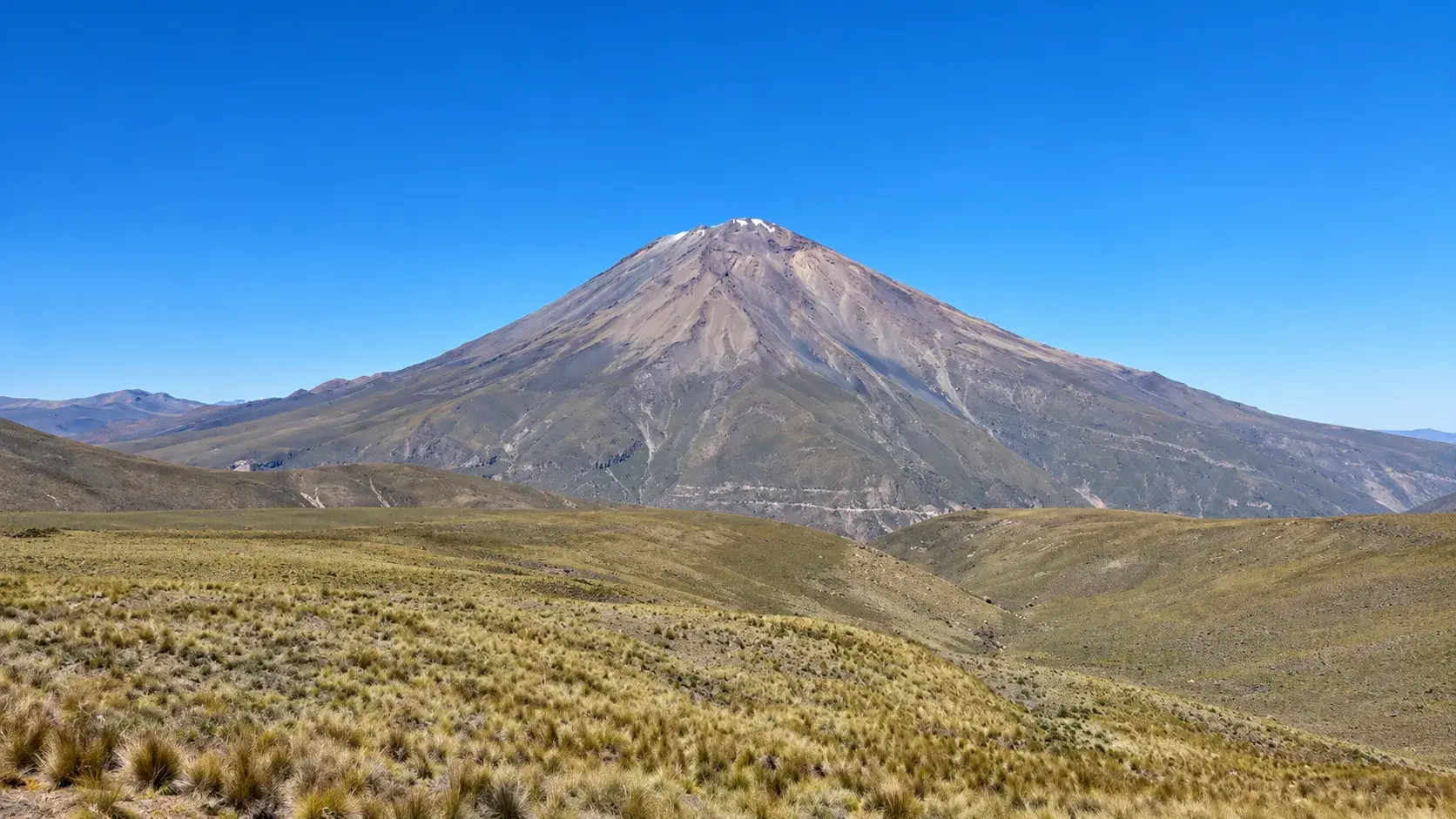
Arequipa’s white color isn’t paint: it’s volcanic stone. Discover the history, architecture, and Andean legacy of a heritage gem standing majestically at the foot of the Misti Volcano, serving as a key starting point in southern Peru.
Published on 21-10-2026, por Inca World
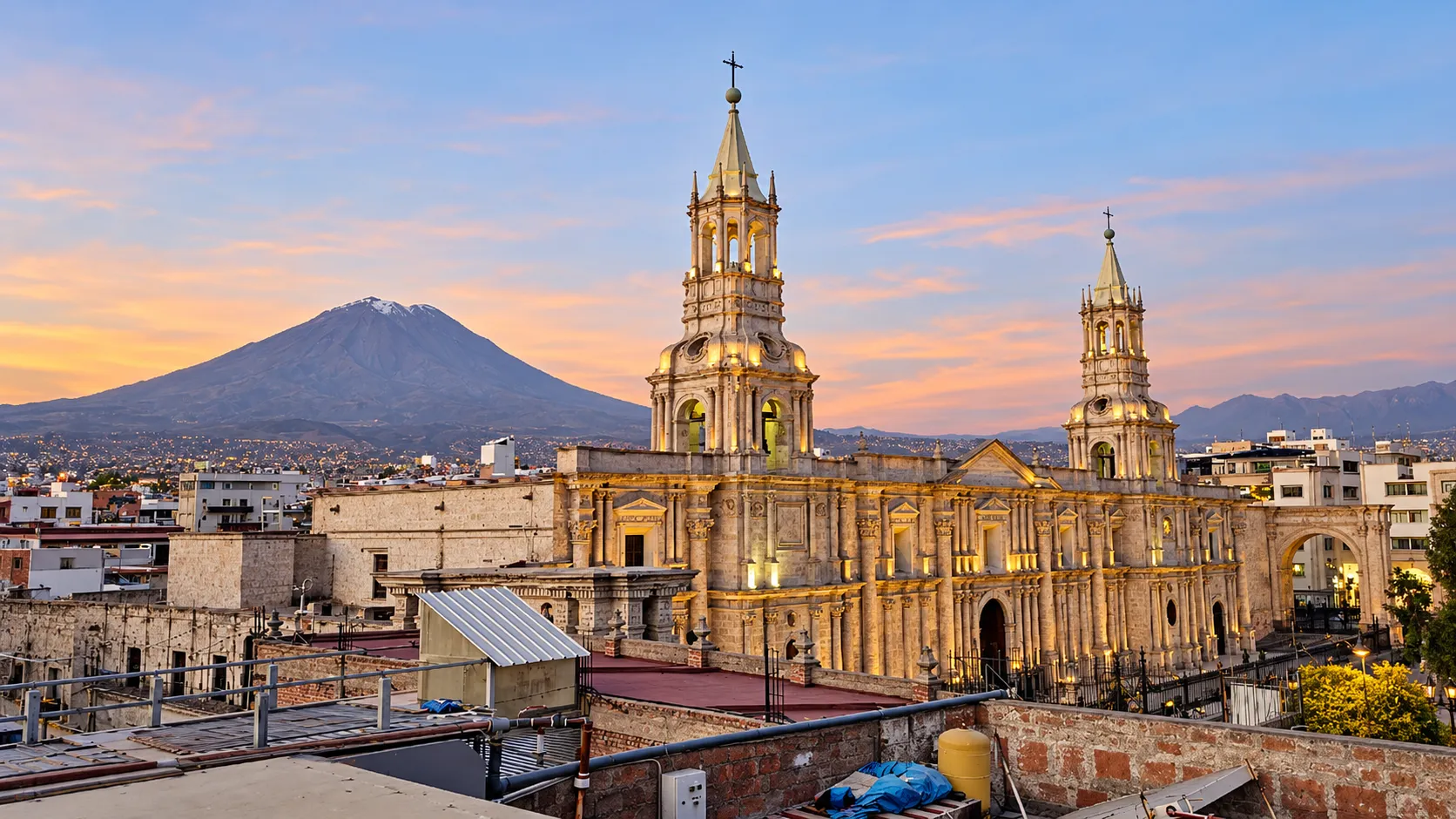
Arequipa's white color isn’t paint: it’s volcanic stone. Anyone setting foot for the first time in this imposing southern Peruvian city encounters a dazzling urban landscape that seems to have been carved out of the very nature surrounding it. Arequipa is, at its core, a city built from the stone of the volcano that stands watch over it permanently, offering an unforgettable visual testimony to geological force and human mastery.
Sillar: The Soul of Arequipa's Architecture
To understand the charm of this destination, one must look closely at its walls. The famous white color that characterizes the city is due to sillar, a resistant volcanic rock extracted from quarries near the city. This material has not only defined the local aesthetic, but also represents the tenacity of a people who knew how to make the most of their geography's resources.
The city houses over 500 colonial mansions in its old town, according to records from Arequipa on PromPerú's official portal. These stately buildings exhibit a refined European-Andean style that dominates the skyline, always under the watchful and silent presence of the majestic Misti Volcano. Walking through these cobblestone streets means stepping into an open-air museum where every sillar facade tells centuries of history.
A Historic Center That Is a UNESCO World Heritage Site
The invaluable value of this Andean metropolis enjoys solid international recognition. Since the year 2000, the Historic Center of Arequipa has been formally declared a UNESCO World Heritage Site. This title merely confirms the grandeur of its architectural design and the remarkable state of conservation of its most iconic spaces, which deserve to be explored with a comprehensive city tour in Arequipa.
UNESCO's findings highlight a fundamental fact: the buildings constructed with sillar are the perfect result of the fusion of two worlds. Here, European construction techniques blend seamlessly with deep Andean traditions. This synergy is evident in the structural features of the buildings, highlighting their robust walls, strategically designed to withstand the region's constant seismic activity.
Furthermore, the architecture is adorned with majestic arches, grand vaults, and luminous interior courtyards, culminating in breathtaking complex Baroque facades. Behind all this display of art in stone lies the tireless and collaborative effort of skilled colonial masters working side by side with talented Creole and Indigenous stonemasons.
The Santa Catalina Monastery: A City Within a City
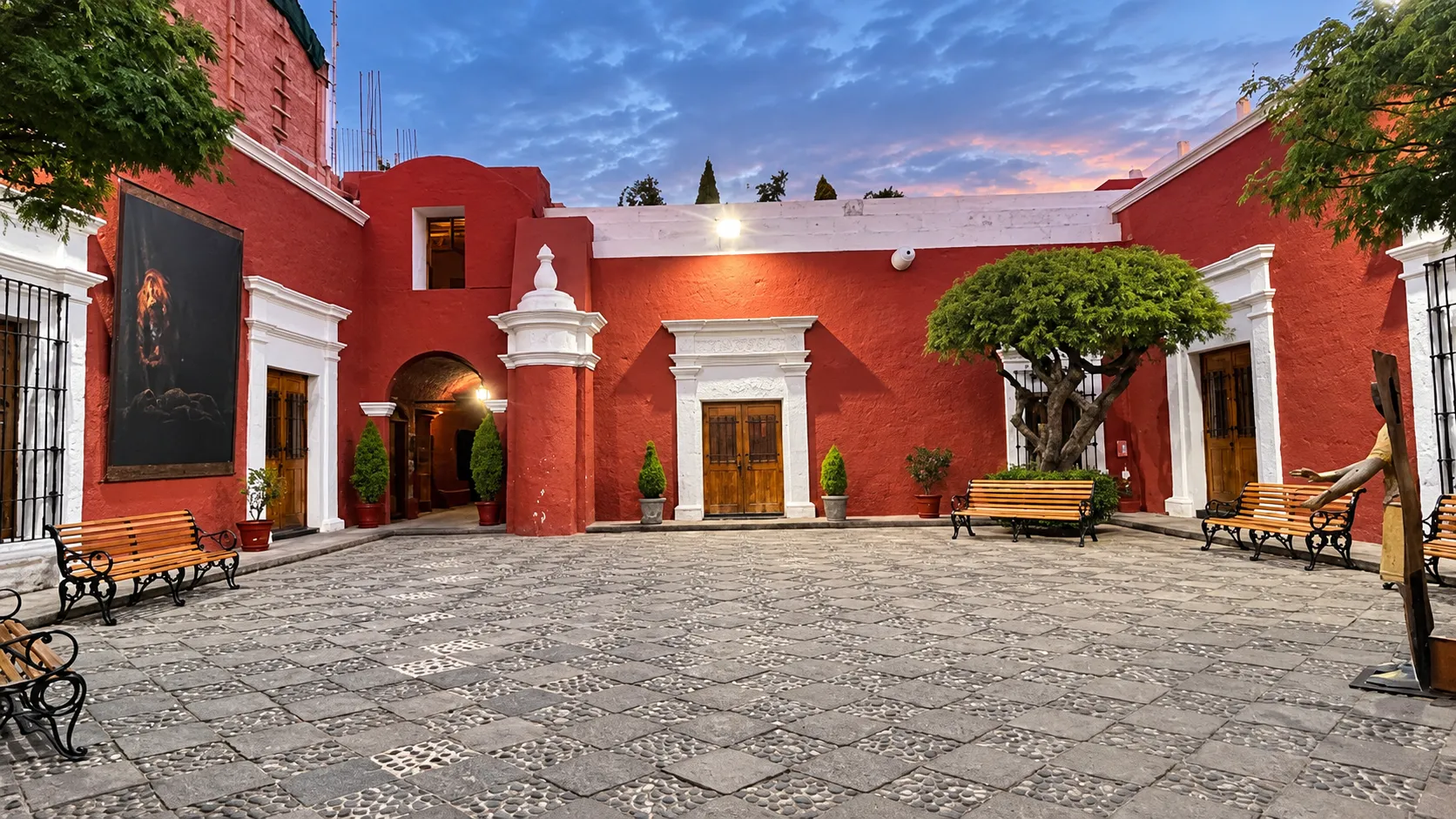
Within the boundaries of the historic center lies a corner where time stopped centuries ago. The iconic Santa Catalina Monastery, officially founded in 1579, is one of the continent's greatest religious and historical gems. It is not simply a conventional convent, but an immense complex occupying nearly 20,000 square meters.
This religious sanctuary is meticulously organized into four distinct neighborhoods, each with its own character, brightly colored alleys, and flower-decorated corridors. Additionally, its inner museum is an invaluable artistic treasure housing nearly 100 works from the Cusqueña School of Art, offering travelers an intimate look into the splendor of viceregal art, as documented by PromPerú.
Starting Point to the Heights: Colca and Misti
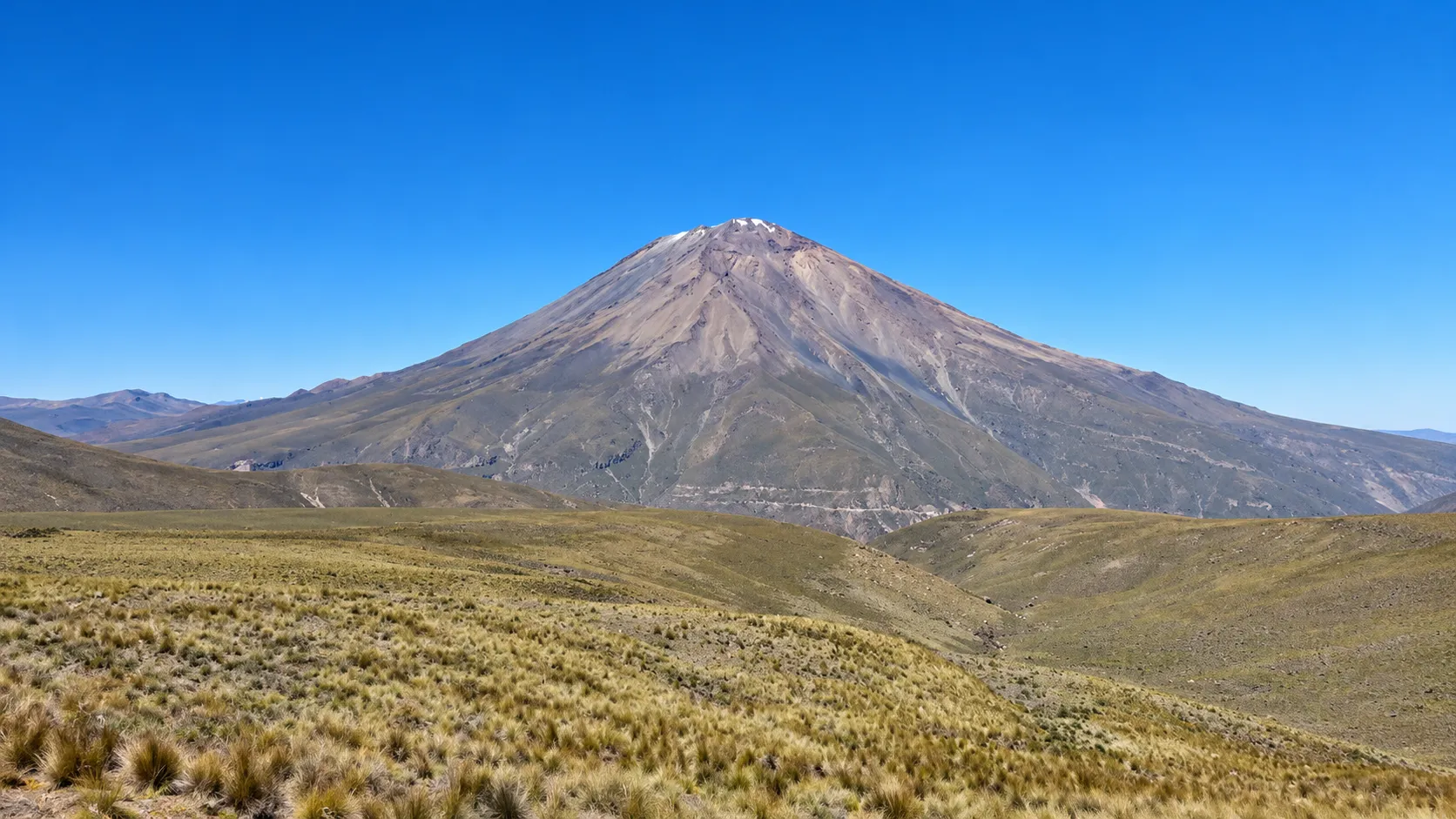
Beyond the urban wonders contained within the White City, Arequipa serves as the perfect launching pad for some of South America's most formidable nature expeditions. From the comfort of the city, travelers prepare for the grand challenge of conquering the peaks that dominate the skyline, embarking on the exciting ascent up Misti Volcano.
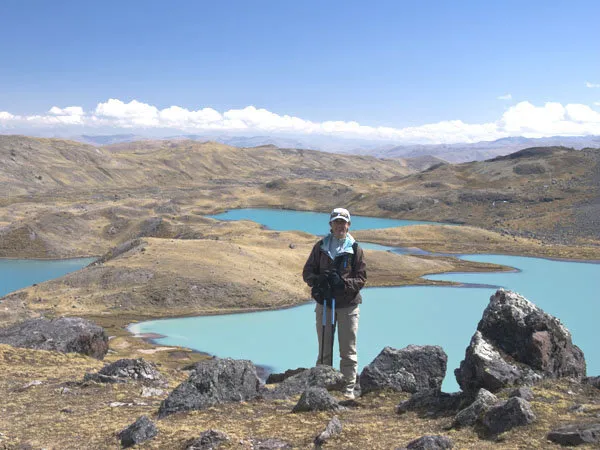
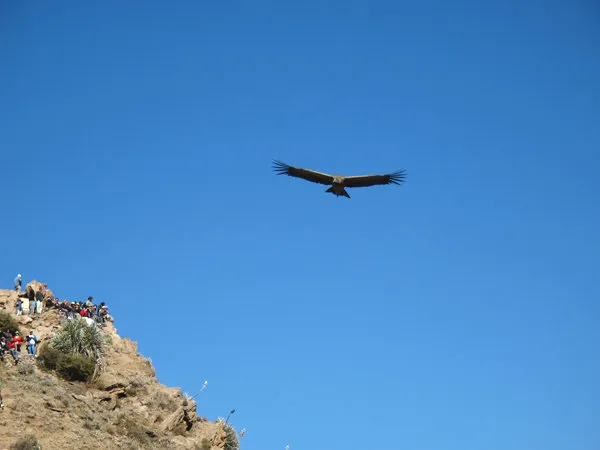
On the other hand, the deep landscapes of the Andean canyons await just a few hours' travel away. The options are varied and adapt to every adventurer's pace. Those on a tight schedule can opt for a dynamic Colca Canyon in one day tour. However, to truly absorb the immensity of the region, it is highly recommended to take the 2-day and 1-night Colca tour or, for the more active, a challenging Colca trek down to the river.
Likewise, there are immersive alternatives that connect directly with the local culture, such as the warm experiential tour in Sibayo. And for those seeking to explore even more remote landscapes, the imposing Cotahuasi Canyon stands out as an unforgettable challenge.
Arequipa Within the Great Southern Route
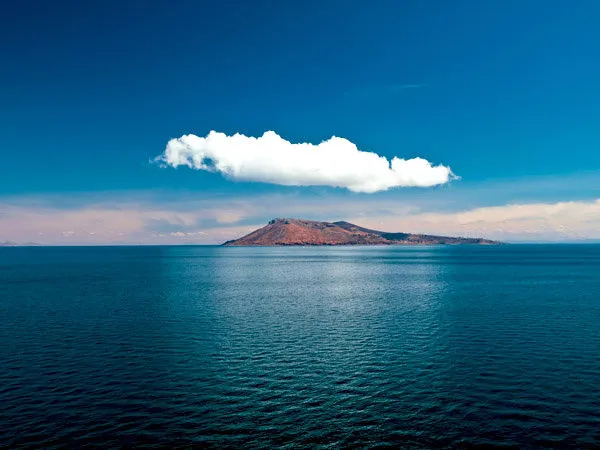
Visiting this region is not an isolated trip, but a key stage along the famous Southern Peru Route. Arequipa's excellent connectivity allows for a seamless transition to other Andean giants. Many travelers continue their journey toward the Altiplano to explore Puno and the Titicaca Islands, marveling along the way at the ancient legacy of the Sillustani Chullpas.
This entire extensive journey through southern Peru is accompanied, of course, by a rich and varied regional gastronomy highlighting traditional local flavors, adding an unmistakable culinary charm that welcomes every visitor after intense days of sightseeing.
Discover the Magic of the South with Inca World
The White City isn’t just described—it is experienced. Its walls carved from volcanic sillar, its vibrant colonial past, and the majestic volcanoes protecting it make it an essential destination for any serious traveler. At Inca World, we specialize in crafting expert itineraries, ensuring that every experience in southern Peru is authentic and memorable.
Start planning your trip today: Explore our itineraries and set off on your next adventure to Arequipa.
Arequipa’s white color isn’t paint: it’s volcanic stone. Discover the history, architecture, and Andean legacy of a heritage gem standing majestically at the foot of the Misti Volcano, serving as a key starting point in southern Peru.
Published on 21-10-2026, por Inca World
Arequipa's white color isn’t paint: it’s volcanic stone. Anyone setting foot for the first time in this imposing southern Peruvian city encounters a dazzling urban landscape that seems to have been carved out of the very nature surrounding it. Arequipa is, at its core, a city built from the stone of the volcano that stands watch over it permanently, offering an unforgettable visual testimony to geological force and human mastery.
Sillar: The Soul of Arequipa's Architecture
To understand the charm of this destination, one must look closely at its walls. The famous white color that characterizes the city is due to sillar, a resistant volcanic rock extracted from quarries near the city. This material has not only defined the local aesthetic, but also represents the tenacity of a people who knew how to make the most of their geography's resources.
The city houses over 500 colonial mansions in its old town, according to records from Arequipa on PromPerú's official portal. These stately buildings exhibit a refined European-Andean style that dominates the skyline, always under the watchful and silent presence of the majestic Misti Volcano. Walking through these cobblestone streets means stepping into an open-air museum where every sillar facade tells centuries of history.
A Historic Center That Is a UNESCO World Heritage Site
The invaluable value of this Andean metropolis enjoys solid international recognition. Since the year 2000, the Historic Center of Arequipa has been formally declared a UNESCO World Heritage Site. This title merely confirms the grandeur of its architectural design and the remarkable state of conservation of its most iconic spaces, which deserve to be explored with a comprehensive city tour in Arequipa.
UNESCO's findings highlight a fundamental fact: the buildings constructed with sillar are the perfect result of the fusion of two worlds. Here, European construction techniques blend seamlessly with deep Andean traditions. This synergy is evident in the structural features of the buildings, highlighting their robust walls, strategically designed to withstand the region's constant seismic activity.
Furthermore, the architecture is adorned with majestic arches, grand vaults, and luminous interior courtyards, culminating in breathtaking complex Baroque facades. Behind all this display of art in stone lies the tireless and collaborative effort of skilled colonial masters working side by side with talented Creole and Indigenous stonemasons.
The Santa Catalina Monastery: A City Within a City
Within the boundaries of the historic center lies a corner where time stopped centuries ago. The iconic Santa Catalina Monastery, officially founded in 1579, is one of the continent's greatest religious and historical gems. It is not simply a conventional convent, but an immense complex occupying nearly 20,000 square meters.
This religious sanctuary is meticulously organized into four distinct neighborhoods, each with its own character, brightly colored alleys, and flower-decorated corridors. Additionally, its inner museum is an invaluable artistic treasure housing nearly 100 works from the Cusqueña School of Art, offering travelers an intimate look into the splendor of viceregal art, as documented by PromPerú.
Starting Point to the Heights: Colca and Misti
Beyond the urban wonders contained within the White City, Arequipa serves as the perfect launching pad for some of South America's most formidable nature expeditions. From the comfort of the city, travelers prepare for the grand challenge of conquering the peaks that dominate the skyline, embarking on the exciting ascent up Misti Volcano.
On the other hand, the deep landscapes of the Andean canyons await just a few hours' travel away. The options are varied and adapt to every adventurer's pace. Those on a tight schedule can opt for a dynamic Colca Canyon in one day tour. However, to truly absorb the immensity of the region, it is highly recommended to take the 2-day and 1-night Colca tour or, for the more active, a challenging Colca trek down to the river.
Likewise, there are immersive alternatives that connect directly with the local culture, such as the warm experiential tour in Sibayo. And for those seeking to explore even more remote landscapes, the imposing Cotahuasi Canyon stands out as an unforgettable challenge.
Arequipa Within the Great Southern Route
Visiting this region is not an isolated trip, but a key stage along the famous Southern Peru Route. Arequipa's excellent connectivity allows for a seamless transition to other Andean giants. Many travelers continue their journey toward the Altiplano to explore Puno and the Titicaca Islands, marveling along the way at the ancient legacy of the Sillustani Chullpas.
This entire extensive journey through southern Peru is accompanied, of course, by a rich and varied regional gastronomy highlighting traditional local flavors, adding an unmistakable culinary charm that welcomes every visitor after intense days of sightseeing.
Discover the Magic of the South with Inca World
The White City isn’t just described—it is experienced. Its walls carved from volcanic sillar, its vibrant colonial past, and the majestic volcanoes protecting it make it an essential destination for any serious traveler. At Inca World, we specialize in crafting expert itineraries, ensuring that every experience in southern Peru is authentic and memorable.
Start planning your trip today: Explore our itineraries and set off on your next adventure to Arequipa.
News, routes, and expert tips
Explore the latest from our Cusco travel blog. Get practical guides, Machu Picchu updates, and fresh trekking and culture recommendations. Everything you need to travel Cusco safely and stylishly in 2026. Your next Andean story starts here!
Arequipa’s white color isn’t paint: it’s volcanic stone. Discover the history, architecture, and Andean legacy of a heritage gem standing majestically at the foot of the Misti Volcano, serving as a key starting point in southern Peru.
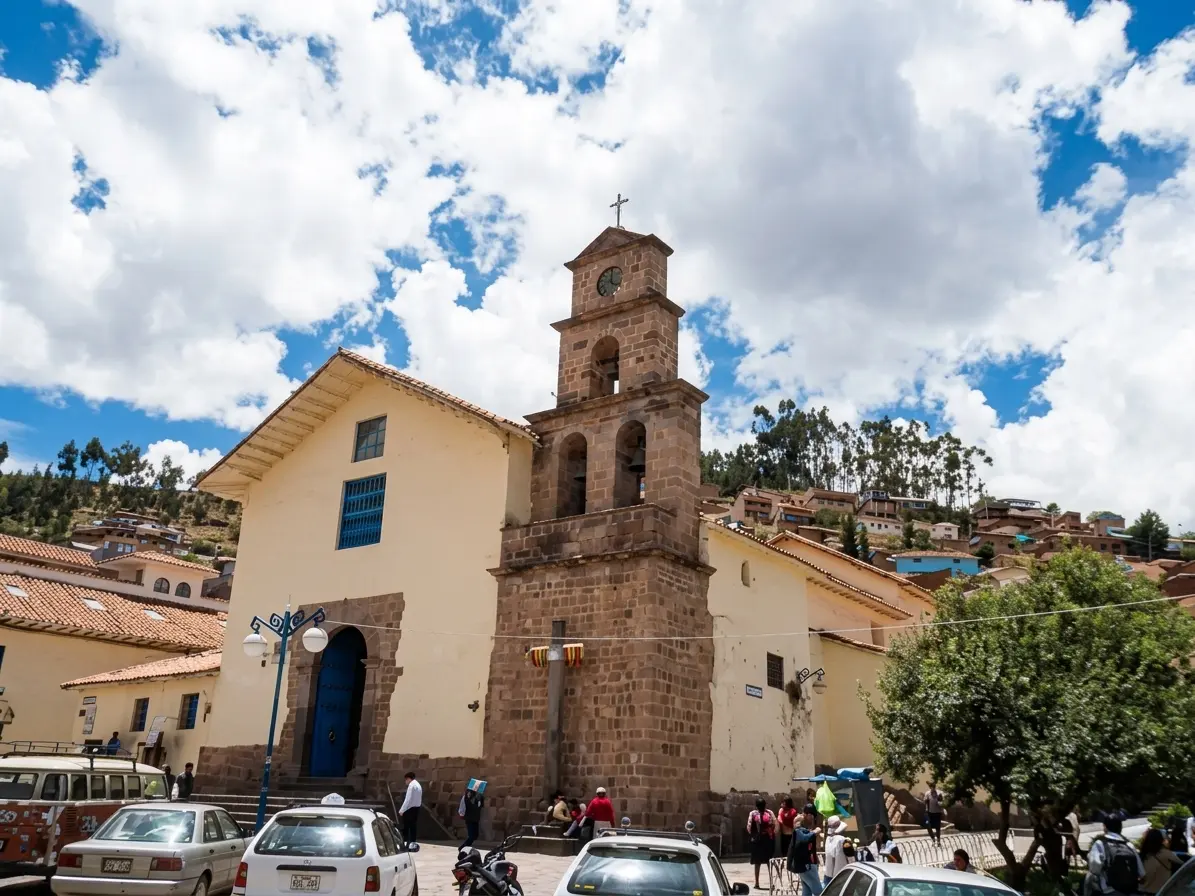
Explore the iconic San Blas neighborhood in Cusco, known as the "Balcony of Cusco" and home to Peru's finest artisans. Discover its rich history from Inca times, how to walk from Plaza de Armas past the 12-Angled Stone, its famous art galleries (Mendívil and Mérida families), panoramic viewpoint, San Blas Church, and Saturday craft market. Plan your walking tour with Inca World Travel.
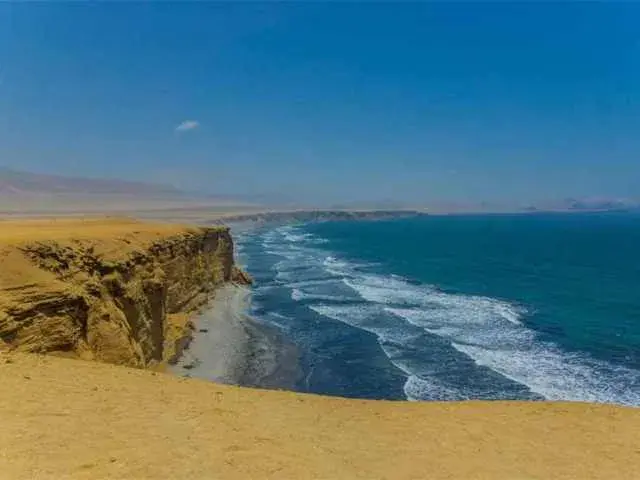
Planning a trip to Ica? Discover the top tourist attractions in Ica, Peru: the iconic Huacachina Oasis, Paracas National Reserve, enigmatic Nazca Lines, the Pisco Route, and Canyon of the Lost. Find key details on location, how to get there from Lima or Cusco, travel times, weather, and top regional museums in this comprehensive travel guide by Inca World Travel.
Are you planning to visit
Machu Picchu in 2026?
We would like to inform our travelers that availability for Circuit 1 and 2 for the months of November, December and January is at 85% of capacity. We recommend booking at least 3 months in advance.
New Circuits and Routes
The Ministry of Culture has consolidated the three main tours. As of 2026, Tour 2 (The Royal Route) remains the only one that allows visitors to take the classic photo from the Guardian’s House. We have adapted all our packages to ensure this access.
Digital Check-In and Biometric Verification
Say goodbye to long check-in lines! Starting this season, entry is faster thanks to the new digital check-in system. Our packages include full management of your personalized tickets to prevent errors on the state platform.
| Circuit | Ideal for... | Clasic photo | Difficulty |
|---|---|---|---|
| Circuit 1 (Panoramic) | High views and photo posts | Yes | Low |
| Circuit 2 (Andean) | Complete circuit through the ruins | Yes | Medium |
| Circuit 3 (Reality) | Persons or reduced movement | No | Very low |
Ask about our Machu Picchu packages
Explore the best of our land
Explore the breathtaking diversity of the Central Andes. From ancient archaeological wonders and surreal high-altitude landscapes to world-class gastronomy and Amazonian adventures, our updated 2026 guides showcase the very best of this premier global destination.