Historic Center of Cusco Tours: The Ideal Cultural Walking Itinerary
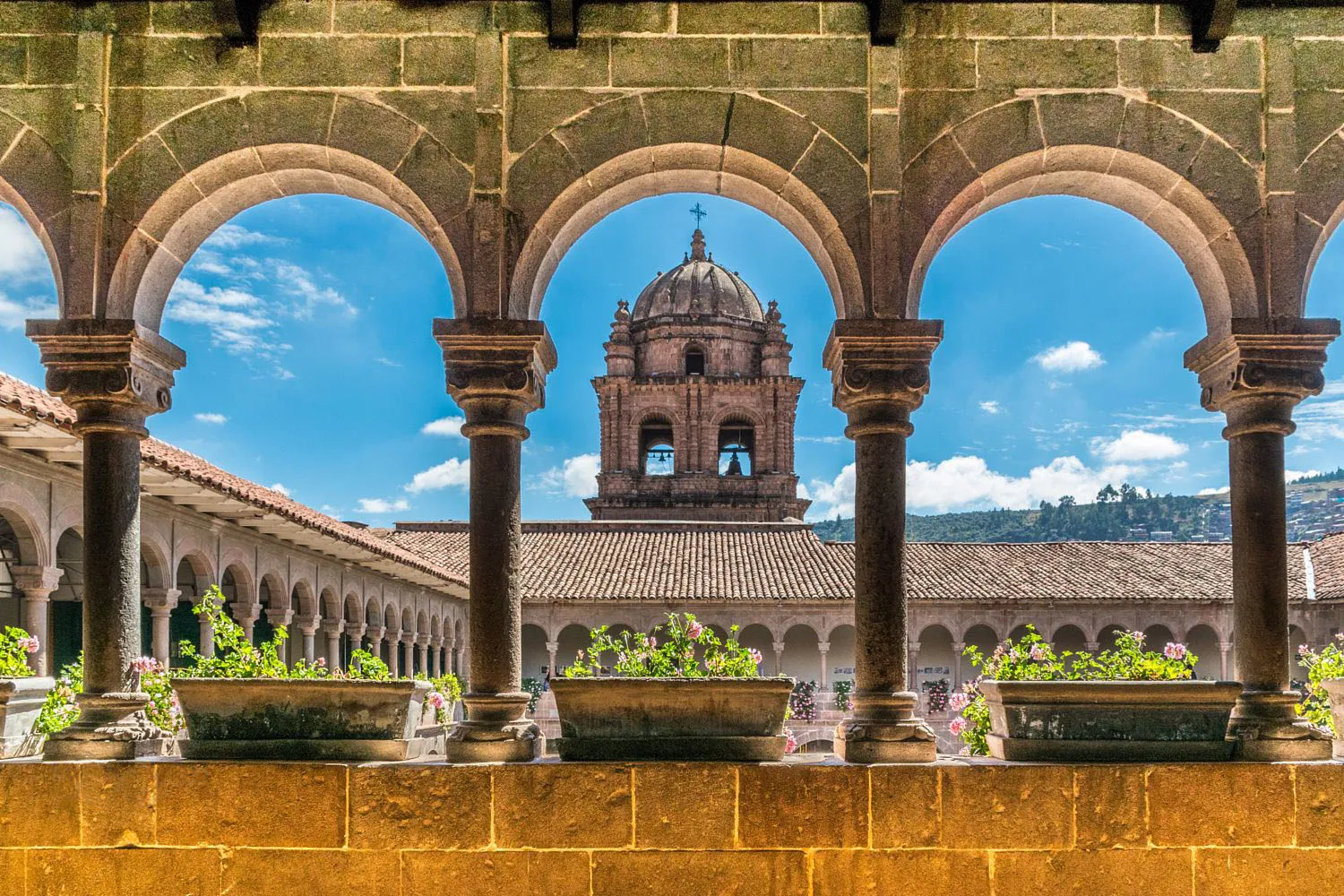
Cusco is a city meant to be explored on foot. Every street holds a story, and as you walk, you feel as though you aren't just "visiting" a city, but rather walking through layers of a living past: the Inca world and the Spanish Baroque, seamlessly blended in stone.That is why, if it is your first time in Cusco, the historic center is one of the best ways to kick off your trip. Additionally, sitting at around 3,400 meters 11,150 feet above sea level, a relaxed stroll helps you acclimate to the altitude, making you feel much better before taking on longer or more demanding excursions.
Published on 27-06-2026, por Inca World
Walking Itinerary: Must-See Highlights
1) Plaza de Armas: The Starting (and Meeting) Point
The journey typically begins in the main square, the Plaza de Armas, which was known as Huacaypata during the Inca empire. Following the Spanish conquest, the space was reshaped, transforming its role within the city. On either side of the square, you will find two key stops: • Cusco Cathedral (Cathedral of the Assumption): Its construction spanned over a century, rising atop the foundations of ancient Inca palaces. Its true value lies in its artistic and cultural wealth, housing masterpieces from the Cusqueña Art School, including one of the most famous Last Supper paintings attributed to Marcos Zapata. • Church of the Society of Jesus: One of the greatest jewels of Andean Baroque architecture. Its facade stands out for its intricate stonework, built directly on the historical site of Huayna Cápac’s former palace.
2) Qorikancha and Hatun Rumiyoc: Where Eras Overlap
This part of the tour clearly showcases the striking contrast between the Inca and colonial eras.
- Qorikancha (Santo Domingo Convent): This was the most sacred temple dedicated to the Sun God in the Tahuantinsuyo. The perfection and precision of the interlocking stone walls can still be admired today. Right over this flawless foundation, the Baroque convent was built, creating a unique visual dialogue between two cultures.
- The 12-Angled Stone (Hatun Rumiyoc): One of the most recognizable landmarks in downtown Cusco. Located on the outer wall of what was once Inca Roca’s palace (now the Archbishop’s Palace), it is world-famous for demonstrating the unparalleled precision of Inca masonry: its corners fit so tightly that it is impossible to slip even a piece of paper between the seams.
3) San Blas: Art, Workshops, and Cobblestone Streets
Heading uphill along narrow cobblestone streets brings you to the San Blas neighborhood (T’oqokachi), an area widely known for its vibrant community of artists and artisans.
- Plazas and workshops: Here, the atmosphere feels like an authentic artisan guild rather than a simple tourist postcard. Families of sculptors and religious imagery makers preserve centuries-old techniques, and it is common to see them working by hand.
- San Blas Temple: While its exterior looks modest and discreet, inside it hides remarkable artistic wealth, most notably its colonial-era pulpit, meticulously carved out of a single piece of cedar wood.
Practical Tips for a Perfect Experience
- Choosing your tour style:
- If you want a more comprehensive experience with less walking, standard city tours combine the historic center with nearby ruins (such as Sacsayhuamán).
- If you prefer total immersion and a local vibe, a dedicated walking tour through the center is your best option. •
- Tickets and entry fees: The Cusco Tourist Ticket (BTC) is generally not required to explore the historic center itself. Sites like the Cathedral and Qorikancha usually require individual entry tickets purchased directly at their ticket offices. The BTC is only necessary if you plan to extend your tour to the surrounding archaeological complexes.
- Footwear: The historic cobblestones can become quite slippery if it rains. Be sure to wear shoes with good grip to walk comfortably.
Frequently Asked Questions
- Do I need to buy the Cusco Tourist Ticket for this tour?
- Not necessarily. For the historic center, it is standard practice to pay for each monument individually at the entrance. The ticket becomes useful if you plan to extend your itinerary to nearby sites like Sacsayhuamán, Q’enqo, Puka Pukara, or Tambomachay.
- What are the visiting hours for the Cathedral and Qorikancha?
- Cusco Cathedral: Monday to Sunday, from 10:00 a. m. to 6:00 p. m. (hours may vary during religious festivals).
- Qorikancha: Monday to Saturday, from 8:30 a. m. to 5:30 p. m.; it is typically closed to tourism on Sundays.
- Am I allowed to take photos or videos inside the temples?
- Inside Qorikancha, photography without flash is generally permitted in designated areas. However, inside the Cathedral and the Church of the Society of Jesus, taking photos or recording videos is strictly prohibited to protect and preserve the historical artwork.
- How long does this walking tour take?
- A complete cultural tour, taken at a relaxed pace, usually lasts between 3 and 4 hours.
- What is the best time of day to do this tour?
- Many travelers prefer the afternoon slot (starting around 2:00 p. m.). The afternoon sunlight beautifully highlights the texture of the Inca walls and the Baroque facades. Plus, ending your stroll in San Blas around sunset offers the perfect atmosphere for photography and a much more pleasant climate.
Cusco is a city meant to be explored on foot. Every street holds a story, and as you walk, you feel as though you aren't just "visiting" a city, but rather walking through layers of a living past: the Inca world and the Spanish Baroque, seamlessly blended in stone.That is why, if it is your first time in Cusco, the historic center is one of the best ways to kick off your trip. Additionally, sitting at around 3,400 meters 11,150 feet above sea level, a relaxed stroll helps you acclimate to the altitude, making you feel much better before taking on longer or more demanding excursions.
Published on 27-06-2026, por Inca World
Walking Itinerary: Must-See Highlights
1) Plaza de Armas: The Starting (and Meeting) Point
The journey typically begins in the main square, the Plaza de Armas, which was known as Huacaypata during the Inca empire. Following the Spanish conquest, the space was reshaped, transforming its role within the city. On either side of the square, you will find two key stops: • Cusco Cathedral (Cathedral of the Assumption): Its construction spanned over a century, rising atop the foundations of ancient Inca palaces. Its true value lies in its artistic and cultural wealth, housing masterpieces from the Cusqueña Art School, including one of the most famous Last Supper paintings attributed to Marcos Zapata. • Church of the Society of Jesus: One of the greatest jewels of Andean Baroque architecture. Its facade stands out for its intricate stonework, built directly on the historical site of Huayna Cápac’s former palace.
2) Qorikancha and Hatun Rumiyoc: Where Eras Overlap
This part of the tour clearly showcases the striking contrast between the Inca and colonial eras.
- Qorikancha (Santo Domingo Convent): This was the most sacred temple dedicated to the Sun God in the Tahuantinsuyo. The perfection and precision of the interlocking stone walls can still be admired today. Right over this flawless foundation, the Baroque convent was built, creating a unique visual dialogue between two cultures.
- The 12-Angled Stone (Hatun Rumiyoc): One of the most recognizable landmarks in downtown Cusco. Located on the outer wall of what was once Inca Roca’s palace (now the Archbishop’s Palace), it is world-famous for demonstrating the unparalleled precision of Inca masonry: its corners fit so tightly that it is impossible to slip even a piece of paper between the seams.
3) San Blas: Art, Workshops, and Cobblestone Streets
Heading uphill along narrow cobblestone streets brings you to the San Blas neighborhood (T’oqokachi), an area widely known for its vibrant community of artists and artisans.
- Plazas and workshops: Here, the atmosphere feels like an authentic artisan guild rather than a simple tourist postcard. Families of sculptors and religious imagery makers preserve centuries-old techniques, and it is common to see them working by hand.
- San Blas Temple: While its exterior looks modest and discreet, inside it hides remarkable artistic wealth, most notably its colonial-era pulpit, meticulously carved out of a single piece of cedar wood.
Practical Tips for a Perfect Experience
- Choosing your tour style:
- If you want a more comprehensive experience with less walking, standard city tours combine the historic center with nearby ruins (such as Sacsayhuamán).
- If you prefer total immersion and a local vibe, a dedicated walking tour through the center is your best option. •
- Tickets and entry fees: The Cusco Tourist Ticket (BTC) is generally not required to explore the historic center itself. Sites like the Cathedral and Qorikancha usually require individual entry tickets purchased directly at their ticket offices. The BTC is only necessary if you plan to extend your tour to the surrounding archaeological complexes.
- Footwear: The historic cobblestones can become quite slippery if it rains. Be sure to wear shoes with good grip to walk comfortably.
Frequently Asked Questions
- Do I need to buy the Cusco Tourist Ticket for this tour?
- Not necessarily. For the historic center, it is standard practice to pay for each monument individually at the entrance. The ticket becomes useful if you plan to extend your itinerary to nearby sites like Sacsayhuamán, Q’enqo, Puka Pukara, or Tambomachay.
- What are the visiting hours for the Cathedral and Qorikancha?
- Cusco Cathedral: Monday to Sunday, from 10:00 a. m. to 6:00 p. m. (hours may vary during religious festivals).
- Qorikancha: Monday to Saturday, from 8:30 a. m. to 5:30 p. m.; it is typically closed to tourism on Sundays.
- Am I allowed to take photos or videos inside the temples?
- Inside Qorikancha, photography without flash is generally permitted in designated areas. However, inside the Cathedral and the Church of the Society of Jesus, taking photos or recording videos is strictly prohibited to protect and preserve the historical artwork.
- How long does this walking tour take?
- A complete cultural tour, taken at a relaxed pace, usually lasts between 3 and 4 hours.
- What is the best time of day to do this tour?
- Many travelers prefer the afternoon slot (starting around 2:00 p. m.). The afternoon sunlight beautifully highlights the texture of the Inca walls and the Baroque facades. Plus, ending your stroll in San Blas around sunset offers the perfect atmosphere for photography and a much more pleasant climate.
News, routes, and expert tips
Explore the latest from our Cusco travel blog. Get practical guides, Machu Picchu updates, and fresh trekking and culture recommendations. Everything you need to travel Cusco safely and stylishly in 2026. Your next Andean story starts here!
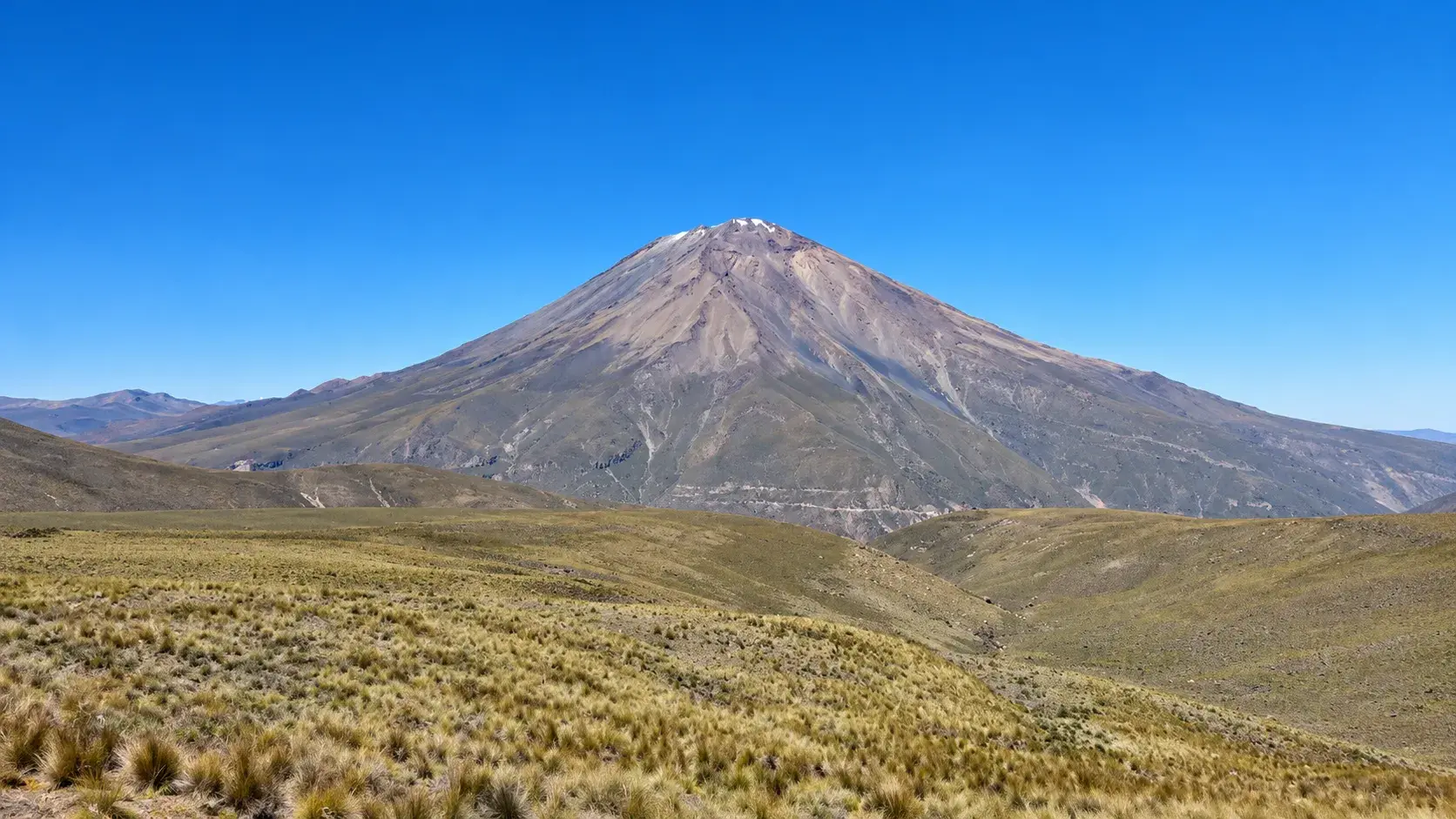
Arequipa’s white color isn’t paint: it’s volcanic stone. Discover the history, architecture, and Andean legacy of a heritage gem standing majestically at the foot of the Misti Volcano, serving as a key starting point in southern Peru.
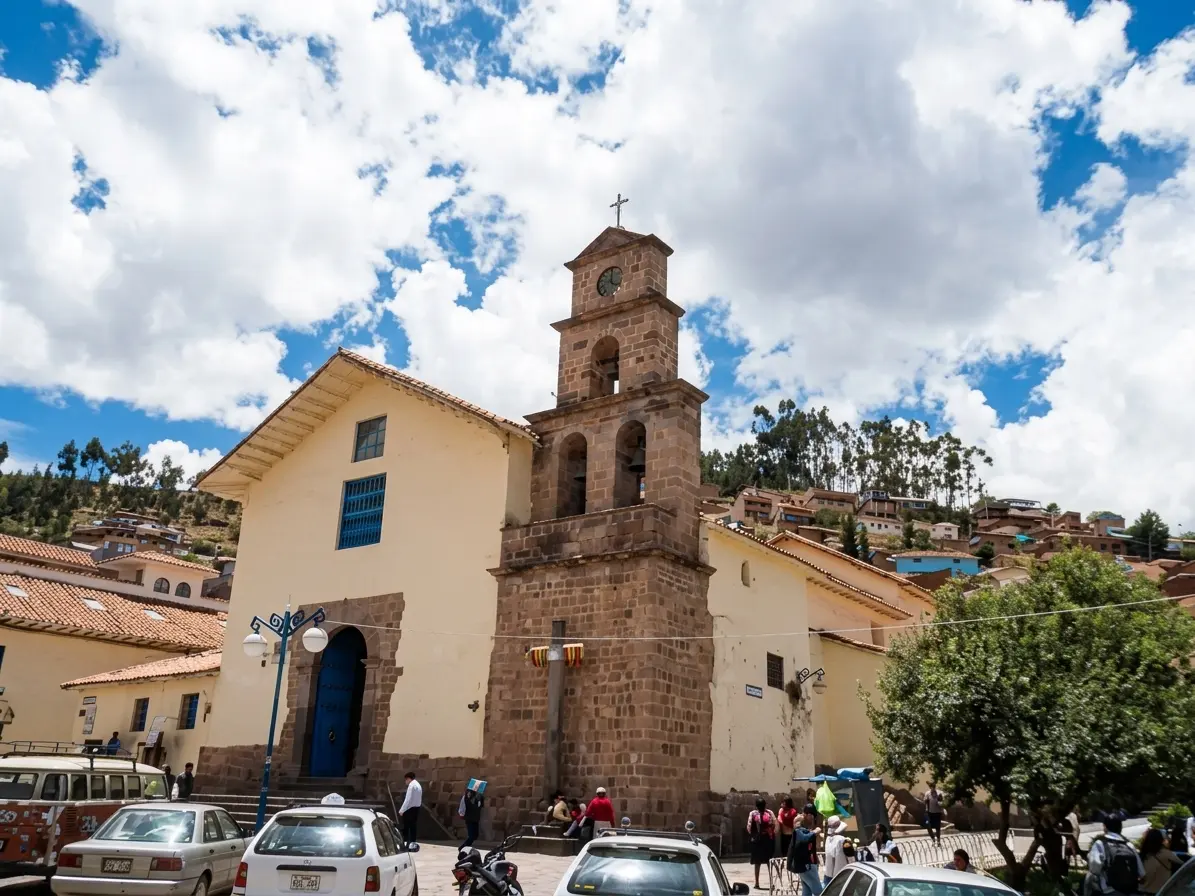
Explore the iconic San Blas neighborhood in Cusco, known as the "Balcony of Cusco" and home to Peru's finest artisans. Discover its rich history from Inca times, how to walk from Plaza de Armas past the 12-Angled Stone, its famous art galleries (Mendívil and Mérida families), panoramic viewpoint, San Blas Church, and Saturday craft market. Plan your walking tour with Inca World Travel.
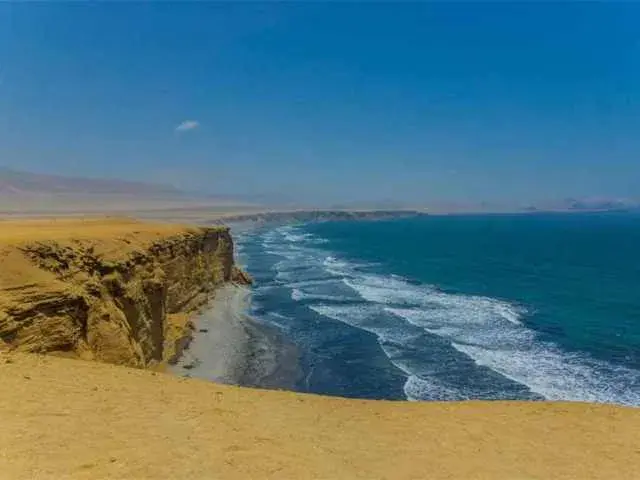
Planning a trip to Ica? Discover the top tourist attractions in Ica, Peru: the iconic Huacachina Oasis, Paracas National Reserve, enigmatic Nazca Lines, the Pisco Route, and Canyon of the Lost. Find key details on location, how to get there from Lima or Cusco, travel times, weather, and top regional museums in this comprehensive travel guide by Inca World Travel.
Are you planning to visit
Machu Picchu in 2026?
We would like to inform our travelers that availability for Circuit 1 and 2 for the months of November, December and January is at 85% of capacity. We recommend booking at least 3 months in advance.
New Circuits and Routes
The Ministry of Culture has consolidated the three main tours. As of 2026, Tour 2 (The Royal Route) remains the only one that allows visitors to take the classic photo from the Guardian’s House. We have adapted all our packages to ensure this access.
Digital Check-In and Biometric Verification
Say goodbye to long check-in lines! Starting this season, entry is faster thanks to the new digital check-in system. Our packages include full management of your personalized tickets to prevent errors on the state platform.
| Circuit | Ideal for... | Clasic photo | Difficulty |
|---|---|---|---|
| Circuit 1 (Panoramic) | High views and photo posts | Yes | Low |
| Circuit 2 (Andean) | Complete circuit through the ruins | Yes | Medium |
| Circuit 3 (Reality) | Persons or reduced movement | No | Very low |
Ask about our Machu Picchu packages
Explore the best of our land
Explore the breathtaking diversity of the Central Andes. From ancient archaeological wonders and surreal high-altitude landscapes to world-class gastronomy and Amazonian adventures, our updated 2026 guides showcase the very best of this premier global destination.