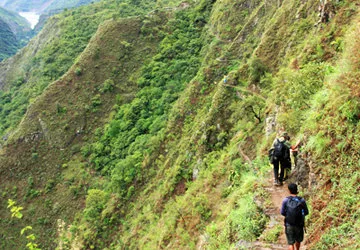
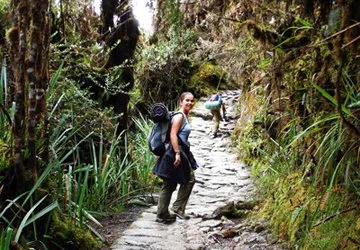
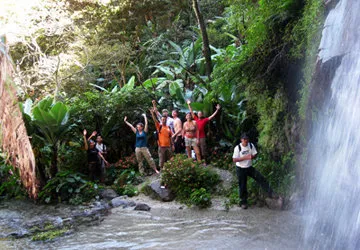
Hiking the Inca Trail to Machu Picchu in southern Peru.

Closed for Repairs: Protecting the Inca Trail to Machu Picchu

Hiking the Inca Trail to Machu Picchu in southern Peru.

The Inca Trail to Machu Picchu will close for the entirety of February this year to allow  sixty specialists & technicians to reforest affected areas, undertake conservation work on the route's 18 archeological monuments and sites, cut overgrown vegetation, tamp down the route, attend to the drainage system, and renovate the campsites and hygienic services.

During most of the year, at any given time, 500 people are hiking the 4-day Classic Inca Trail from the Ollantaytambo district in southern Peru's Sacred Valley of the Incas to the Sun Gate entrance to Machu Picchu Citadel. Of these, 200 have traveled to Cusco in the hopes of visiting Machu Picchu, while the remaining 300 are the porters, cooks, and guides who accompany them. Daily permits for hiking the trail are sold online on a first-come, first-serve basis.  

Even with these limits in place, the iconic route is the most trafficked section of the extensive Inca road and trail system collectively known as the Qapac Ñan. Such traffic can't help but affect the site. In addition to the foot traffic, UNESCO has expressed concerns that Machu Picchu Sanctuary (wherein the trail is located) risks deterioration in the face of deforestation, landslides, uncontrolled urban development and illegal access to the protected area. For these reasons, the director of Machu Picchu Sanctuary, Fernando Asteste, has announced that the trail will close for maintenance, conservation, and cleaning work during the entire month of February this year.

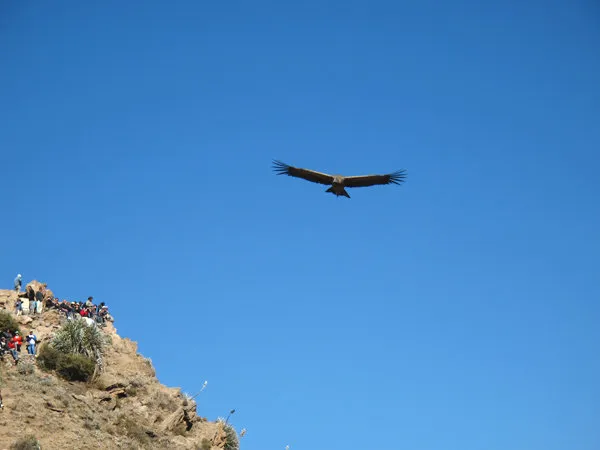
Sixty specialists and technicians will tamp down the route, attend to the drainage system, reforest affected areas, undertake conservation work on the route's 18 archeological monuments and sites, cut overgrown vegetation, and renovate the campsites and hygienic services. Their work is of incalculable importance, as it seeks not only to maintain the World Heritage Site for future generations to enjoy, but also to aid in the protection of the sanctuary's varied endangered species (most notably the spectacled bear, the Andean cock of the rock, and the Andean condor) and hundreds of rare orchid varieties. As the Sanctuary spans the dramatic meeting of the Amazon Basin with the Peruvian Andes, and the trail passes through important ecosystems such as the cloud forest and high-altitude rain forest, there's a lot to protect.

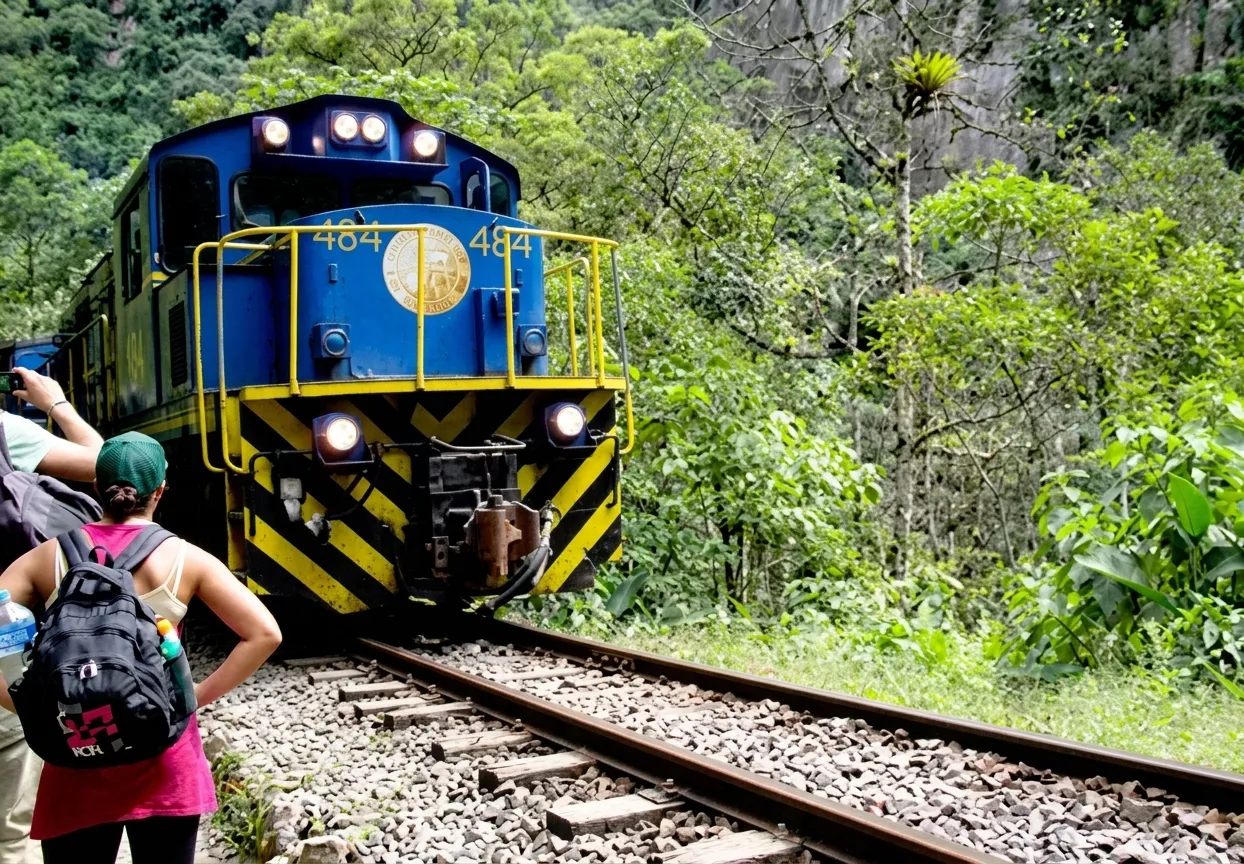
Despite the closing of the 26-mile route, the Machu Picchu archeological site itself will remain open throughout February for visitors who arrive by train to Machu Picchu Pueblo (also known as Aguas Calientes), and then continue on to ruins by bus.
The Inca Trail to Machu Picchu will close for the entirety of February this year to allow  sixty specialists & technicians to reforest affected areas, undertake conservation work on the route's 18 archeological monuments and sites, cut overgrown vegetation, tamp down the route, attend to the drainage system, and renovate the campsites and hygienic services.

During most of the year, at any given time, 500 people are hiking the 4-day Classic Inca Trail from the Ollantaytambo district in southern Peru's Sacred Valley of the Incas to the Sun Gate entrance to Machu Picchu Citadel. Of these, 200 have traveled to Cusco in the hopes of visiting Machu Picchu, while the remaining 300 are the porters, cooks, and guides who accompany them. Daily permits for hiking the trail are sold online on a first-come, first-serve basis.  

Even with these limits in place, the iconic route is the most trafficked section of the extensive Inca road and trail system collectively known as the Qapac Ñan. Such traffic can't help but affect the site. In addition to the foot traffic, UNESCO has expressed concerns that Machu Picchu Sanctuary (wherein the trail is located) risks deterioration in the face of deforestation, landslides, uncontrolled urban development and illegal access to the protected area. For these reasons, the director of Machu Picchu Sanctuary, Fernando Asteste, has announced that the trail will close for maintenance, conservation, and cleaning work during the entire month of February this year.

Sixty specialists and technicians will tamp down the route, attend to the drainage system, reforest affected areas, undertake conservation work on the route's 18 archeological monuments and sites, cut overgrown vegetation, and renovate the campsites and hygienic services. Their work is of incalculable importance, as it seeks not only to maintain the World Heritage Site for future generations to enjoy, but also to aid in the protection of the sanctuary's varied endangered species (most notably the spectacled bear, the Andean cock of the rock, and the Andean condor) and hundreds of rare orchid varieties. As the Sanctuary spans the dramatic meeting of the Amazon Basin with the Peruvian Andes, and the trail passes through important ecosystems such as the cloud forest and high-altitude rain forest, there's a lot to protect.

Despite the closing of the 26-mile route, the Machu Picchu archeological site itself will remain open throughout February for visitors who arrive by train to Machu Picchu Pueblo (also known as Aguas Calientes), and then continue on to ruins by bus.
News, routes, and expert tips

Explore the latest from our Cusco travel blog. Get practical guides, Machu Picchu updates, and fresh trekking and culture recommendations. Everything you need to travel Cusco safely and stylishly in 2026. Your next Andean story starts here!

Inca World Traveñ 48 km on foot: How to reach the Señor de Huanca in Cusco

Every September 14, thousands of people walk 48 kilometers from the city of Cusco to the sanctuary of the Señor de Huanca, in the district of San Salvador, province of Calca, at 3,100 m.a.s.l. It is neither a tourist trekking trip nor an organized tour: it is a genuine pilgrimage that sets off at night from San Jerónimo and arrives at dawn on the main day. Here we explain the route, what it physical demands, and why this tradition continues to draw devotees from all over Peru and neighboring countries.

Carla Colon How to Get to Machu Picchu: Complete Guide by Train, Bus, or Hiking

Planning your trip to Peru? Discover the best ways to reach Machu Picchu from Cusco. Compare options by train, bus, budget routes, and legendary trekking trails like the Inca Trail and Salkantay.

Inca World Travel Your ticket to Machu Picchu cannot be lent: What you need to know before the holiday

With the national holiday on August 6 (Battle of Junín) right around the corner, many travelers are organizing last-minute visits to Machu Picchu. Before buying, there is a rule that causes more trouble than it seems: the ticket is personal, unique, and non-transferable. Learn how this rule works at the checkpoint, why you cannot give your ticket away, and how to avoid inconveniences to enjoy your trip to the sanctuary with complete peace of mind.

Are you planning to visit
Machu Picchu in 2026?

We would like to inform our travelers that availability for Circuit 1 and 2 for the months of September, October and November is at 85% of capacity. We recommend booking at least 3 months in advance.

New Circuits and Routes

The Ministry of Culture has consolidated the three main tours. As of 2026, Tour 2 (The Royal Route) remains the only one that allows visitors to take the classic photo from the Guardian’s House. We have adapted all our packages to ensure this access.

Digital Check-In and Biometric Verification

Say goodbye to long check-in lines! Starting this season, entry is faster thanks to the new digital check-in system. Our packages include full management of your personalized tickets to prevent errors on the state platform.

Circuit Ideal for... Clasic photo Difficulty
Circuit 1 (Panoramic) High views and photo posts Yes Low
Circuit 2 (Andean) Complete circuit through the ruins Yes Medium
Circuit 3 (Reality) Persons or reduced movement No Very low

Ask about our Machu Picchu packages

Explore the best of our land

Explore the breathtaking diversity of the Central Andes. From ancient archaeological wonders and surreal high-altitude landscapes to world-class gastronomy and Amazonian adventures, our updated 2026 guides showcase the very best of this premier global destination.