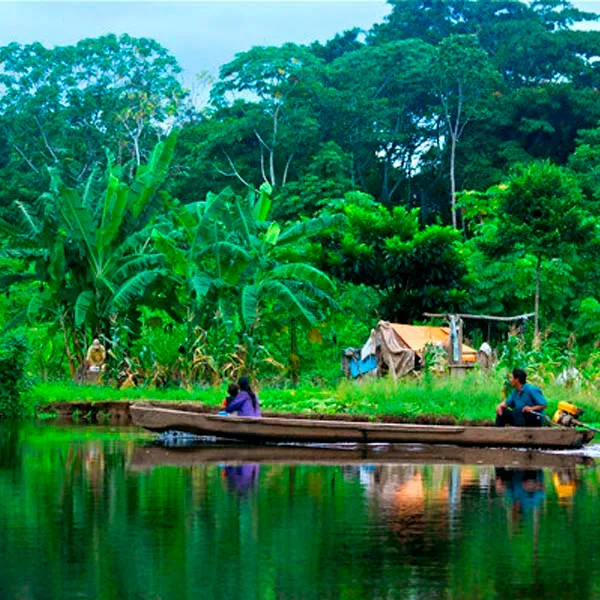

Inca Walls uncovered near the Main Square of Cusco


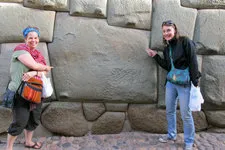

During renovations along the principal street leading into Cusco's main square, workers uncovered Incan walls, some small steps, and a water duct dating back to 1905. Among the telephone lines and water pipes, ceramic fragments were also found, along with scattered Incan stones that had been used in earlier versions of the street, under whose base runs the Saphy River. You might be surprised to know that the work will continue, and...
Published on 18-08-2014, por Inca World
During renovations along Mantas Street, the principal street leading into Cusco's main square, workers uncovered Incan walls, some small steps, and a water duct dating back to 1905. Among the telephone lines and water pipes, ceramic fragments were also found, along with scattered Incan stones that had been used in earlier versions of the street, under whose base runs the Saphy River. You might be surprised to know that the work will continue, and the walls carefully recovered after some academic study.
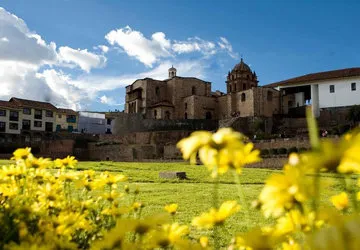
Cusco's city center, after all, already boasts a wealth Incan architecture. The juxtaposition of modern and colonial structures alongside ancient pre-Columbian stonework is what gives Cusco its unique personality.
The modern-day Plaza de Armas, or main square, was also the center of the city during Incan times. The tell-tale precisely fitted stones of old royal palaces now form the base of colonial buildings and give the city a millennial air. As you tour the Cathedral (which was built where the palace of Viracocha stood), the Santa Catalina Monastery (built where the Acllahuasi, the temple of virgins), remains of a more ancient past can be seen.
The highlight of most tours of Cusco is Santo Domingo Church, built upon the base of Qorikancha Sun Temple. Qoricancha was the religious center of the empire, with all of the roads of Tahuantinsuyo converging at its point. It was built to honor the supreme sun deity, Inti, and despite having received a legendary sacking upon the arrival of the Spanish, many intriguing parts of the temple remain to this day.
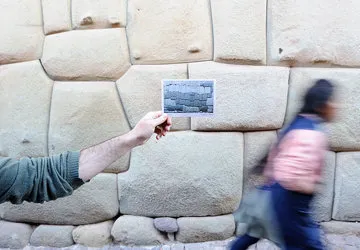
Perhaps the best example in Cusco of the famed Incan stone-working skills is Hatunrumiyoc, the twelve-angle stone found in an Inca wall that once belonged to the palace of Inca Roca. You'll walk along this street when walking towards San Blas neighborhood from the Plaza de Armas. Each angle of the stone has been precisely fitted with the surrounding stones, which is a hallmark of Incan stonework. The stones have been contoured to create a pillowy look, a technique reserved only for the most important Incan buildings.
News, routes, and expert tips
Explore the latest from our Cusco travel blog. Get practical guides, Machu Picchu updates, and fresh trekking and culture recommendations. Everything you need to travel Cusco safely and stylishly in 2026. Your next Andean story starts here!
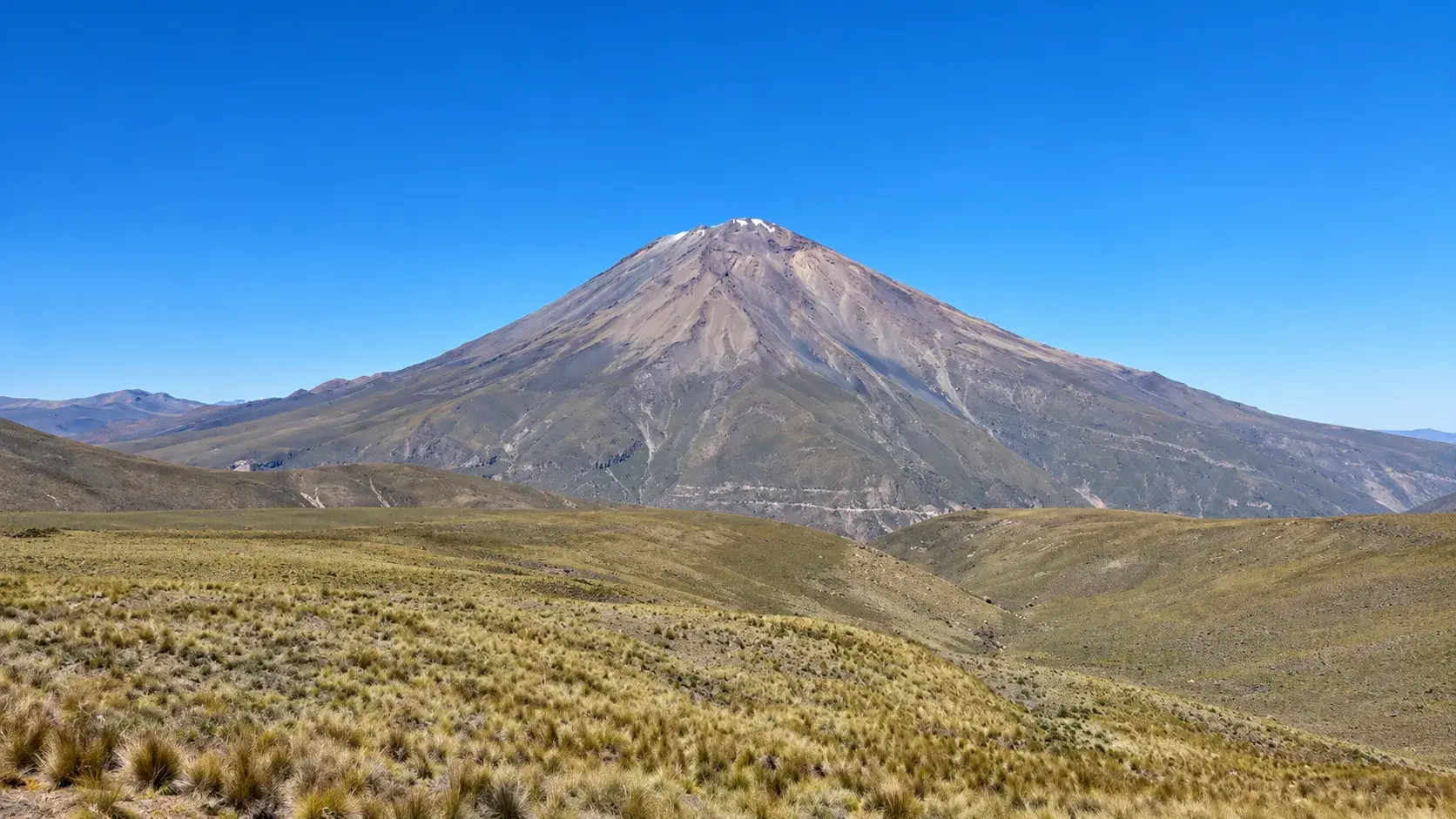
Arequipa’s white color isn’t paint: it’s volcanic stone. Discover the history, architecture, and Andean legacy of a heritage gem standing majestically at the foot of the Misti Volcano, serving as a key starting point in southern Peru.
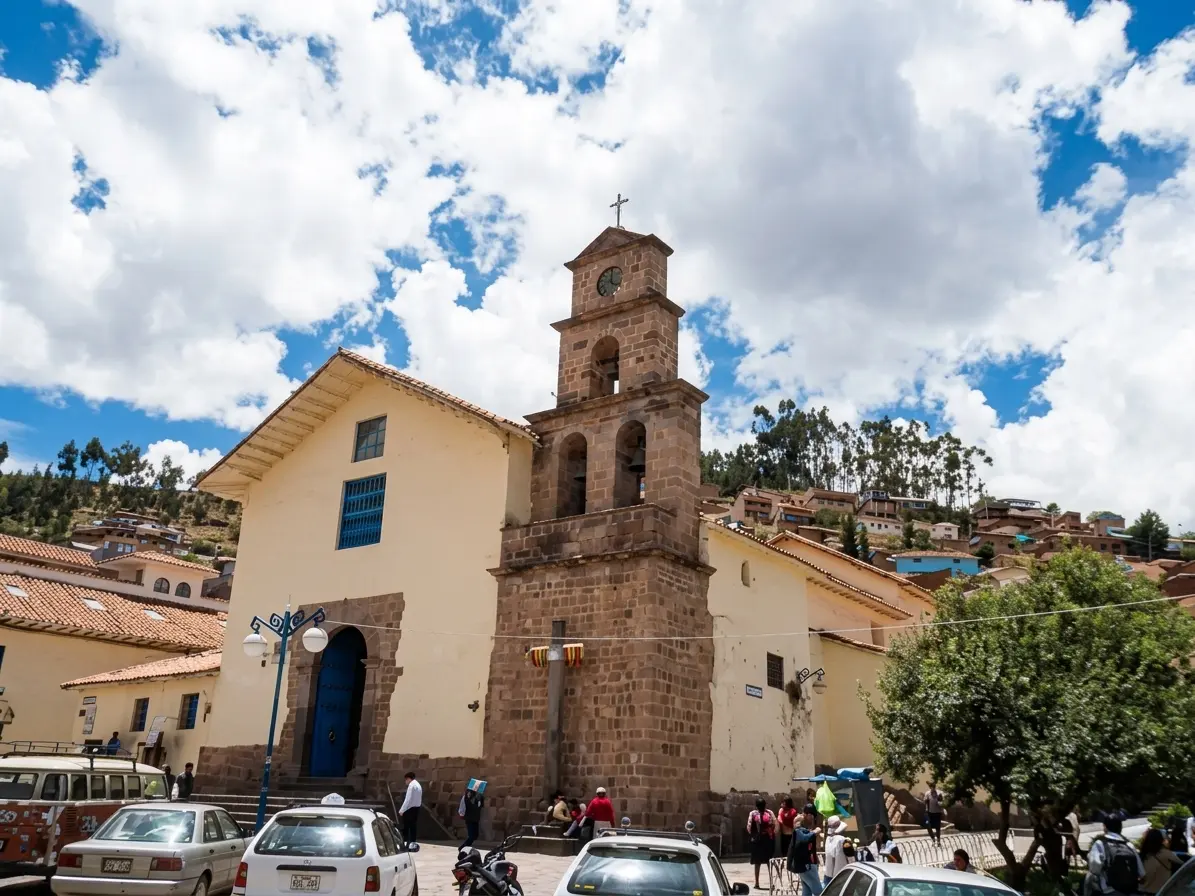
Explore the iconic San Blas neighborhood in Cusco, known as the "Balcony of Cusco" and home to Peru's finest artisans. Discover its rich history from Inca times, how to walk from Plaza de Armas past the 12-Angled Stone, its famous art galleries (Mendívil and Mérida families), panoramic viewpoint, San Blas Church, and Saturday craft market. Plan your walking tour with Inca World Travel.
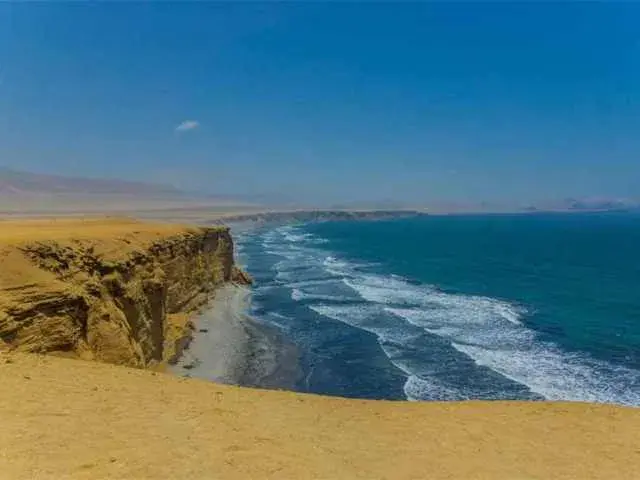
Planning a trip to Ica? Discover the top tourist attractions in Ica, Peru: the iconic Huacachina Oasis, Paracas National Reserve, enigmatic Nazca Lines, the Pisco Route, and Canyon of the Lost. Find key details on location, how to get there from Lima or Cusco, travel times, weather, and top regional museums in this comprehensive travel guide by Inca World Travel.
Are you planning to visit
Machu Picchu in 2026?
We would like to inform our travelers that availability for Circuit 1 and 2 for the months of November, December and January is at 85% of capacity. We recommend booking at least 3 months in advance.
New Circuits and Routes
The Ministry of Culture has consolidated the three main tours. As of 2026, Tour 2 (The Royal Route) remains the only one that allows visitors to take the classic photo from the Guardian’s House. We have adapted all our packages to ensure this access.
Digital Check-In and Biometric Verification
Say goodbye to long check-in lines! Starting this season, entry is faster thanks to the new digital check-in system. Our packages include full management of your personalized tickets to prevent errors on the state platform.
| Circuit | Ideal for... | Clasic photo | Difficulty |
|---|---|---|---|
| Circuit 1 (Panoramic) | High views and photo posts | Yes | Low |
| Circuit 2 (Andean) | Complete circuit through the ruins | Yes | Medium |
| Circuit 3 (Reality) | Persons or reduced movement | No | Very low |
Ask about our Machu Picchu packages
Explore the best of our land
Explore the breathtaking diversity of the Central Andes. From ancient archaeological wonders and surreal high-altitude landscapes to world-class gastronomy and Amazonian adventures, our updated 2026 guides showcase the very best of this premier global destination.