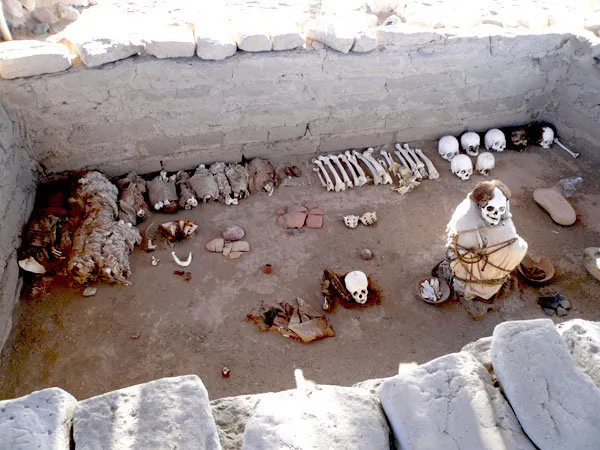
Exploring the small Paredones ruins in Nazca, Peru

Incan Walls & Tomb Uncovered in Nazca

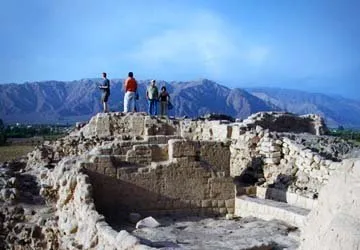
New findings at the Paredones archeological site just outside of the city of Nazca suggests that the site not only housed important Incan authority figures, but also featured stone structures which must have been made by stoneworkers from the imperial capital, Cusco. These findings include a tomb with tell-tale offerings and Incan walls of carved, polished stone, the likes of which have not been seen along the coast before.

Exploring the small Paredones ruins in Nazca, Peru
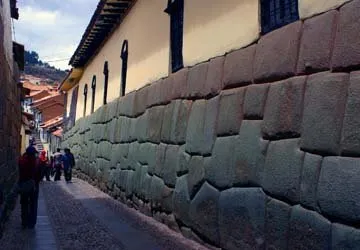
Hatunrumiyoc, an original Inca wall in Cusco, Peru
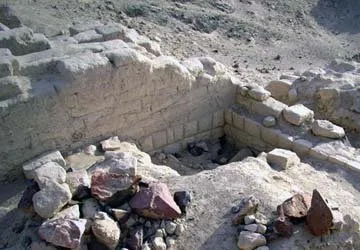
Adobe mudbrick walls at Paredones near Nazca city.

Peru's Nazca province holds its share of mysteries presented by the Nazca Lines, the nearby Cahuachi pyramids, and the mummies of Chauchillas. These pertain to the sophisticated Paracas and Nazca civilizations, but the Incas also left their mark upon the territory.

Although plenty of constructions have been found along the Peruvian coast, these tend to be made of adobe mudbrick. A new find announced in Nazca province, at the small Paredones archaeological site, has defied expectation: Incan walls whose stones have been chiseled in a similar style to those of Machu Picchu, in a style considered to belong to the Cusco region. The dig's director Giuseppe Orefici asserted definitively that the team "can confirm that we're dealing with specialist carvers that were specially brought from Cusco to do this job and raise these walls." It is possible that the stones used in the construction may have been brought from a highland quarry just for this purpose.

Along with the walls, the tomb of a man of around 40 years old was found. Offerings near the tomb and other evidence at the site suggests that the man was an important figure, and that high-ranking elites must have occupied the site at some time. The area is believed to have been an administrative and ceremonial center for the Inca Empire, constructed to exercise control over the area.

The Paredones site is found 2km from Nazca city proper, along the road to Cusco. Inhabited in the fourteen- and fifteen-hundreds, its Inca name was Caxamarca, and it was constructed to exercise control over the area and to be a link between the mountains and the coast.
News, routes, and expert tips

Explore the latest from our Cusco travel blog. Get practical guides, Machu Picchu updates, and fresh trekking and culture recommendations. Everything you need to travel Cusco safely and stylishly in 2026. Your next Andean story starts here!

Carla Colon Sistine Chapel of the Americas

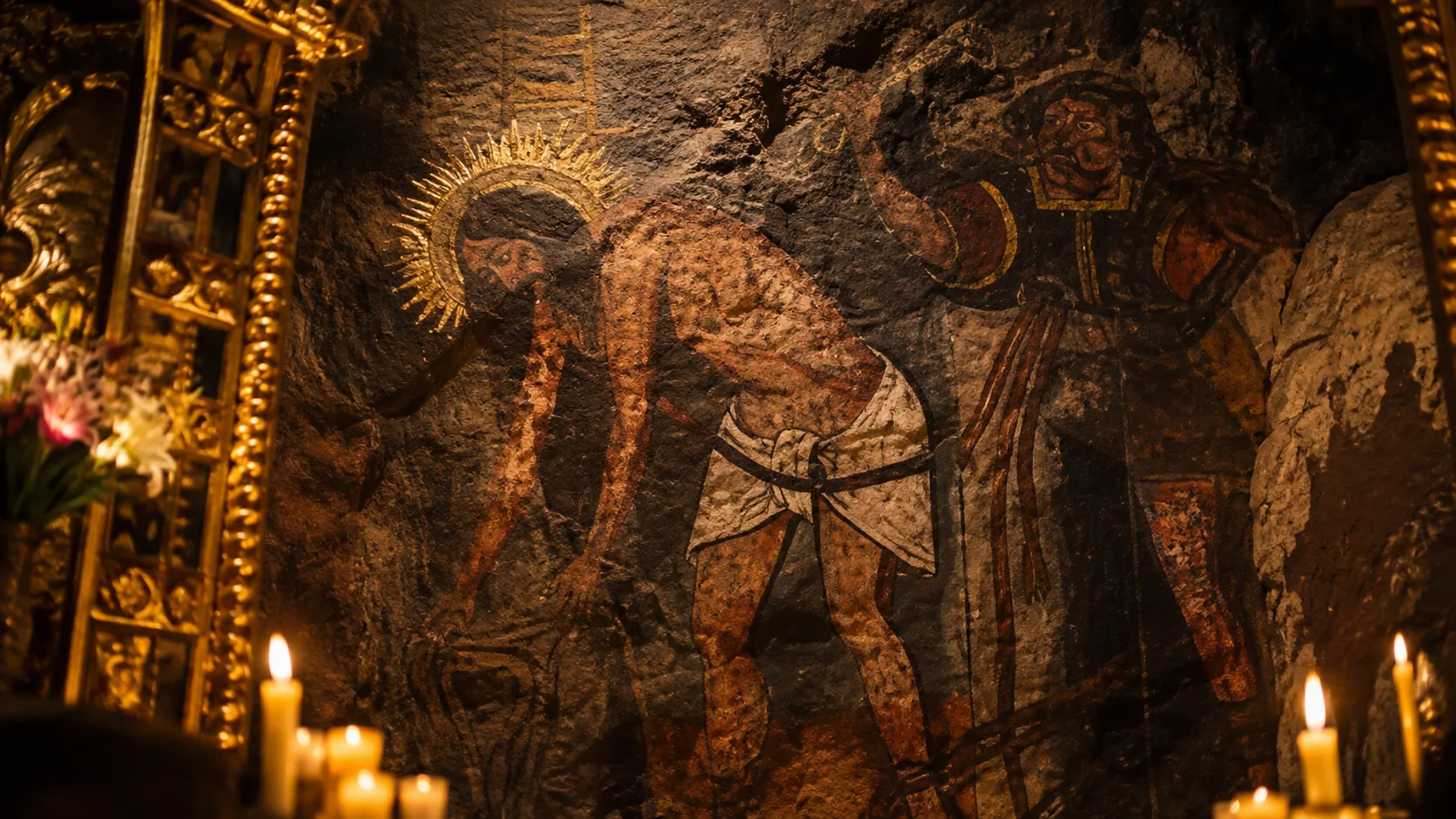
After four years and US$1.5 million, the restoration of the Church of San Pedro in the remote Andean village of Andahuaylillas, a priceless colonial art treasure showcasing the "Andean Baroque", has been completed. With the backing of the World Monuments Fund and regional and national authorities, restorers tackled the ill effects of earthquakes, shoddy restorations, centuries of grime and even bat droppings.

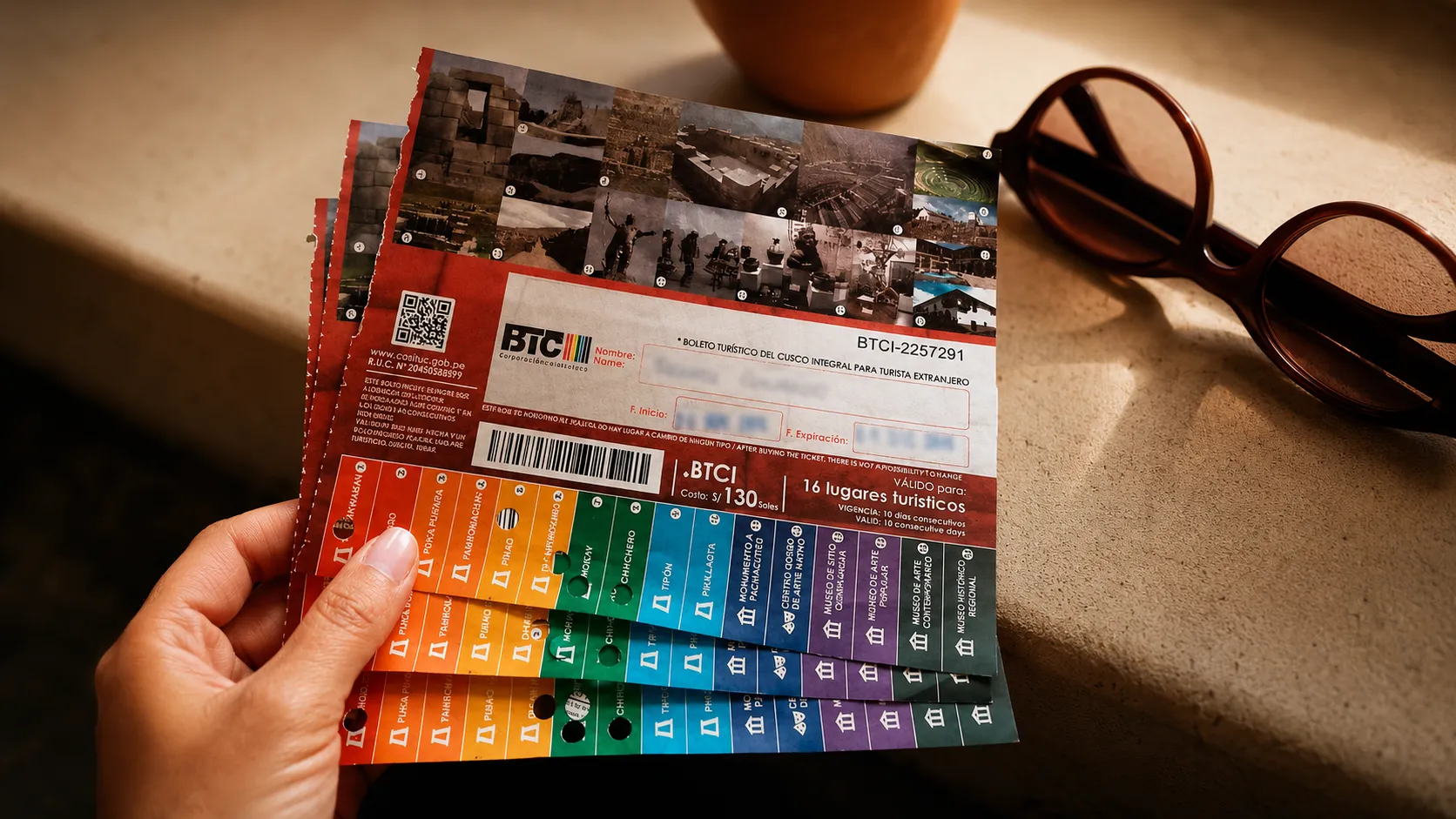
Inca World Announce Electronic Tourist Ticket in Cusco

The Committee of Integrated Tourist Services (Cosituc) is working on modernizing the sale and purchase of the tourist Ticket

Carla Colon Experience Colonial Lima at the Invita Peru Food Fair this Month

This fourth annual Invita Perú gastronomic festival will take place from July 25th through August 3rd, with S/10 entry tickets already available through Teleticket. This year's theme is the colonial epoch, which means that you will be able to enjoy the most traditional foods, sweets, and drinks of Lima. There'll also be free classes and  outdoor concerts.

Explore the best of our land

Explore the breathtaking diversity of the Central Andes. From ancient archaeological wonders and surreal high-altitude landscapes to world-class gastronomy and Amazonian adventures, our updated 2026 guides showcase the very best of this premier global destination.