Newly discovered Nazca Line Geoglyph in Peru

National Geographic Reveals Newly Discovered Figure in the Nazca Lines

The spider, the monkey, the hummingbird: the ancient geoglyphs known as the Nazca Lines have impressed themselves upon popular consciousness thanks to appearances in numerous books, films and movies since their discovery almost ninety years ago. But as familiar as these evocative figures can seem today, surprising discoveries are still being made.

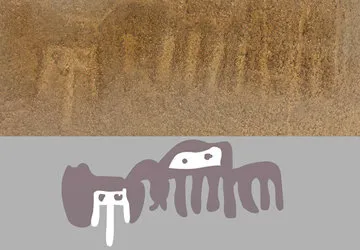
Newly discovered Nazca Line Geoglyph in Peru
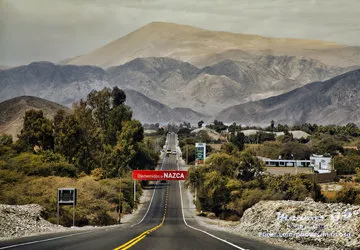
Arriving at the city of Nazca in Peru
In the Nazca desert in Peru

The spider, the monkey, the hummingbird: the ancient geoglyphs known as the Nazca Lines have impressed themselves upon popular consciousness thanks to appearances in numerous books, films and movies since their discovery almost ninety years ago. But as familiar as these evocative figures can seem today, surprising discoveries are still being made.

Last week, National Geographic announced that among the hundreds of individual geometric figures and figures representing plants and animals, a previously unknown figure has been discovered.

This seems to be part of a trend, as a Japanese team from Yamagata University announced the discovery of two new figures in 2011, anthropomorphic figures in a state of decapitation. They opened a research center at the site the following year, committing themselves to 15 years of field work and study. Archaeologist Masato Sakai, from the Yamagata University team, described the newest discovery as a long-tongued animal of more than 30 meters in length. Released images show a head with protruding head on the left part of the figure and a body and legs on the right part of the figure. It doesn't appear to be a representation of a real animal, but rather a mythological one.

The newer figures are located along what was once the route leading to Cahauchi Pilgrimage Site, which preceded the Nazca culture but was also very central to it.

Our knowledge of the Nazca Lines is limited. We know that the designs were created between 500 BC and 500 AD, that they were made by removing the surface level of reddish pebbles to reveal the white ground beneath, and that they probably had some sort of religious significance. They cover more than 50 miles of the floor of the arid Nazca desert and attract thousands of visitors a year.

Although isolation and an arid environment protected the lines for millennia, the site is currently considered to be under threat from squatters, pollution, erosion caused by deforestation in the region, and increasingly erratic weather. Viktoria Nikitzki, of the Maria Reiche Centre, underscored the Lines' vulnerability, asserting that "the Lines themselves are superficial; they are only 10 to 30 cm deep and could be washed away... Nazca has only ever received a small amount of rain. But now there are great changes to the weather all over the world. The Lines cannot resist heavy rain without being damaged." With flooding and mudslides affecting the area during different periods in the last ten years, the lines have had to support more than just rain, and the future is uncertain. Travelers who have dreamt of flying over the Nazca Lines should keep in mind that it's considered an endangered site- we recommend you not to wait.
News, routes, and expert tips

Explore the latest from our Cusco travel blog. Get practical guides, Machu Picchu updates, and fresh trekking and culture recommendations. Everything you need to travel Cusco safely and stylishly in 2026. Your next Andean story starts here!

Inca World Travel How to Travel from Pisco to Cusco: Flights, Routes, and Travel Tips

Are you planning your trip to Peru and want to combine the magic of the Ica Desert with the majesty of the Andes? Connecting the southern coast with the heart of the world is one of the best decisions you can make.

Here, we’ll tell you everything you need to know about the route from Pisco to Cusco, flight options, and how to plan your itinerary so you don’t miss a thing.

Inca World Travel Chiriuchu in Cusco: A Guide to Tasting the Signature Dish During the June Festivals

If you're lucky enough to visit the land of the Incas in June, you'll instantly realize that Cusco brings more to the table than just music, traditional dances, and colorful parades. There’s something else in the air—a rich, savory, and roasted aroma wafting from the main plazas, drawing both locals and travelers to lively, makeshift dining tables.

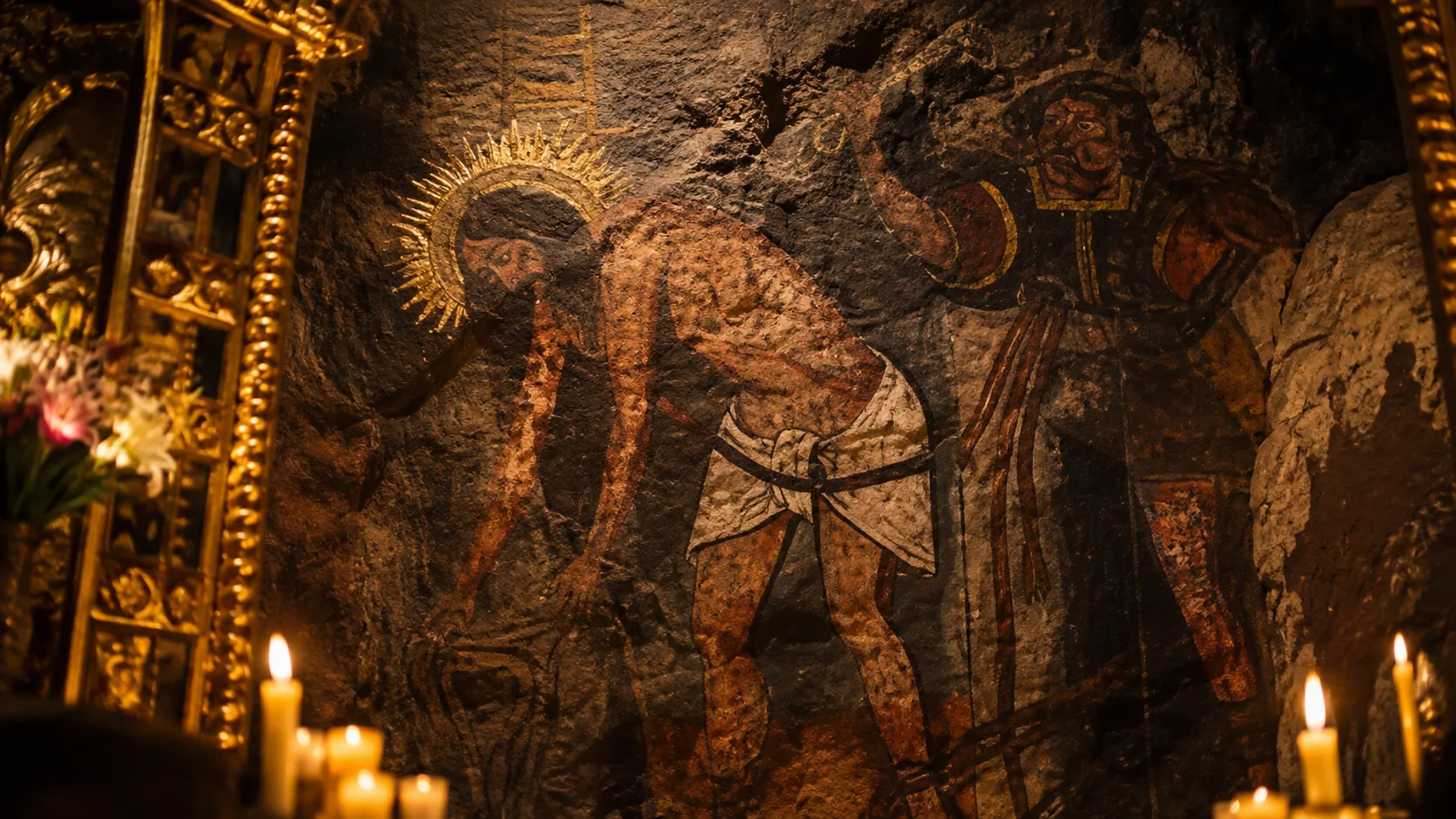
Carla Colon Sistine Chapel of the Americas

After four years and US$1.5 million, the restoration of the Church of San Pedro in the remote Andean village of Andahuaylillas, a priceless colonial art treasure showcasing the "Andean Baroque", has been completed. With the backing of the World Monuments Fund and regional and national authorities, restorers tackled the ill effects of earthquakes, shoddy restorations, centuries of grime and even bat droppings.

Are you planning to visit
Machu Picchu in 2026?

We would like to inform our travelers that availability for Circuit 1 and 2 for the months of June, July, and August is at 85% of capacity. We recommend booking at least 3 months in advance.

New Circuits and Routes

The Ministry of Culture has consolidated the three main tours. As of 2026, Tour 2 (The Royal Route) remains the only one that allows visitors to take the classic photo from the Guardian’s House. We have adapted all our packages to ensure this access.

Digital Check-In and Biometric Verification

Say goodbye to long check-in lines! Starting this season, entry is faster thanks to the new digital check-in system. Our packages include full management of your personalized tickets to prevent errors on the state platform.

Circuit Ideal for... Clasic photo Difficulty
Circuit 1 (Panoramic) High views and photo posts Yes Low
Circuit 2 (Andean) Complete circuit through the ruins Yes Medium
Circuit 3 (Reality) Persons or reduced movement No Very low

Ask about our Machu Picchu packages

Explore the best of our land

Explore the breathtaking diversity of the Central Andes. From ancient archaeological wonders and surreal high-altitude landscapes to world-class gastronomy and Amazonian adventures, our updated 2026 guides showcase the very best of this premier global destination.