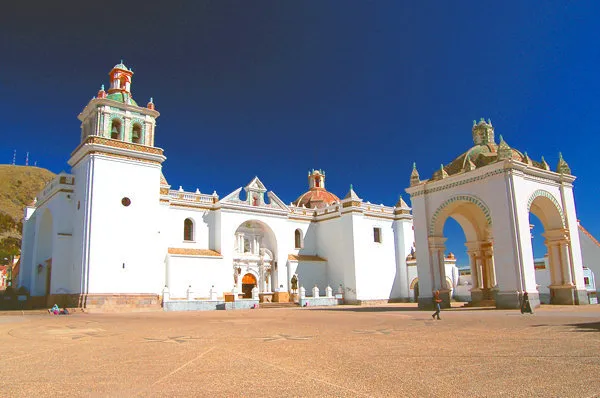
The main square of Arequipa city proper in Peru

Newly Discovered Inca Road in Arequipa, Peru

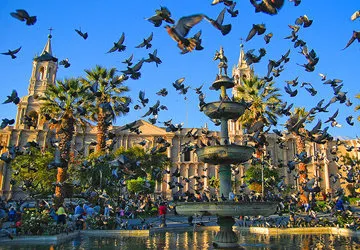
The main square of Arequipa city proper in Peru
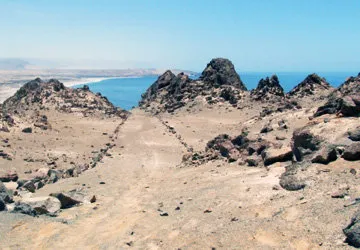
Newly discovered Inca Trail in the province of Arequipa
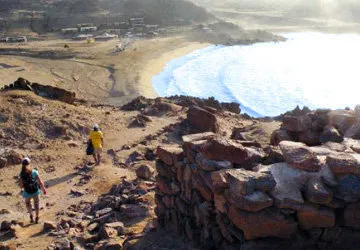
Part of the Inca trail connecting Cusco to the sea

Archaeologists investigating the Inca road network, in the Arequipa province of Caraveli have announced the discovery of an overlooked segment along the coast...

Archaeologists investigating the Inca road network, in the Arequipa province of Caraveli have announced the discovery of an overlooked segment along the coast. The researchers who made the discovery are working together on the Qhapaq Ñan project, which combines cultural and archaeological studies to investigate the network of Inca roads. (Qhapaq Ñan was the name of the road network during Inca times; it's Quechua for Royal Road.) They were searching for the missing link explaining how it was possible that the Inca elite in Cusco ate fresh saltwater fish regularly, as the early chronicles relate. As the former imperial capital of Cusco is nestled in the high Andes, with no nearby sea, the question was: along what route was the fish delivered?

The entirety of the Inca empire was known as Tahuantinsuyo, wherein each region was a suyo. Arequipa falls into the Konsituyo region. According to project member Guido Casaverde, the road is believed to have connected the Acari district's Tambo Viejo administrative center to the Atico's district El Tambo Inca site.
Archaeologists investigating the Inca road network, in the Arequipa province of Caraveli have announced the discovery of an overlooked segment along the coast. The researchers who made the discovery are working together on the Qhapaq Ñan project, which combines cultural and archaeological studies to investigate the network of Inca roads. (Qhapaq Ñan was the name of the road network during Inca times; it's Quechua for Royal Road.) They were searching for the missing link explaining how it was possible that the Inca elite in Cusco ate fresh saltwater fish regularly, as the early chronicles relate. As the former imperial capital of Cusco is nestled in the high Andes, with no nearby sea, the question was: along what route was the fish delivered?

The entirety of the Inca empire was known as Tahuantinsuyo, wherein each region was a suyo. Arequipa falls into the Konsituyo region. According to project member Guido Casaverde, the road is believed to have connected the Acari district's Tambo Viejo administrative center to the Atico's district El Tambo Inca site.
Archaeologists investigating the Inca road network, in the Arequipa province of Caraveli have announced the discovery of an overlooked segment along the coast...

Archaeologists investigating the Inca road network, in the Arequipa province of Caraveli have announced the discovery of an overlooked segment along the coast. The researchers who made the discovery are working together on the Qhapaq Ñan project, which combines cultural and archaeological studies to investigate the network of Inca roads. (Qhapaq Ñan was the name of the road network during Inca times; it's Quechua for Royal Road.) They were searching for the missing link explaining how it was possible that the Inca elite in Cusco ate fresh saltwater fish regularly, as the early chronicles relate. As the former imperial capital of Cusco is nestled in the high Andes, with no nearby sea, the question was: along what route was the fish delivered?

The entirety of the Inca empire was known as Tahuantinsuyo, wherein each region was a suyo. Arequipa falls into the Konsituyo region. According to project member Guido Casaverde, the road is believed to have connected the Acari district's Tambo Viejo administrative center to the Atico's district El Tambo Inca site.
Archaeologists investigating the Inca road network, in the Arequipa province of Caraveli have announced the discovery of an overlooked segment along the coast. The researchers who made the discovery are working together on the Qhapaq Ñan project, which combines cultural and archaeological studies to investigate the network of Inca roads. (Qhapaq Ñan was the name of the road network during Inca times; it's Quechua for Royal Road.) They were searching for the missing link explaining how it was possible that the Inca elite in Cusco ate fresh saltwater fish regularly, as the early chronicles relate. As the former imperial capital of Cusco is nestled in the high Andes, with no nearby sea, the question was: along what route was the fish delivered?

The entirety of the Inca empire was known as Tahuantinsuyo, wherein each region was a suyo. Arequipa falls into the Konsituyo region. According to project member Guido Casaverde, the road is believed to have connected the Acari district's Tambo Viejo administrative center to the Atico's district El Tambo Inca site.
News, routes, and expert tips

Explore the latest from our Cusco travel blog. Get practical guides, Machu Picchu updates, and fresh trekking and culture recommendations. Everything you need to travel Cusco safely and stylishly in 2026. Your next Andean story starts here!

Inca World Travel Seven Natural Wonders Hidden By Peru Discover Now

Ready to explore beyond Machu Picchu? Discover the 7 natural wonders of Peru, a country brimming with hidden ecological treasures. From deep turquoise lagoons and the famous rainbow mountain of colors to surreal stone forests and vast rivers, these stunning destinations are waiting for you. Get ready to dive into the raw, untouched beauty of South America!

Inca World Historic Center of Cusco Tours: The Ideal Cultural Walking Itinerary

Cusco is a city meant to be explored on foot. Every street holds a story, and as you walk, you feel as though you aren't just "visiting" a city, but rather walking through layers of a living past: the Inca world and the Spanish Baroque, seamlessly blended in stone.That is why, if it is your first time in Cusco, the historic center is one of the best ways to kick off your trip. Additionally, sitting at around 3,400 meters 11,150 feet above sea level, a relaxed stroll helps you acclimate to the altitude, making you feel much better before taking on longer or more demanding excursions.

Inca World Travel How to Travel from Pisco to Cusco: Flights, Routes, and Travel Tips

Are you planning your trip to Peru and want to combine the magic of the Ica Desert with the majesty of the Andes? Connecting the southern coast with the heart of the world is one of the best decisions you can make.

Here, we’ll tell you everything you need to know about the route from Pisco to Cusco, flight options, and how to plan your itinerary so you don’t miss a thing.

Are you planning to visit
Machu Picchu in 2026?

We would like to inform our travelers that availability for Circuit 1 and 2 for the months of September, October and November is at 85% of capacity. We recommend booking at least 3 months in advance.

New Circuits and Routes

The Ministry of Culture has consolidated the three main tours. As of 2026, Tour 2 (The Royal Route) remains the only one that allows visitors to take the classic photo from the Guardian’s House. We have adapted all our packages to ensure this access.

Digital Check-In and Biometric Verification

Say goodbye to long check-in lines! Starting this season, entry is faster thanks to the new digital check-in system. Our packages include full management of your personalized tickets to prevent errors on the state platform.

Circuit Ideal for... Clasic photo Difficulty
Circuit 1 (Panoramic) High views and photo posts Yes Low
Circuit 2 (Andean) Complete circuit through the ruins Yes Medium
Circuit 3 (Reality) Persons or reduced movement No Very low

Ask about our Machu Picchu packages

Explore the best of our land

Explore the breathtaking diversity of the Central Andes. From ancient archaeological wonders and surreal high-altitude landscapes to world-class gastronomy and Amazonian adventures, our updated 2026 guides showcase the very best of this premier global destination.