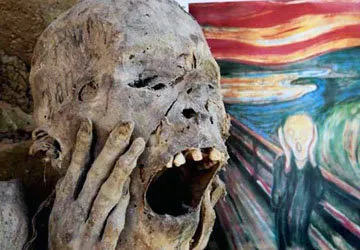
Chachapoyas mummy alongside Edvard Munch's

Original Tomb of Peruvian Mummy which Inspired Munch's Scream

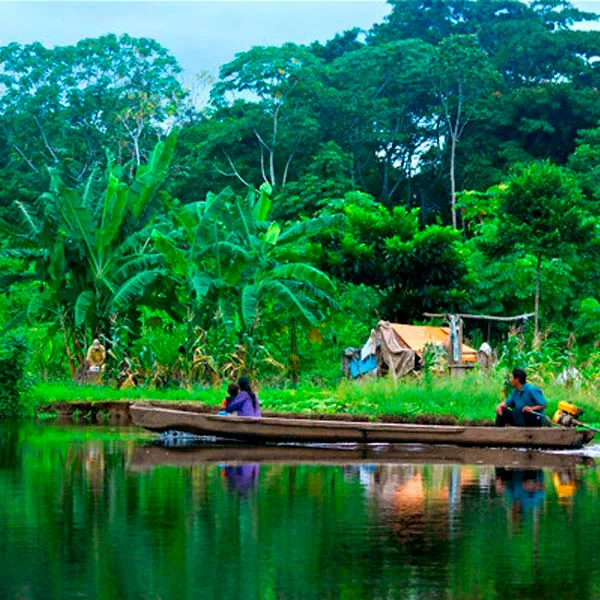
It may seem odd to see Edvard Munch's name in the news alongside archeological findings, but the recent rediscovery of a tomb in the Peruvian amazon has caused just that: the exact site where the mummy which inspired Munch's "Scream"- one of the most reproduced paintings in the world- was discovered in the Peruvian Amazon was located last week.

Chachapoyas mummy alongside Edvard Munch's
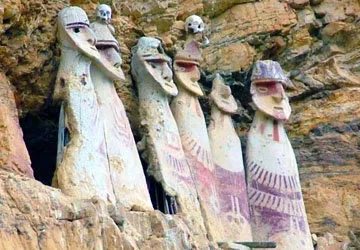
Sarcophagi from the Chachapoyas Culture in Peru
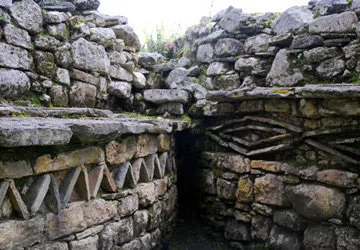
Ruins of Kuelap Fortress in Chachapoyas, Peru

It may seem odd to see Edvard Munch's name in the news alongside archeological findings, but the recent rediscovery of a tomb in the Peruvian amazon has caused just that: the exact site where the mummy which inspired Munch's "Scream"- one of the most reproduced paintings in the world- was discovered in the Peruvian Amazon was located last week.

The Norwegian painter's most iconic work, The Scream, is renowned worldwide for the psychological turmoil it depicts. Several art historians have attested that the painting is based on the mummy of a Chachapoyas warrior which was discovered 130 years ago near the Utcubamba River and taken to Paris to be displayed in an exhibition at the Ethnographic Exchange Museum.

Art historian Wayne V. Anderson's hypothesis that the mummy first inspired Paul Gauguin was confirmed by investigator Stefan Ziemendorff upon finding a book of sketches of the mummy. A decade later, art historian Robert Rosenblum established that Munch's famous painting was also based on the mummy.

While walking with friends one evening, Munch had a vision in which the faces of his companions paled and a "huge endless scream course through nature" (as Munch himself described in a letter about the painting). Wishing to paint his vision, he used the Peruvian mummy as a model, probably inspired by Gauguin.

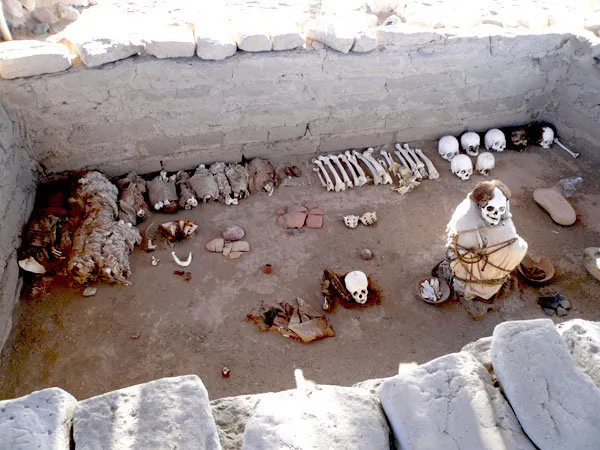
Now, Ziemendorff has announced that the site where the warrior's mummy, as well as three others which were not taken to Paris, has been located thanks to details included in the chronicle written by Pierre Vidal-Senèze, who discovered and sacked the tomb in search of objects to sell in Europe.

Chachapoyas, located in the Amazonas region of Peru, is known mainly for the ruins of Kuelap Fortress (built by the culture of the same name), warriors' mummies, and its carved sarcophogi.
News, routes, and expert tips

Explore the latest from our Cusco travel blog. Get practical guides, Machu Picchu updates, and fresh trekking and culture recommendations. Everything you need to travel Cusco safely and stylishly in 2026. Your next Andean story starts here!

Carla Colon Sistine Chapel of the Americas

After four years and US$1.5 million, the restoration of the Church of San Pedro in the remote Andean village of Andahuaylillas, a priceless colonial art treasure showcasing the "Andean Baroque", has been completed. With the backing of the World Monuments Fund and regional and national authorities, restorers tackled the ill effects of earthquakes, shoddy restorations, centuries of grime and even bat droppings.

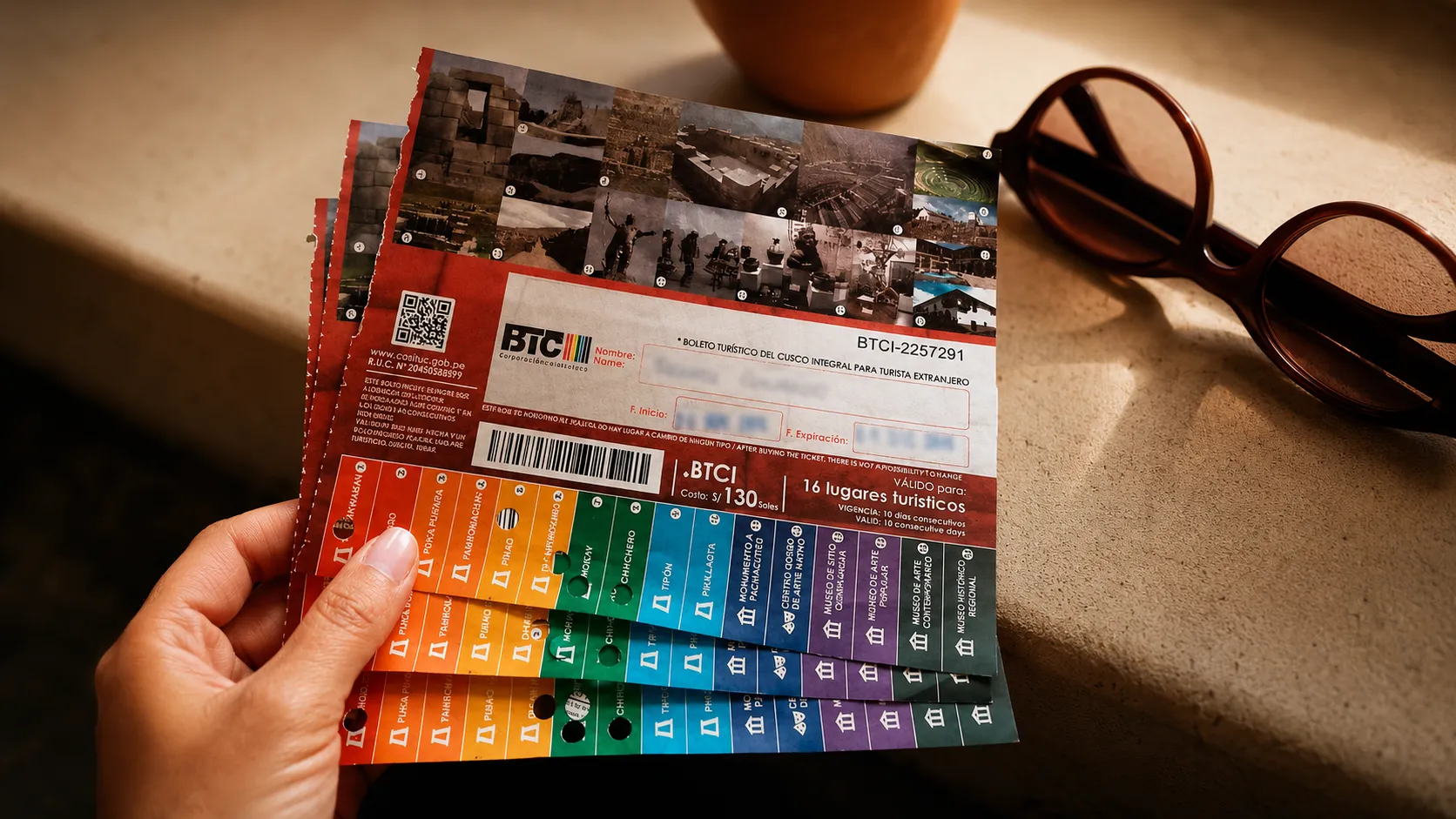
Inca World Announce Electronic Tourist Ticket in Cusco

The Committee of Integrated Tourist Services (Cosituc) is working on modernizing the sale and purchase of the tourist Ticket

Carla Colon Experience Colonial Lima at the Invita Peru Food Fair this Month

This fourth annual Invita Perú gastronomic festival will take place from July 25th through August 3rd, with S/10 entry tickets already available through Teleticket. This year's theme is the colonial epoch, which means that you will be able to enjoy the most traditional foods, sweets, and drinks of Lima. There'll also be free classes and  outdoor concerts.

Explore the best of our land

Explore the breathtaking diversity of the Central Andes. From ancient archaeological wonders and surreal high-altitude landscapes to world-class gastronomy and Amazonian adventures, our updated 2026 guides showcase the very best of this premier global destination.