Plans for Cable Car Access to Choquequirao Ruins

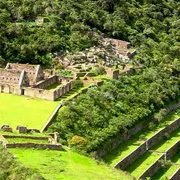
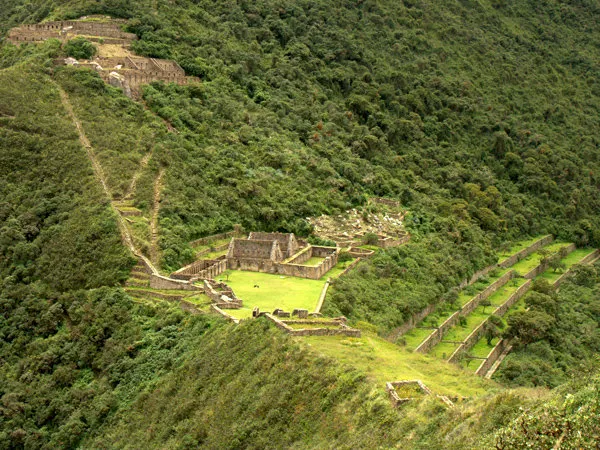
The spectacular but little-known ruins of Choquequirao, larger than Machu Picchu despite being less than halfway unearthed, has up to know only been accessible by treks through the cold Andean mountains, past remote villages, and into the tropical Apurímac river valley- but all of this is about to change. If all goes according to plan, travelers will be able to arrive at the site after only a 30 minute cable car ride over the Apurímac Canyon.
Published on 08-08-2012, por Inca World
The lost city of Choquequirao (Aymara for "Cradle of Gold") was hidden for centuries in the high-altitude jungle on a mountainside overlooking the tropical Apurímac River Valley, saved thanks to its remoteness. It was constructed in the late 1400s by successors of Pachacutec, the supreme ruler of the Kingdom of Cusco and the storied Inca Empire. In the turbulent times of the Spanish Conquest in the following century, Choquequirao remained an Inca stronghold. It is thought to have been built by Topa Inca and for the same religious, agricultural, and retreat purposes as Machu Picchu, but other than this site is still shrouded in mystery and is still only 30% unearthed.
Despite tales of the grandeur of the ruins of Choquequirao- exceeding sister site Machu Picchu in size despite being only partly unearthed- the site has not yet become a required stop for visitors to Peru. This is because the site has remained relatively inaccessible. Those interested in visiting Choquequirao Archeological Complex would arrive by trekking through the Andes, even crossing the Apurímac in unsteady baskets hanging from cables. While this method of reaching the ruins is certainly worth it for those with the time in their itinerary to first acclimatize and then undertake it, for Choquequirao to become a more well-known site some basic investment was called for. Thus, the regional government of Apurímac sign in June 2012 a contract with the Ecotourism Consortium of Choquequirao for the creation of a cable-car route which, when completed, will span Apurímac canyon. For now, this development is still in the planning stage, but hopes are that the site, and the priceless insight into pre-Columbian cultures that it provides, will become readily accessible with only a 30 minute journey and alleviate some of the pressure on Machu Picchu.
For Traditionalists: The Trek to Choquequirao
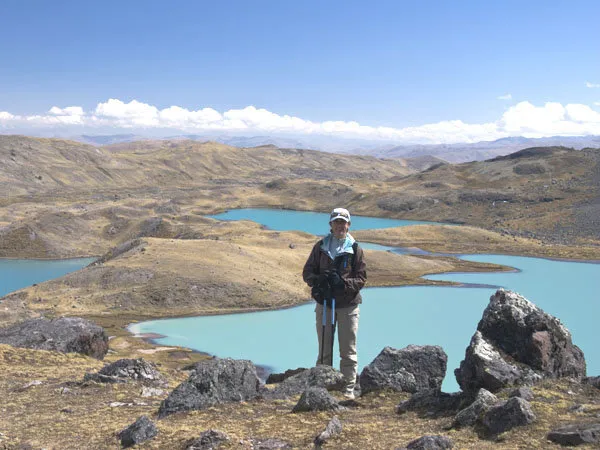
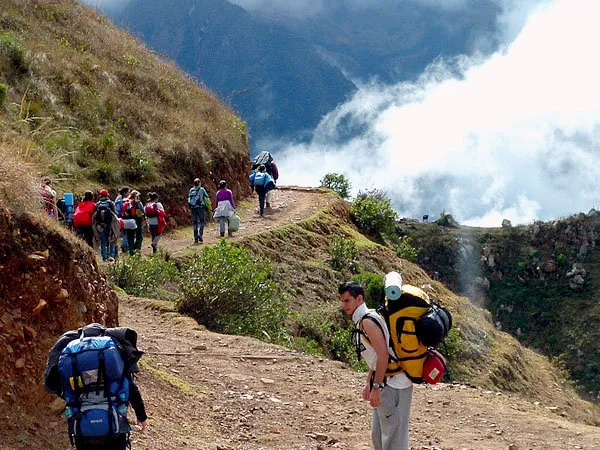
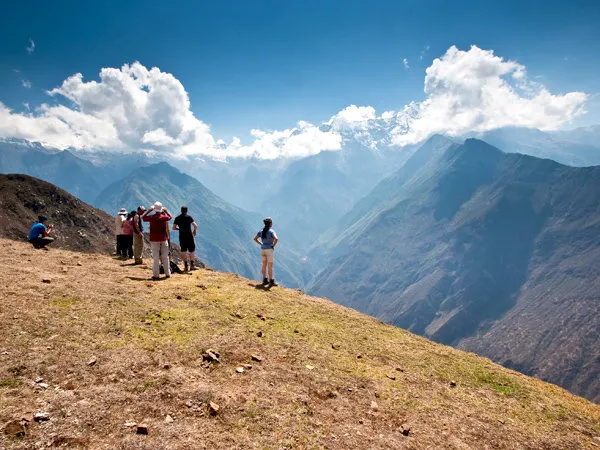
The Choquequirao Trail is a challenging but revelatory trek through a stunning landscape. Depending on your starting point, it will get you to the remote site in 7 to 9 days of trekking over tough but stunning landscape from small traditional Andean villages surrounded by glacial peaks through cloud forests and down into the tropical jungle. Along the way, you walk twisting paths through lush fores.
The spectacular but little-known ruins of Choquequirao, larger than Machu Picchu despite being less than halfway unearthed, has up to know only been accessible by treks through the cold Andean mountains, past remote villages, and into the tropical Apurímac river valley- but all of this is about to change. If all goes according to plan, travelers will be able to arrive at the site after only a 30 minute cable car ride over the Apurímac Canyon.
Published on 08-08-2012, por Inca World
The lost city of Choquequirao (Aymara for "Cradle of Gold") was hidden for centuries in the high-altitude jungle on a mountainside overlooking the tropical Apurímac River Valley, saved thanks to its remoteness. It was constructed in the late 1400s by successors of Pachacutec, the supreme ruler of the Kingdom of Cusco and the storied Inca Empire. In the turbulent times of the Spanish Conquest in the following century, Choquequirao remained an Inca stronghold. It is thought to have been built by Topa Inca and for the same religious, agricultural, and retreat purposes as Machu Picchu, but other than this site is still shrouded in mystery and is still only 30% unearthed.
Despite tales of the grandeur of the ruins of Choquequirao- exceeding sister site Machu Picchu in size despite being only partly unearthed- the site has not yet become a required stop for visitors to Peru. This is because the site has remained relatively inaccessible. Those interested in visiting Choquequirao Archeological Complex would arrive by trekking through the Andes, even crossing the Apurímac in unsteady baskets hanging from cables. While this method of reaching the ruins is certainly worth it for those with the time in their itinerary to first acclimatize and then undertake it, for Choquequirao to become a more well-known site some basic investment was called for. Thus, the regional government of Apurímac sign in June 2012 a contract with the Ecotourism Consortium of Choquequirao for the creation of a cable-car route which, when completed, will span Apurímac canyon. For now, this development is still in the planning stage, but hopes are that the site, and the priceless insight into pre-Columbian cultures that it provides, will become readily accessible with only a 30 minute journey and alleviate some of the pressure on Machu Picchu.
For Traditionalists: The Trek to Choquequirao
The Choquequirao Trail is a challenging but revelatory trek through a stunning landscape. Depending on your starting point, it will get you to the remote site in 7 to 9 days of trekking over tough but stunning landscape from small traditional Andean villages surrounded by glacial peaks through cloud forests and down into the tropical jungle. Along the way, you walk twisting paths through lush fores.
News, routes, and expert tips
Explore the latest from our Cusco travel blog. Get practical guides, Machu Picchu updates, and fresh trekking and culture recommendations. Everything you need to travel Cusco safely and stylishly in 2026. Your next Andean story starts here!
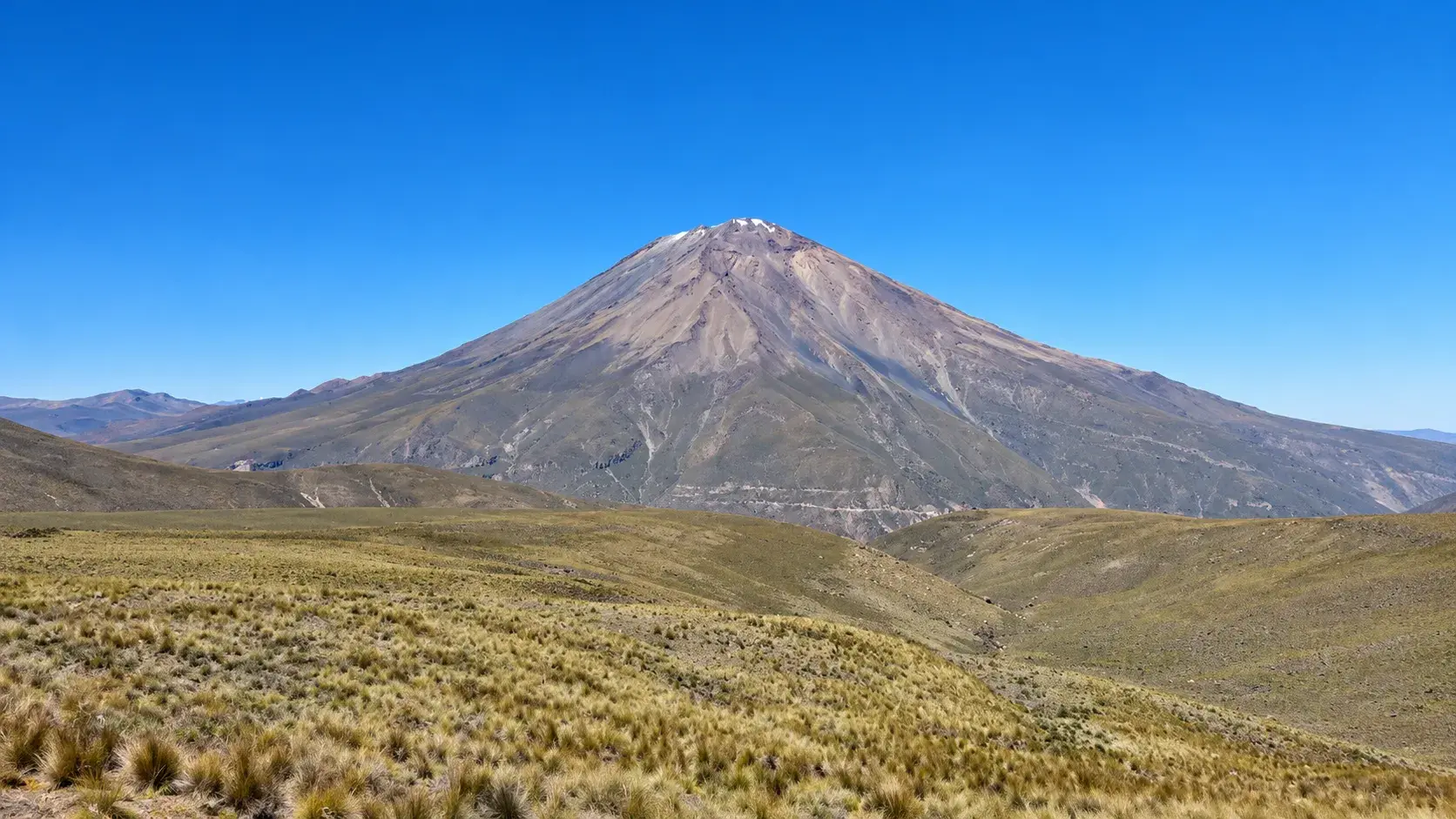
Arequipa’s white color isn’t paint: it’s volcanic stone. Discover the history, architecture, and Andean legacy of a heritage gem standing majestically at the foot of the Misti Volcano, serving as a key starting point in southern Peru.
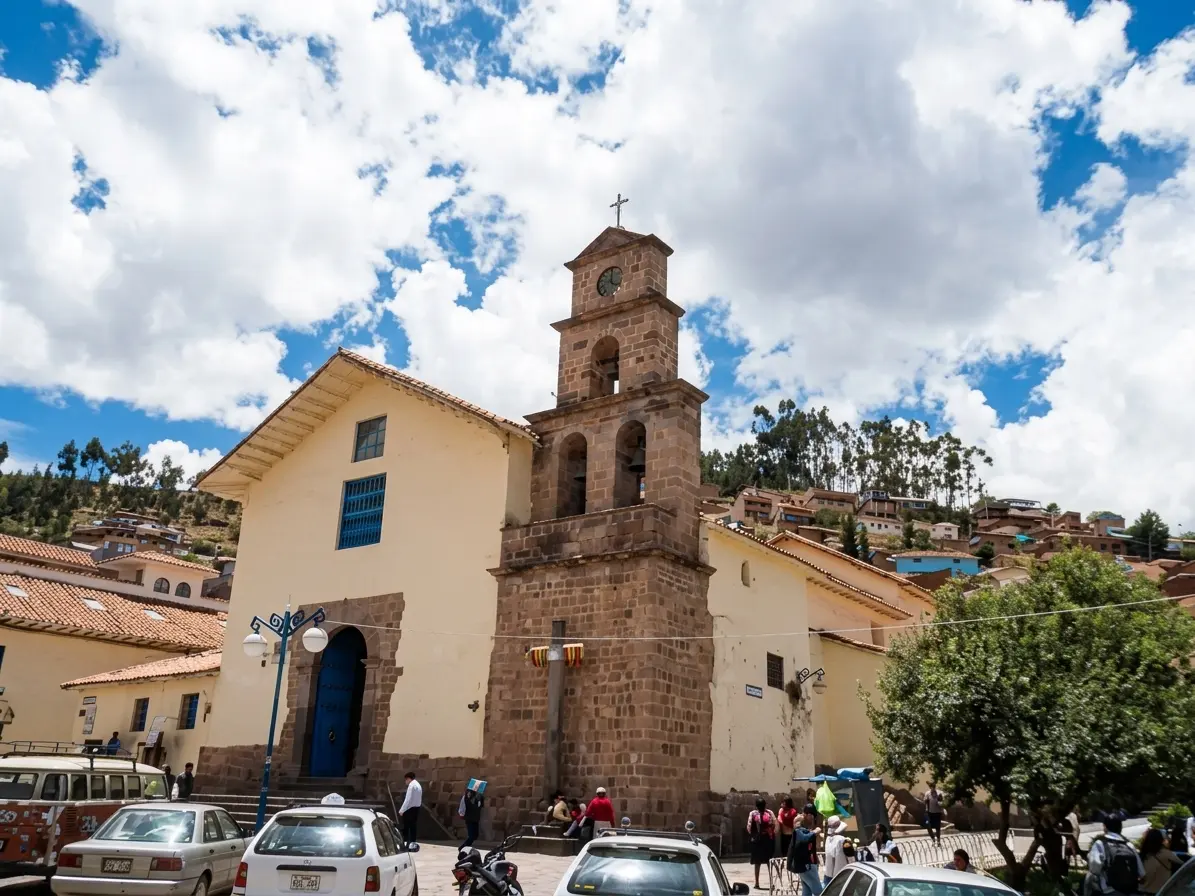
Explore the iconic San Blas neighborhood in Cusco, known as the "Balcony of Cusco" and home to Peru's finest artisans. Discover its rich history from Inca times, how to walk from Plaza de Armas past the 12-Angled Stone, its famous art galleries (Mendívil and Mérida families), panoramic viewpoint, San Blas Church, and Saturday craft market. Plan your walking tour with Inca World Travel.
Planning a trip to Ica? Discover the top tourist attractions in Ica, Peru: the iconic Huacachina Oasis, Paracas National Reserve, enigmatic Nazca Lines, the Pisco Route, and Canyon of the Lost. Find key details on location, how to get there from Lima or Cusco, travel times, weather, and top regional museums in this comprehensive travel guide by Inca World Travel.
Are you planning to visit
Machu Picchu in 2026?
We would like to inform our travelers that availability for Circuit 1 and 2 for the months of November, December and January is at 85% of capacity. We recommend booking at least 3 months in advance.
New Circuits and Routes
The Ministry of Culture has consolidated the three main tours. As of 2026, Tour 2 (The Royal Route) remains the only one that allows visitors to take the classic photo from the Guardian’s House. We have adapted all our packages to ensure this access.
Digital Check-In and Biometric Verification
Say goodbye to long check-in lines! Starting this season, entry is faster thanks to the new digital check-in system. Our packages include full management of your personalized tickets to prevent errors on the state platform.
| Circuit | Ideal for... | Clasic photo | Difficulty |
|---|---|---|---|
| Circuit 1 (Panoramic) | High views and photo posts | Yes | Low |
| Circuit 2 (Andean) | Complete circuit through the ruins | Yes | Medium |
| Circuit 3 (Reality) | Persons or reduced movement | No | Very low |
Ask about our Machu Picchu packages
Explore the best of our land
Explore the breathtaking diversity of the Central Andes. From ancient archaeological wonders and surreal high-altitude landscapes to world-class gastronomy and Amazonian adventures, our updated 2026 guides showcase the very best of this premier global destination.