Tour of Caral Ruins near Lima, Peru

The Most Ancient City of the Americas, Caral on the Peruvian Coast

Tour of Caral Ruins near Lima, Peru

In the Peruvian desert, overlooking the Pacific Ocean, you'll find the most ancient city in the Americas, the remain from a surprisingly advanced civilization.

In the Peruvian desert, overlooking the Pacific Ocean, you'll find the most ancient city in the Americas. The site, Caral-Supe, was built by the Norte Chico civilization around 4,600 years ago and was a flourishing metropolis at around the same time that the pyramids of Egypt were being constructed. What's left comprises an urban complex with plazas and residences and a complex with temples and an amphitheater.

Since Paul Kosok discovered the site about three hours north of modern-day Lima in 1948, the site has continued surprising the scientific community, as it proves that the Norte Chico civilization was quite advanced in medicine, engineering, climatology, and agronomy.

As archeologist Ruth Shady shared, Caral was laid out to take advantage of the wind, channeling it through underground ducts to achieve high temperatures through bonfires in what is known as the Venturi Effect. This effect was discovered in 1740, but the Norte Chico knew of it more almost 5,000 years ago. The site also includes laboratories where climactic events were forecasted and agricultural schedules were drawn up.

Caral seems to have been used as a model for the urban design of Andean civilizations in the four millennia following its construction, and holds the key to understanding the development of the continent's first cities.

Among the artifacts found at Caral is a quipu, a record-keeping instrument involving knots tied in ropes. Although it was known that the Incas used quipus, researchers were unaware that the system was so ancient until the find at Caral. Other relics unearthed at the site include plenty of flutes fashioned from condor and pelican bones and cornets made of deer and llama bones. Bags made from woven reeds and used to carry the stones used for constructing the temples provided scientists with the perfect material for accurate carbon dating, allowing them to realize how old the site actually is.

If you're planning to travel to Lima, you can visit the Caral archeological site to learn about the Norte Chico, the civilization they built on the Peruvian coast, and the elements of their culture preserved through to the Inca civilization which arose long after.

You can reach the site by taking a bus from Lima to Huacho, Supe, or Baranca (approx. US$5) and then taking a taxi to the ruins (approx. US$10). Admission is US$4 for adults, and you can join a group tour of the site for US$7. If you take a taxi from Lima, it will cost US$100-150. The easiest option by far is to book a group tour of Caral that begins and ends in Lima, assuring comfortable transport, meals, and an English-speaking guide, while avoiding the need to take buses or to arrange private transport for just one or two people. Make sure to visit our tours in Lima section to learn about other exciting excursions one can do in Peru's capital city.
In the Peruvian desert, overlooking the Pacific Ocean, you'll find the most ancient city in the Americas, the remain from a surprisingly advanced civilization.

In the Peruvian desert, overlooking the Pacific Ocean, you'll find the most ancient city in the Americas. The site, Caral-Supe, was built by the Norte Chico civilization around 4,600 years ago and was a flourishing metropolis at around the same time that the pyramids of Egypt were being constructed. What's left comprises an urban complex with plazas and residences and a complex with temples and an amphitheater.

Since Paul Kosok discovered the site about three hours north of modern-day Lima in 1948, the site has continued surprising the scientific community, as it proves that the Norte Chico civilization was quite advanced in medicine, engineering, climatology, and agronomy.

As archeologist Ruth Shady shared, Caral was laid out to take advantage of the wind, channeling it through underground ducts to achieve high temperatures through bonfires in what is known as the Venturi Effect. This effect was discovered in 1740, but the Norte Chico knew of it more almost 5,000 years ago. The site also includes laboratories where climactic events were forecasted and agricultural schedules were drawn up.

Caral seems to have been used as a model for the urban design of Andean civilizations in the four millennia following its construction, and holds the key to understanding the development of the continent's first cities.

Among the artifacts found at Caral is a quipu, a record-keeping instrument involving knots tied in ropes. Although it was known that the Incas used quipus, researchers were unaware that the system was so ancient until the find at Caral. Other relics unearthed at the site include plenty of flutes fashioned from condor and pelican bones and cornets made of deer and llama bones. Bags made from woven reeds and used to carry the stones used for constructing the temples provided scientists with the perfect material for accurate carbon dating, allowing them to realize how old the site actually is.

If you're planning to travel to Lima, you can visit the Caral archeological site to learn about the Norte Chico, the civilization they built on the Peruvian coast, and the elements of their culture preserved through to the Inca civilization which arose long after.

You can reach the site by taking a bus from Lima to Huacho, Supe, or Baranca (approx. US$5) and then taking a taxi to the ruins (approx. US$10). Admission is US$4 for adults, and you can join a group tour of the site for US$7. If you take a taxi from Lima, it will cost US$100-150. The easiest option by far is to book a group tour of Caral that begins and ends in Lima, assuring comfortable transport, meals, and an English-speaking guide, while avoiding the need to take buses or to arrange private transport for just one or two people. Make sure to visit our tours in Lima section to learn about other exciting excursions one can do in Peru's capital city.
News, routes, and expert tips

Explore the latest from our Cusco travel blog. Get practical guides, Machu Picchu updates, and fresh trekking and culture recommendations. Everything you need to travel Cusco safely and stylishly in 2026. Your next Andean story starts here!

Inca World Traveñ 48 km on foot: How to reach the Señor de Huanca in Cusco

Every September 14, thousands of people walk 48 kilometers from the city of Cusco to the sanctuary of the Señor de Huanca, in the district of San Salvador, province of Calca, at 3,100 m.a.s.l. It is neither a tourist trekking trip nor an organized tour: it is a genuine pilgrimage that sets off at night from San Jerónimo and arrives at dawn on the main day. Here we explain the route, what it physical demands, and why this tradition continues to draw devotees from all over Peru and neighboring countries.

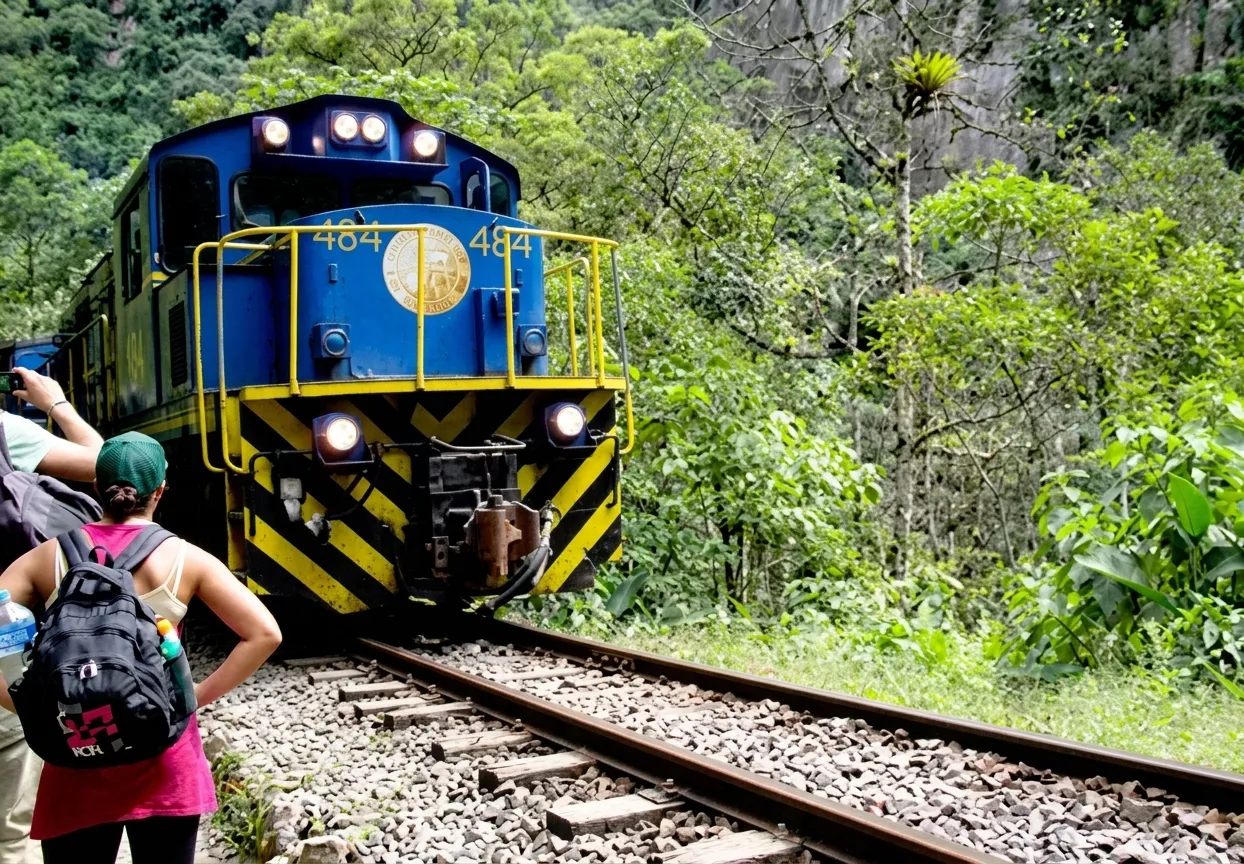
Carla Colon How to Get to Machu Picchu: Complete Guide by Train, Bus, or Hiking

Planning your trip to Peru? Discover the best ways to reach Machu Picchu from Cusco. Compare options by train, bus, budget routes, and legendary trekking trails like the Inca Trail and Salkantay.

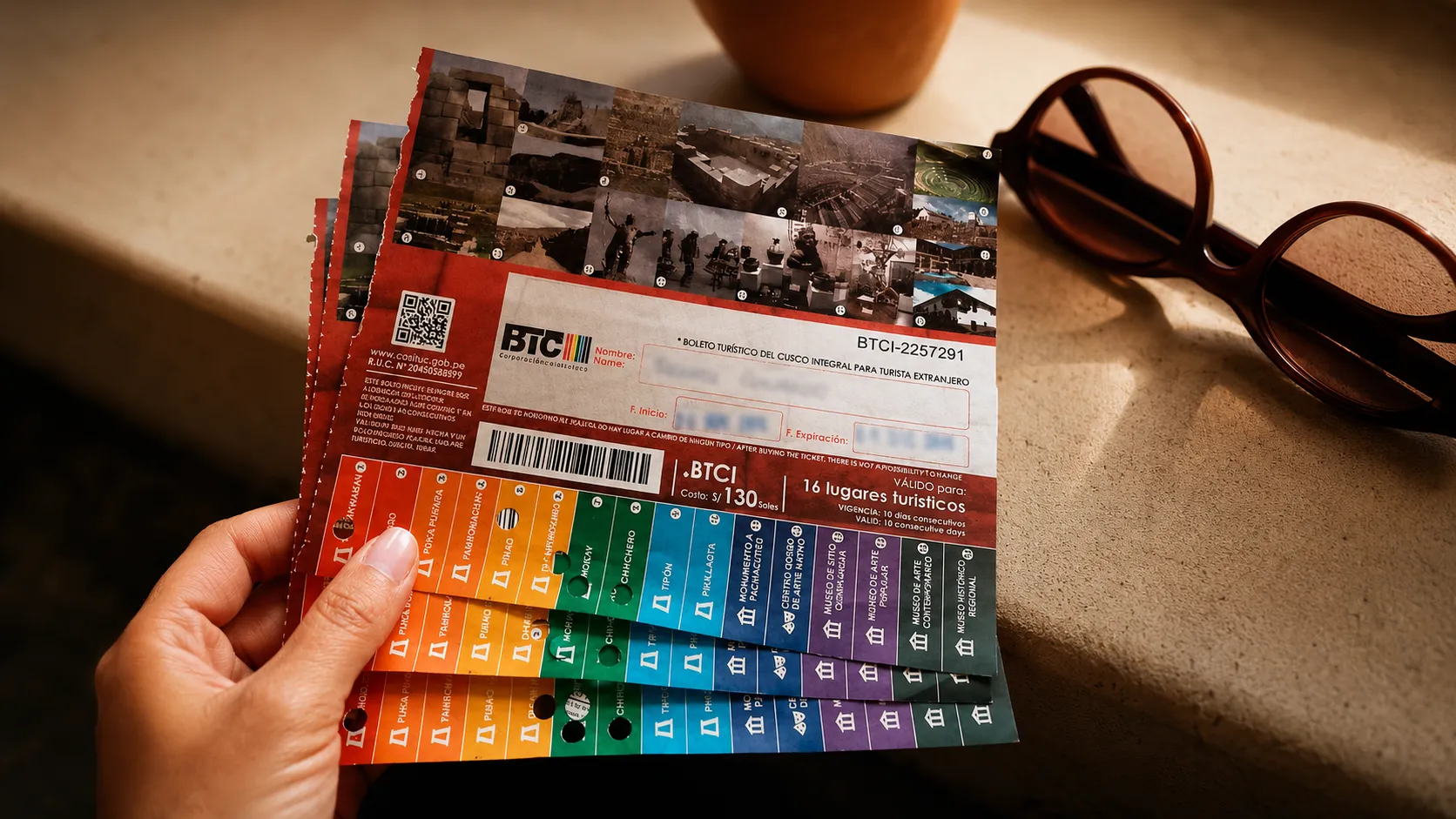
Inca World Travel Your ticket to Machu Picchu cannot be lent: What you need to know before the holiday

With the national holiday on August 6 (Battle of Junín) right around the corner, many travelers are organizing last-minute visits to Machu Picchu. Before buying, there is a rule that causes more trouble than it seems: the ticket is personal, unique, and non-transferable. Learn how this rule works at the checkpoint, why you cannot give your ticket away, and how to avoid inconveniences to enjoy your trip to the sanctuary with complete peace of mind.

Are you planning to visit
Machu Picchu in 2026?

We would like to inform our travelers that availability for Circuit 1 and 2 for the months of September, October and November is at 85% of capacity. We recommend booking at least 3 months in advance.

New Circuits and Routes

The Ministry of Culture has consolidated the three main tours. As of 2026, Tour 2 (The Royal Route) remains the only one that allows visitors to take the classic photo from the Guardian’s House. We have adapted all our packages to ensure this access.

Digital Check-In and Biometric Verification

Say goodbye to long check-in lines! Starting this season, entry is faster thanks to the new digital check-in system. Our packages include full management of your personalized tickets to prevent errors on the state platform.

Circuit Ideal for... Clasic photo Difficulty
Circuit 1 (Panoramic) High views and photo posts Yes Low
Circuit 2 (Andean) Complete circuit through the ruins Yes Medium
Circuit 3 (Reality) Persons or reduced movement No Very low

Ask about our Machu Picchu packages

Explore the best of our land

Explore the breathtaking diversity of the Central Andes. From ancient archaeological wonders and surreal high-altitude landscapes to world-class gastronomy and Amazonian adventures, our updated 2026 guides showcase the very best of this premier global destination.