Cantayoc Aqueducts located in Nazca, Peru

The Surprising Cantayoc Aqueducts of Nazca

Nazca's arid climate has preserved a range of intriguing artifacts, including textiles and ceramics with intricate, mythical designs & millennia-old mummies. Among these, one finds the subterranean Cantayoc Aqueducts, which, more than a thousand years after their construction, are still providing water to transform parched ground into a fertile valley. A

Cantayoc Aqueducts located in Nazca, Peru

Many travelers who find themselves short on time skip over Nazca during their trip, with at the most a short stop to fly over the iconic Nazca Lines. That's a shame, because the coastal desert of Peru is part of the country's stunning variety of landscapes, and was home to two impressive and mysterious pre-Columbian civilizations: the Paracas and the Nazca. It has much more to offer than just lines.

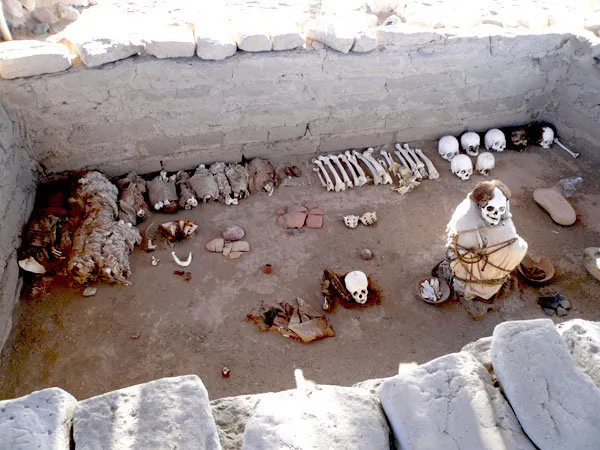
Sunny Nazca's arid climate has preserved a range of intriguing artifacts, including textiles and ceramics with intricate, mythical designs and millennia-old mummies which have retained their hair and skin.

Among these unique artifacts, one finds the subterranean Cantayoc Aqueducts. Built in the third through sixth century AD, they are still in use today. Because of the supreme importance of water for survival in such a climate, the Paracas and Nazca wasted no effort in securing this recourse, and after more than a thousand years, they are still providing water to transform parched ground into a fertile valley. A visit will suffice to convince you that they are unlike any other aqueducts you may have seen.

The channels, or puquios, are lined with river rocks stacked without any mortar, so that subsurface water could pass through the walls and then into underground aquifers, irrigation canals, and reservoirs. They connect to the surface through large manholes, through which one can enter them by descending along a spiral path.

During your visit to the aqueducts, you'll be able to walk through the plantations which rely on them, where giant Andean corn, cotton, and potatoes are grown.

The aqueducts may not be the only time these civilizations altered the landscape in order to supply water- among the competing theories surrounding the Nazca Lines is one that hypothesizes that they point to underground water sources…
News, routes, and expert tips

Explore the latest from our Cusco travel blog. Get practical guides, Machu Picchu updates, and fresh trekking and culture recommendations. Everything you need to travel Cusco safely and stylishly in 2026. Your next Andean story starts here!

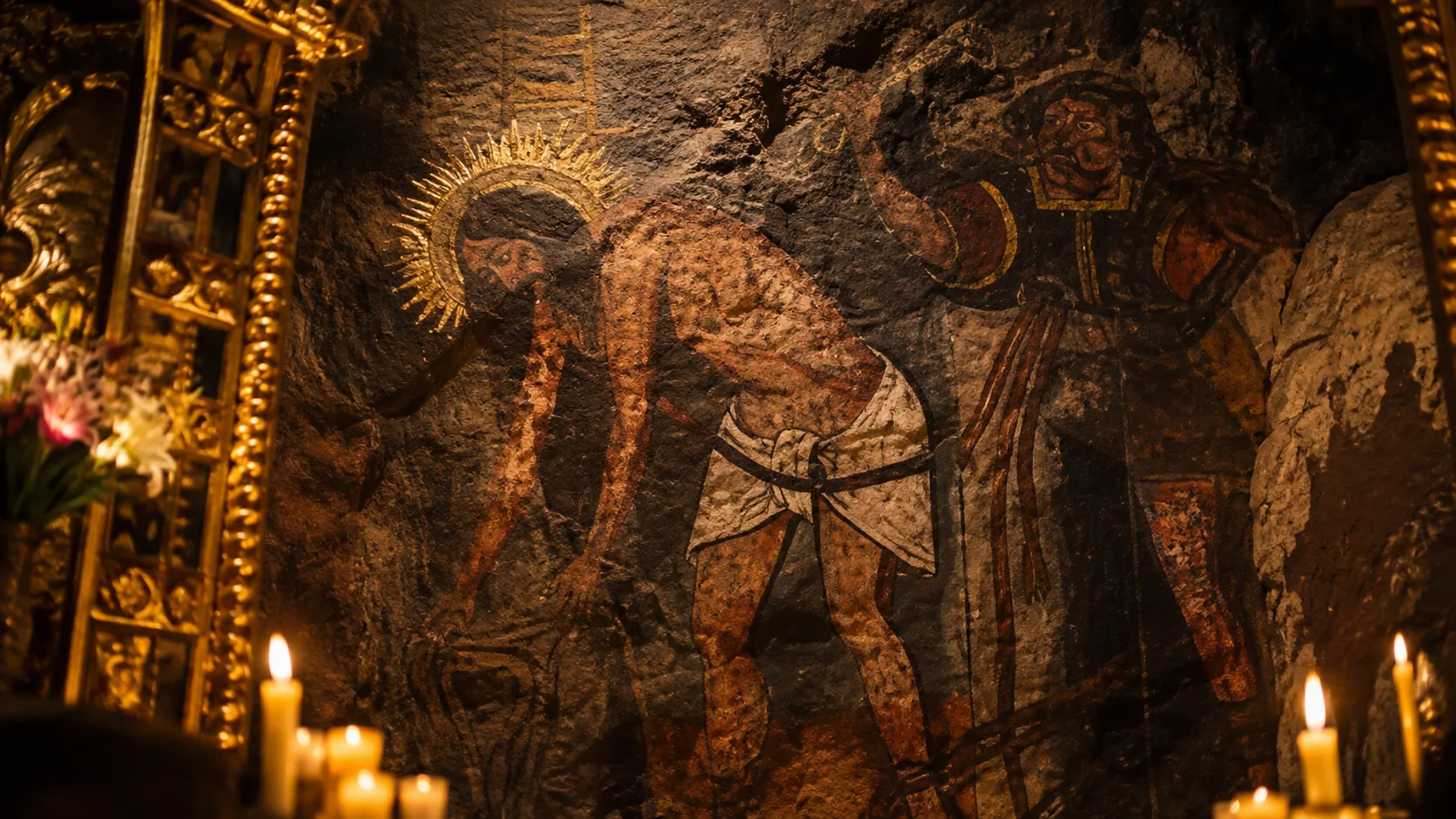
Carla Colon Sistine Chapel of the Americas

After four years and US$1.5 million, the restoration of the Church of San Pedro in the remote Andean village of Andahuaylillas, a priceless colonial art treasure showcasing the "Andean Baroque", has been completed. With the backing of the World Monuments Fund and regional and national authorities, restorers tackled the ill effects of earthquakes, shoddy restorations, centuries of grime and even bat droppings.

Inca World Announce Electronic Tourist Ticket in Cusco

The Committee of Integrated Tourist Services (Cosituc) is working on modernizing the sale and purchase of the tourist Ticket

Carla Colon Experience Colonial Lima at the Invita Peru Food Fair this Month

This fourth annual Invita Perú gastronomic festival will take place from July 25th through August 3rd, with S/10 entry tickets already available through Teleticket. This year's theme is the colonial epoch, which means that you will be able to enjoy the most traditional foods, sweets, and drinks of Lima. There'll also be free classes and  outdoor concerts.

Explore the best of our land

Explore the breathtaking diversity of the Central Andes. From ancient archaeological wonders and surreal high-altitude landscapes to world-class gastronomy and Amazonian adventures, our updated 2026 guides showcase the very best of this premier global destination.