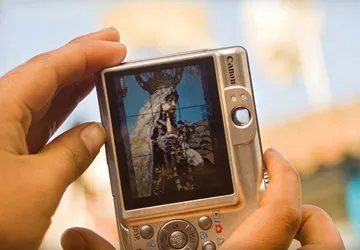
The humble town of Paucartambo is characterized by its adobe homes with distinctive blue balconies, the colonial Carlos III Bridge which provides access to the town, and the Virgin of Paucartambo Festival. It honors the town's patron, affectionately referred to as the Mamacha Carmen, whose 16th century statue was actually crowned by Pope John Paul II in recognition of the town's profound faith.
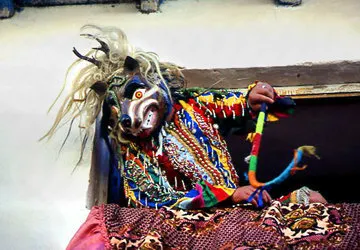
Each familial house is charged with representing a specific costume and dance, a responsibility they take so seriously that those living abroad often return to fulfill it. Locals practice for months, up to all year, and sometimes undergo hazing.
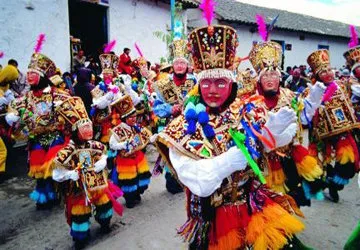
Festivities begin on July 15th with as musical bands and choirs singing in Quechua accompany the traditionally costumed dancers escorting the 16th century Mamacha Carmen statue through the streets. In the "rainforest" created by hanging miniature dolls and furniture from a balcony in the main square, performers throw gifts from the jungle to the crowds (such as coffee, coca, and fruits). Bonfires are popular on this night, as are fireworks launched from long poles, representing the flames of hell. You'll see a variety of costumed characters (q'olqas, chunchus, maqtas) entertaining the crowds within a purgatory theme. Around 11pm, the Serenade to the Virgin will begin, lasting through to the morning.
July 16th, the Festival's central day, kicks off with a dawn mass and continues with a plethora of dancing characters, such as the popular Qapac Negros and the Qollas. The Grand Parade takes place at 3pm, with the demon Sajras dance stealing the show from the rooftops and balconies. As the Virgen passes, they yelp and recoil.
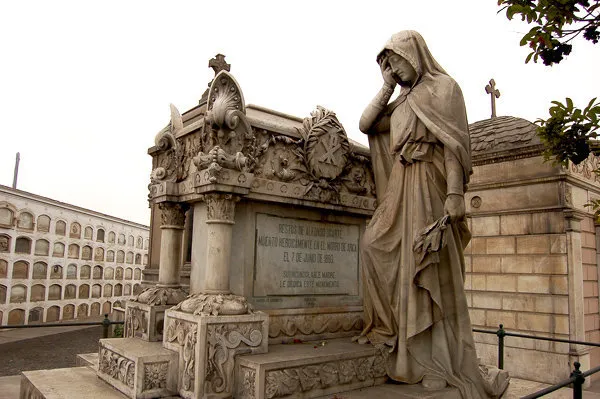
July 17th is the day of blessings and battles, as the groups make their way to the cemetery to visit fallen dancers and the prison. The second Parade crosses the bridge and heads to the Plaza to assist in a mock holy battle between the Qollas and Antis, Saqras and Waka Wakas. It all devolves into a great party known as the kacharpari.
Getting to Paucartambo
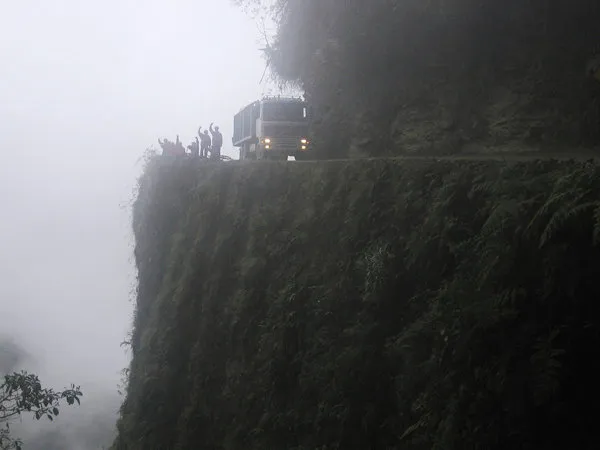
To get to Paucartambo from Cusco, visit the Expreso Virgen del Carmen bus company on Diagonal Angamos, which has daily basic buses leaving from the Coliseo Cerrado every day, which cost about US$4.00. Or, splash out on private transport. (You can expect prices for public and private transport to rise considerably around the festival dates, however.) By bus, the trip takes about 5 hours along a winding road.
Where to Stay
It's very crowded during the festival, and the sparse, sub-standard lodging available in town is generally booked months in advance, so many guests take part in homestays organized by a travel agency. Even more choose to camp, with equipment rented in Cusco, in the soccer field, the car park, and along the riverside. However, it's risky to leave your equipment behind during the day, as theft isn't unlikely. If you decide to visit Paucartambo during the festival without any prior planning, you are likely to find yourself out on the street during the night. The streets will be lively, so safety isn't an issue, but it can get very cold.
Watching the Tres Cruces Sunrise
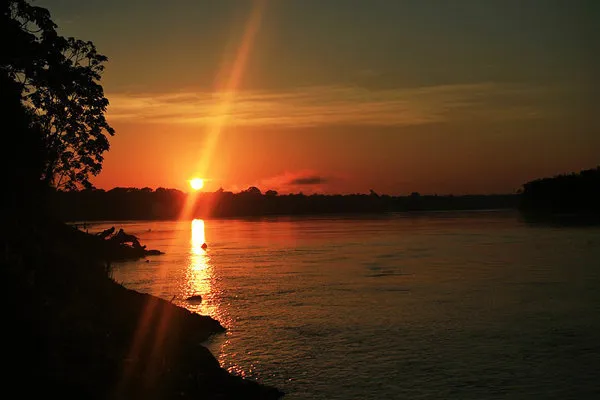
Watching the sunrise over Manú Jungle from Tres Cruces Lookout at Acjanaco Mountain Pass is obligatory for visitors to Paucartambo during the festival, because in May, June, and July the tonal gradations and optical illusions created by the clouds almost makes it seem that the sun rises dancing. To see it, though, you have to weather a very cold and windy bus ride, leaving at 3am to arrive in time. (The trip takes one to two hours.) Temperatures can fall into the low 20s while you wait for the sunrise, so make sure to wear warm, water-repellent layers.