
National Geographic Traveler Magazine recently compiled a list titles "10 Places to See Now, and you might be surprised to know that Chan Chan made the list. Not because the adobe city isn't impressive- it's the largest adobe city in the world, the largest pre-Columbian city of the Americas, and a UNESCO World Heritage Site. Rather, it's a surprise because this astounding site is so little-known to those outside of Peru.
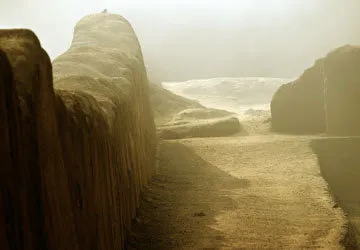
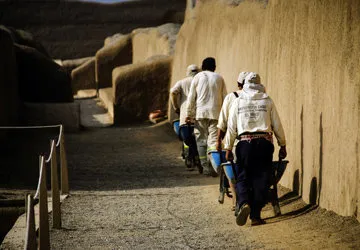
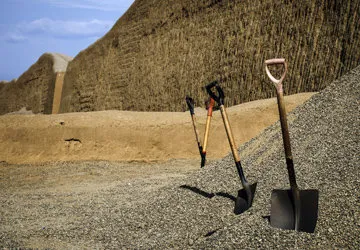
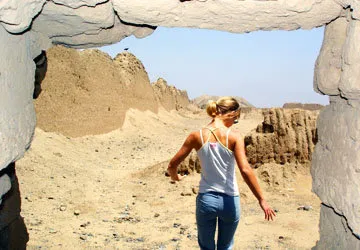
One of the reasons that National Geographic Traveler thinks that now is the time to visit Chan Chan is that the site finds itself under threat. The heavy rains, flooding, and strong winds brought on by climate changes and the El Niño Effect have been causing erosion damage to the ruins, so long protected by the arid desert climate. Many of Peru's astounding archeological sites have experienced damage, but as Chan Chan is constructed of adobe (mud-brick), it is especially vulnerable. The government has been investing in strengthening base walls and covering the most important parts of the complex, including:
Chan Chan is a firmly ensconced highlight on the Moche Trail, covering a 20km2 area located just 5km west of Trujillo, in the Peruvian region of La Libertad. It's a fertile section of the dry coastal plain.
The Chimú constructed Chan Chan out of the remnants of the Moche civilization in 850 AD. It served as the imperial capital of the Chimú Kingdom, reaching its apogee just before its conquest by the Inca Empire in 1470.
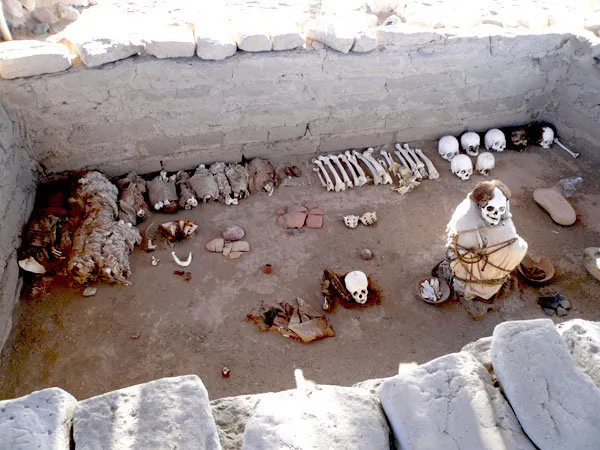
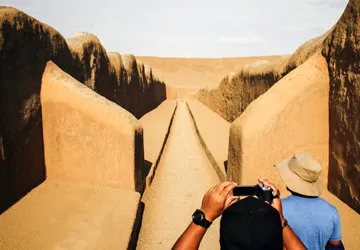
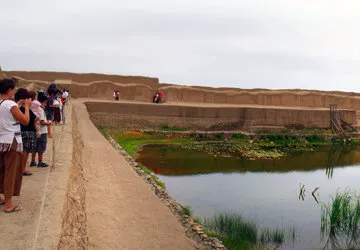
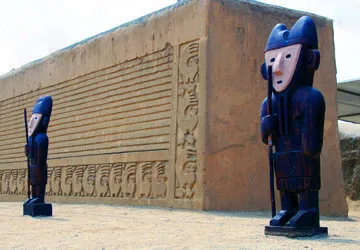
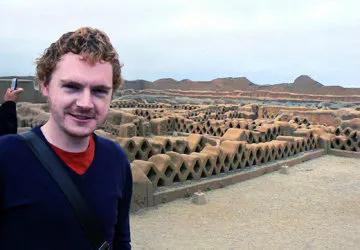
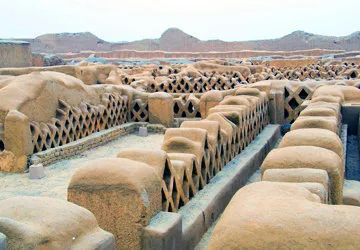
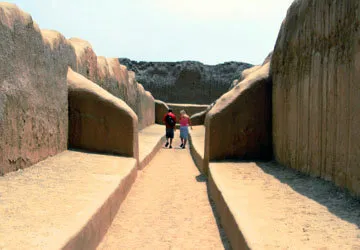
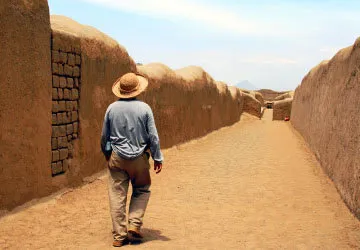
Chan Chan is triangular, surrounded by walls which once all reached 60-feet, although today parts are eroded down. Within these, the site consists of 9 rectangular walled citadels (sometimes referred to as palaces), wherein one finds temples, ceremonial rooms, burial chambers, living quarters, and reservoirs. Each included a royal burial mound filled with royal remains, dozens of sacrificed young women, and funerary offerings such as weavings, ceramics and jewelry.
Surrounding the 9 citadels were thirty-two semi monumental compounds and four production sectors for weaving, wood carving, metal-working, and other activities. Ea
Beyond these compounds, Chan Chan was surrounded by extensive agricultural areas. During the height of the Chimú Kingdom, 60,000 people lived in Chan Chan, supported by a sophisticated network of canals that irrigated the once-fertile surrounding farmland. These canals also formed the huachaques, freshwater pools which served as the city's water reserves.
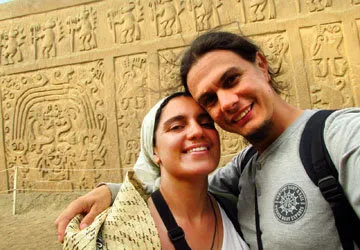
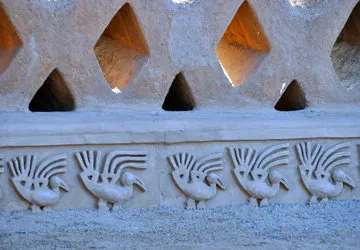
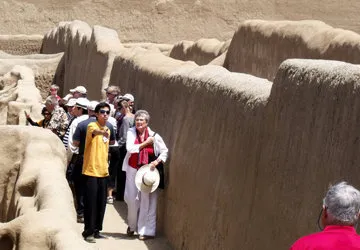
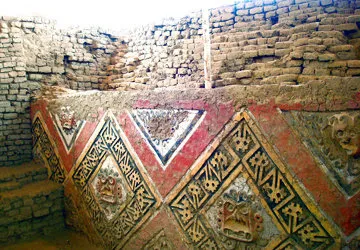
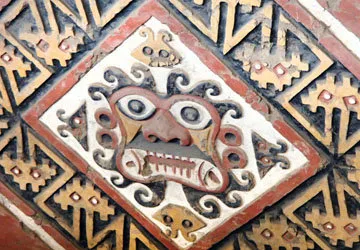
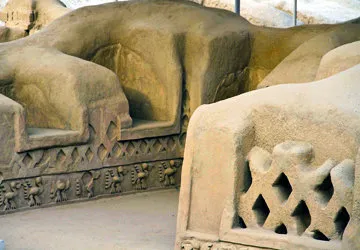
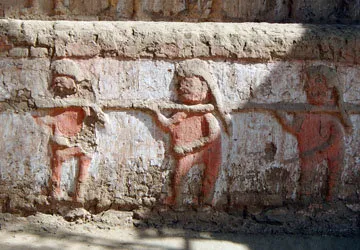
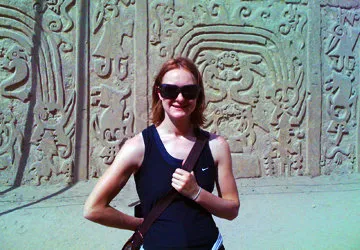
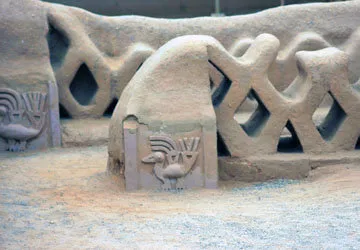
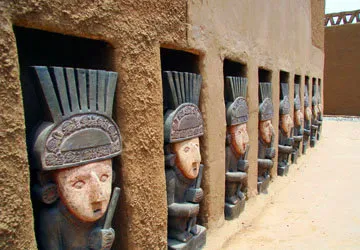
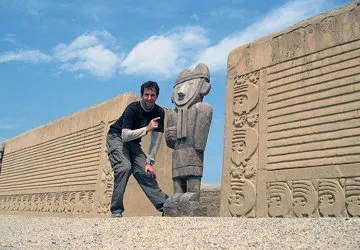
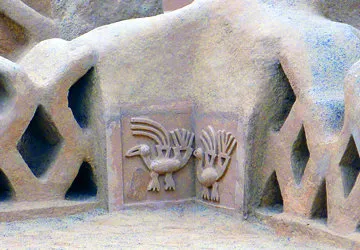
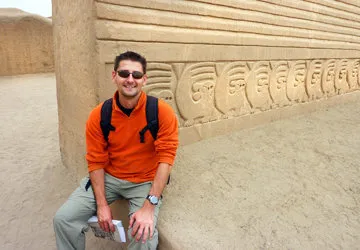
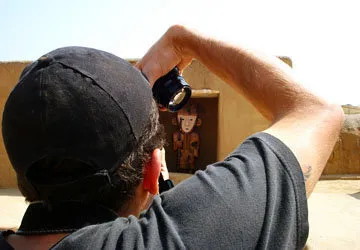
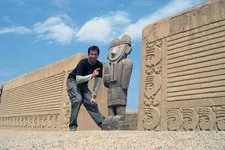
The many walls of the site create labyrinthine passages through the city and provide a decorative aspect thanks to intricately-carved friezes of seabirds, fish, waves, crabs, turtles, and fishing nets.
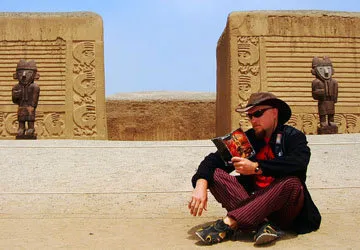
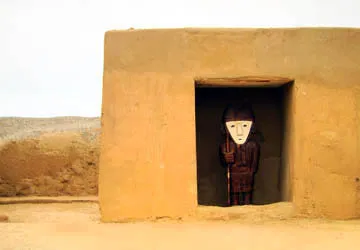
Archeologists are still working at the sprawling site, but there's a restored section known as the Tschudi Complex, also known as Nik-An Palace. This is the section of the site which can be visited. Tourist facilities include a ticket booth, souvenir shop, bathrooms, and a small site museum that plays a sound-and-light show every 30 minutes. There isn't much signage, so if a guided tour is in your budget it's definitely worth the money in this case, in order to get the most from your visit.
Shared vans known as combis leave the city of Trujillo every few minutes en route to Chan Chan, charging S/. 1.50 Peruvian soles per passenger. You can also take a taxi for approximately S/. 10.00 Peruvian soles.
If you don't have the luxury of exploring Peru's Moche Trail, you can still learn more about this fascinating culture by doing a museum tour in Lima- and don't forget that you can always contact the experienced specialists at Inca World for information and assistance about destinations, transport, and travel in Peru.